

By Michael Williams
I’ve lived in Inver Grove Heights long enough to see our city’s landscape shift—new roads, more rooftops, and the tension between preserving what we value and accommodating what’s coming. From quiet rural roads to bustling suburban streets, there’s one thing that has stood out: when residents of IGH raise their voices, things often change.
The Data Center Debate: Beyond Bricks and Wires
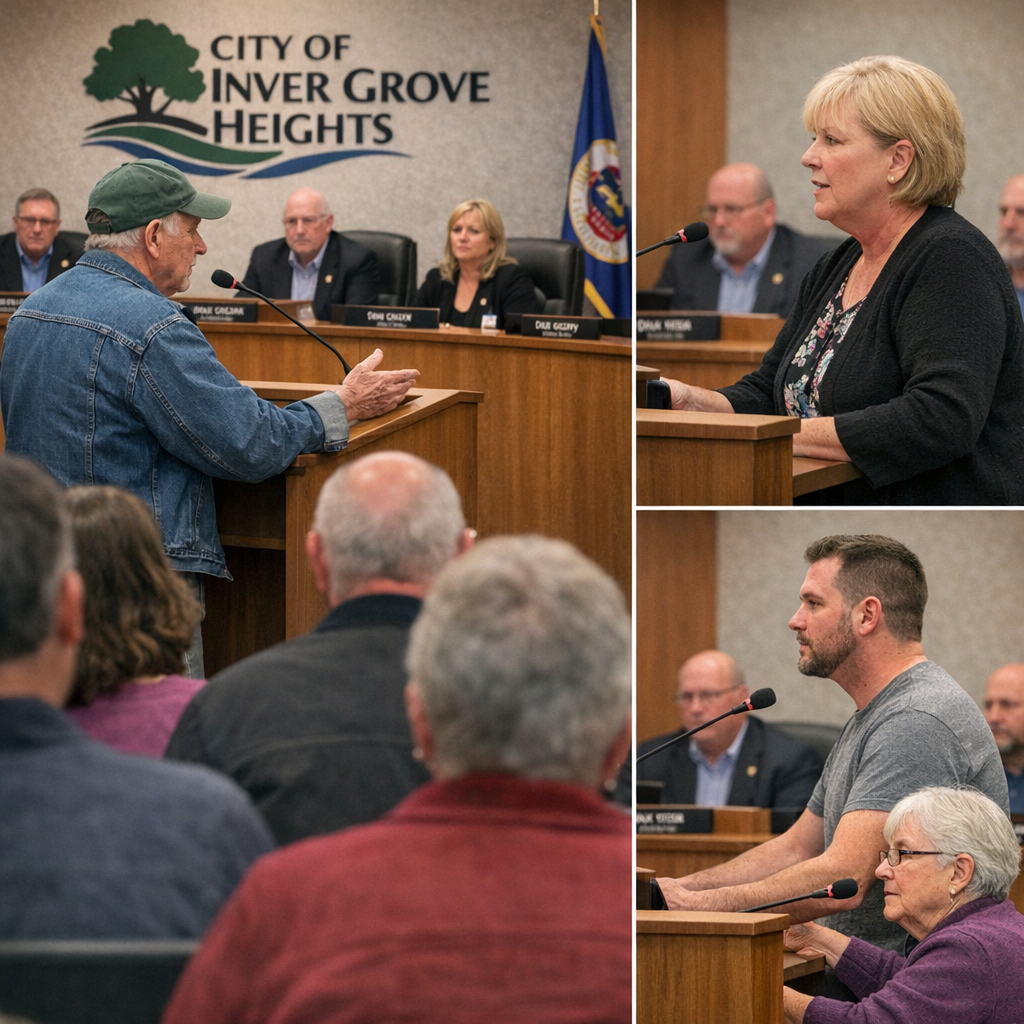
This year the city took a bold step—enacting a one-year moratorium on data center development after neighbors voiced concerns about noise, water use, air pollution, and what’s fair for those living close by. Some worried infrastructure and codes weren’t keeping pace with modern demands. Others spoke of feeling out of the loop when decisions affect daily life.
It wasn’t politics as usual. It was people organizing, learning, petitioning, speaking at Council meetings. Someone filed an Environmental Assessment petition. Others shared stories about living next to wooded lots or small farms, where they treasure silence or clean air. The message was: development can bring benefits, but not when it comes at the cost of community voice.
Balancing Rural Roots & Urban Pressures
IGH is special because it straddles rural character and urban growth. Our city’s beauty comes from open spaces, wetlands, wooded parcels—these are not just “nature,” they’re part of our heritage and identity. But I hear from neighbors that infill development, traffic, or new buildings too close together feel like they erode things people moved here for.
City staff know this dynamic well—planning, zoning, setbacks, environmental review all aim to balance growth with what makes our community glade and woodsy. But policies need feedback from everyday people: those who live beside lakes, those on gravel roads, or in neighborhoods where wildlife still matter.
Why Speaking Up Strengthens Us
Here are a few ways I’ve seen community engagement make a difference in IGH:
- Delaying or reviewing developments: Moratoria aren’t easy, but they force us to pause and think about long-term impact rather than letting projects happen without reflection.
- Code adjustment: Rules about noise, decibels, light pollution, runoff—all come up when neighbors share stories.
- Improved representation: When people organize—on commissions, at council, in public meetings—the decisions tend to reflect a broader range of perspectives.
How You Can Make Impact, Too
If you’ve ever felt like you’re not heard, or that decisions are made without enough community input, these are small ways to change that reality:
- Attend public City Council or Planning Commission meetings—even virtually. Listening in gives insight into how we decide things.
- Use tools like the City’s RequestTracker—to report issues near you like potholes, storm drains, or code violations. That’s participation in action.
- Join local gatherings or volunteer. IGH has plenty of opportunities: parks clean-ups, event help, school volunteering. It’s where conversations start.
- Reach out to your electeds. Write a quick email or phone call to let them know your concerns—neighbors do listen.
Looking Ahead: A Shared Vision For IGH
I believe our city is at its best when we see change as co-created. When growth comes with input. When development works with—not against—the character we love. Open space, rural feel, strong neighborhoods, clean water, safe roads—these don’t have to be sacrificed.
If Inver Grove Heights is going to stay more than just “a place to live,” but a place people feel at home, we need more than policies. We need all of us—the people who walk our trails, feed the geese, trust our neighbors—to be part of the story. That means speaking up, staying involved, but also listening, in return.
I hope more people take part in shaping what comes next. Because when the community has a voice, change becomes not something we endure, but something we guide together.