

By Michael Williams
Many of us love living in Inver Grove Heights for its parks, friendly neighbors, and family-friendly atmosphere. But in recent months, one issue has stirred up passion, concern, and debate: proposed data centers and how they affect our community.
What’s happening
The City Council recently approved a one-year moratorium on new data center development. The trigger was a proposal for a roughly 54,000-square-foot facility at 5890 Carmen Avenue—a project that raised worries about noise, environmental impact, water use, and questions over whether residents had enough say before such decisions were made. Council voted 3–2 to pause these developments while the city considers updating its rules and inviting more community feedback. Developers and some local business interests have pushed back, citing concerns over delays and legal risk. Some have threatened litigation if moratoriums block projects.
Why it concerns residents
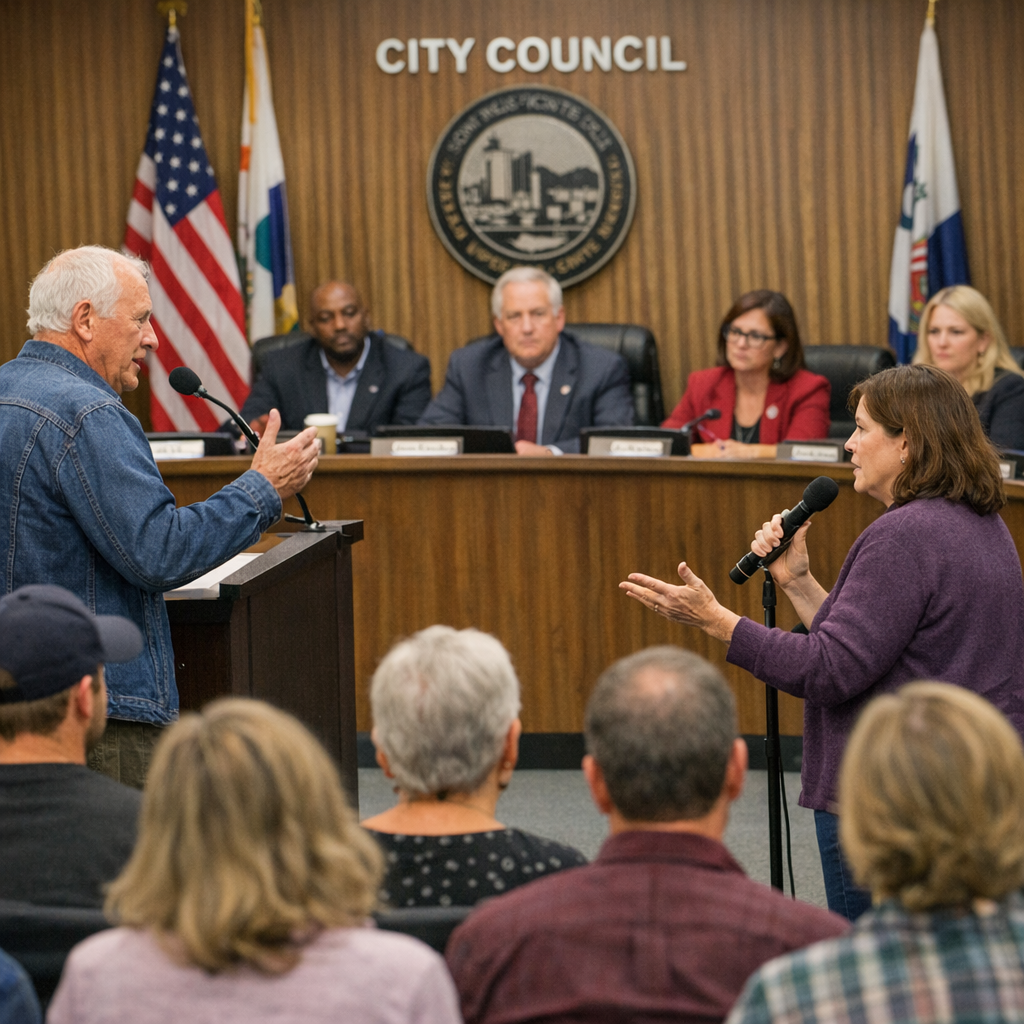
For many who live near the proposed site, it’s not just technical or legal—it’s personal. Seniors next to the site worry about ongoing noise and how it would affect their daily rest. Families question what this means for air and water quality. Others say the process felt rushed, without sufficient opportunity for public hearings or clear information on expected impacts.
More broadly, it highlights a divide between development momentum and local quality of life. While growth brings jobs, infrastructure, and investment, it also demands care so that newcomers and short-term profit don’t overshadow those whose lives will be most affected. Affordability, sustainability, and transparency come into play.
What’s at stake if we don’t listen
If residents feel ignored, trust erodes. City planning becomes reactive rather than proactive. We risk seeing legal battles, divided neighborhoods, and growing frustration when big decisions happen behind closed doors. This can slow projects that local officials might otherwise support—and raise costs and delays anyway.
On the other hand, a thoughtful process that seeks community input up front can build better outcomes. Clear rules, updated zoning, transparent environmental reviews, and more civic involvement can help us plan growth that feels fair and protects the everyday lives of residents. It can also help developers and city leaders avoid surprises down the road.
What we can do—our collective role
- Attend council meetings: Voice concerns, ask questions, hear directly what’s proposed.
- Stay informed: Read materials, understanding impact projections on noise, water, traffic.
- Reach out to city officials: Ask for clear maps, assessments, and opportunities for public input.
- Organize locally: Share information with neighbors, build groups, petition if needed.
- Vote in local elections with this issue in mind: City councils and planning commissions set many of these policies.
Growth is inevitable in suburbs like Inver Grove Heights—but how that growth fits into our lives is something we all help shape. When we make sure our voices are part of the story, the “future of Inver Grove Heights” becomes something we don’t just witness—it help write.