

By Michael Williams
I’ve lived in Inver Grove Heights long enough to see it grow — neighborhoods expanding, new businesses moving in, and green space slowly transforming. We’re often proud of our family-friendly parks, strong schools, and a sense that while we’re close to the Twin Cities, we still know our neighbors. But recently, something significant has stirred up the community in ways I haven’t felt in a while. The ongoing debates over data center development aren’t just about buildings. They’re about who we want to be—and how we handle growth, identity, and shared values.
The data center issue
The city council approved a one-year moratorium in late June to pause new data center projects. The immediate spark: a proposal for a 54,000-square-foot facility on Carmen Avenue East. Supporters say we need to think carefully—about traffic, noise, energy demands, and what industrial growth means so close to residential zones. Opponents say delaying flexibility could incur legal risk and limit economic opportunity. Some feel left out of the conversation.
What is at stake
- Traffic, sound, and environment. Residents have raised concerns about how these tall, server-filled buildings might change air traffic, road use, and how we live day-to-day.
- Identity and zoning. Do we want Inver Grove Heights to stay mostly residential and green, or take on more industrial character? Where should the lines be drawn?
- Legal and financial risks. Because the moratorium was initiated after a developer had submitted plans, the city has been threatened with litigation, asking for damages that could run very high.
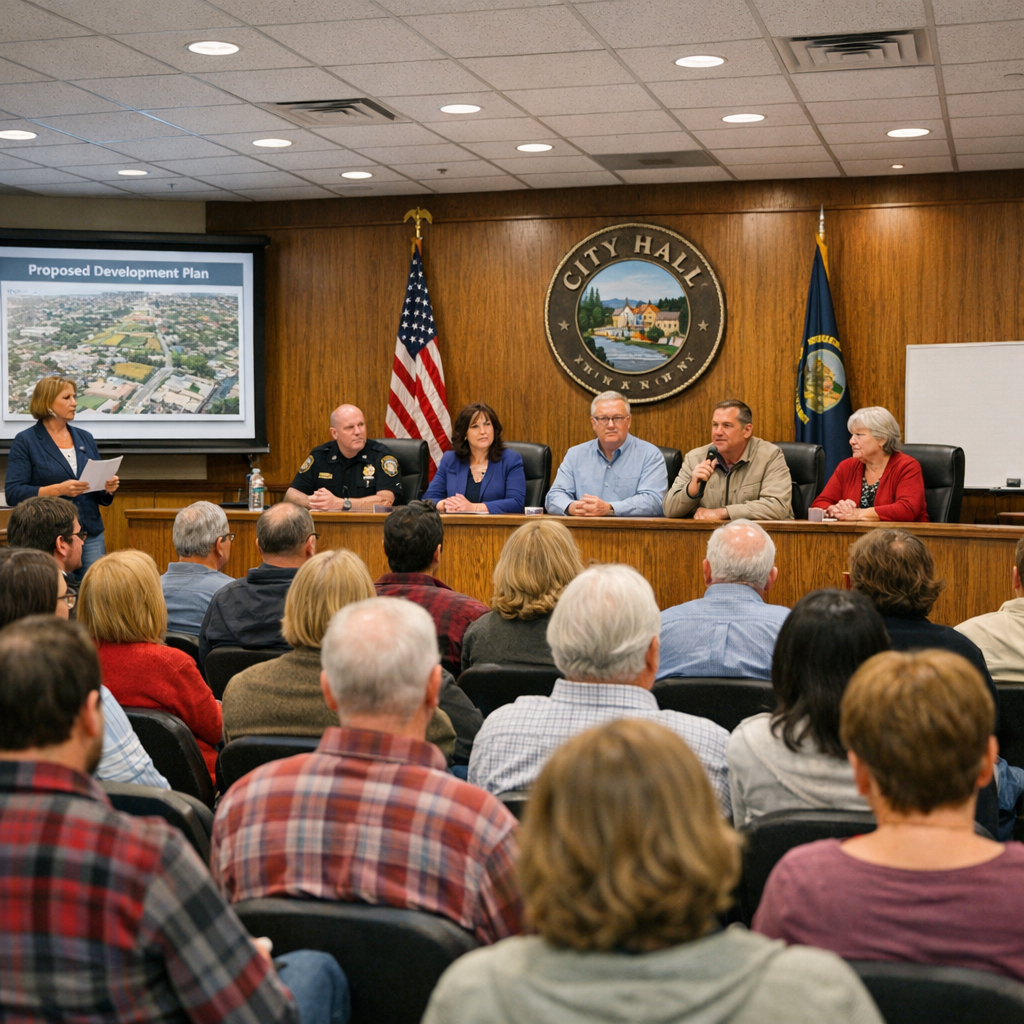
- Public voice and transparency. Many community members feel that they haven’t been fully a part of shaping these decisions—even though these decisions will affect all of us. Open meetings, public hearings, and earlier notice could help here.
Reflections from neighbors
Conversations I’ve had around town reflect mixed feelings. Some neighbors are all for smart growth—jobs, tax base, infrastructure upgrades. Others worry that change might come at the cost of atmosphere they moved here for: tranquil streets, walking trails, green views. One voice at a meeting told me they moved here to escape industrial congestion, only to find debates about industrial density coming to their back yard.
Families whose kids use ISD 196 schools remark positively on small-town connections and friendly faces at drop-off, but want decisions that keep future generations in mind. Especially when it comes to water, roads, or energy infrastructure.
What we can do moving forward
As we move into decisions about data centers and beyond, here are a few things we could consider as a community:
- Stay engaged and informed. Watch city council agendas, attend meetings, speak up in open houses. The public comment period matters.
- Ask clarifying questions. What does energy use look like? What traffic studies have been done? How will local roads or services be impacted?
- Support balance-oriented planning. Zoning and development don’t have to be all-or-nothing. Transitional zones, buffer areas, limits on height or light, or industrial projects located further from homes are all ways to manage growth without losing what makes us feel like home.
- Hold leaders accountable. City council decisions carry long-term consequences. Making sure they reflect community input—and protect taxpayers—is part of civic responsibility.
Final thoughts
Inver Grove Heights isn’t just sidewalks and schools—it’s shared stories, hopes, and values. The data center debate isn’t going away soon. It forces us to ask: what kind of city do we want? Is our identity one of steady residential warmth, or industrial ambition? Or somewhere in between?
I believe we can carve a path that respects both. A city where growth is managed, where voices are heard, and where our natural spaces and quality of life remain central. Because in years from now, when we look back, I want to say we made the right calls—not the easiest ones.