

Hi. I’m James Larson bringing you insights into the weather and environment here in Inver Grove Heights. Our region’s climate has many unique traits—and knowing them helps us better enjoy outdoor life while planning for what lies ahead.
Understanding Our Climate Type
Inver Grove Heights falls under a humid continental climate. This means we see large swings through the year—cold winters, hot summers, and marked transitions in between. Temperatures range, on average, from lows near 15–20 °F in mid-winter to highs in the low to mid-80s in July. Spring and fall bring rapid changes.
Precipitation is fairly well-distributed, although most rain falls during the warmer months. Snow is a major factor during winter; Inver Grove Heights typically records over 50 inches of snowfall each season, with snow cover lasting from mid-December to early March. Storms and heavy rain events are more frequent than in past decades.
Shifts and Trends We’re Seeing
Climate data shows the area has been warming, especially in winter and at night. Winter lows are rising faster than summer highs. As a result, extremely cold temperatures—once a regular part of our mid-winter—are becoming less common. These warming patterns also extend into autumn, making late fall warmer than it used to be.
Precipitation totals are also trending upward, and heavy rain events have become more intense. This puts pressure on stormwater systems, especially in urban or newly developed areas. Flood risk increases when the ground is saturated or when sudden downpours overwhelm drainage.
Impact on Natural Cycles & Local Ecosystems
As climate shifts, the growing season—the stretch between the last spring freeze and the first fall freeze—has been expanding. This gives a longer window for gardens, landscaping, and agriculture, but may also complicate timing for plants, pollinators, and pests that depend on consistent seasonal cues.
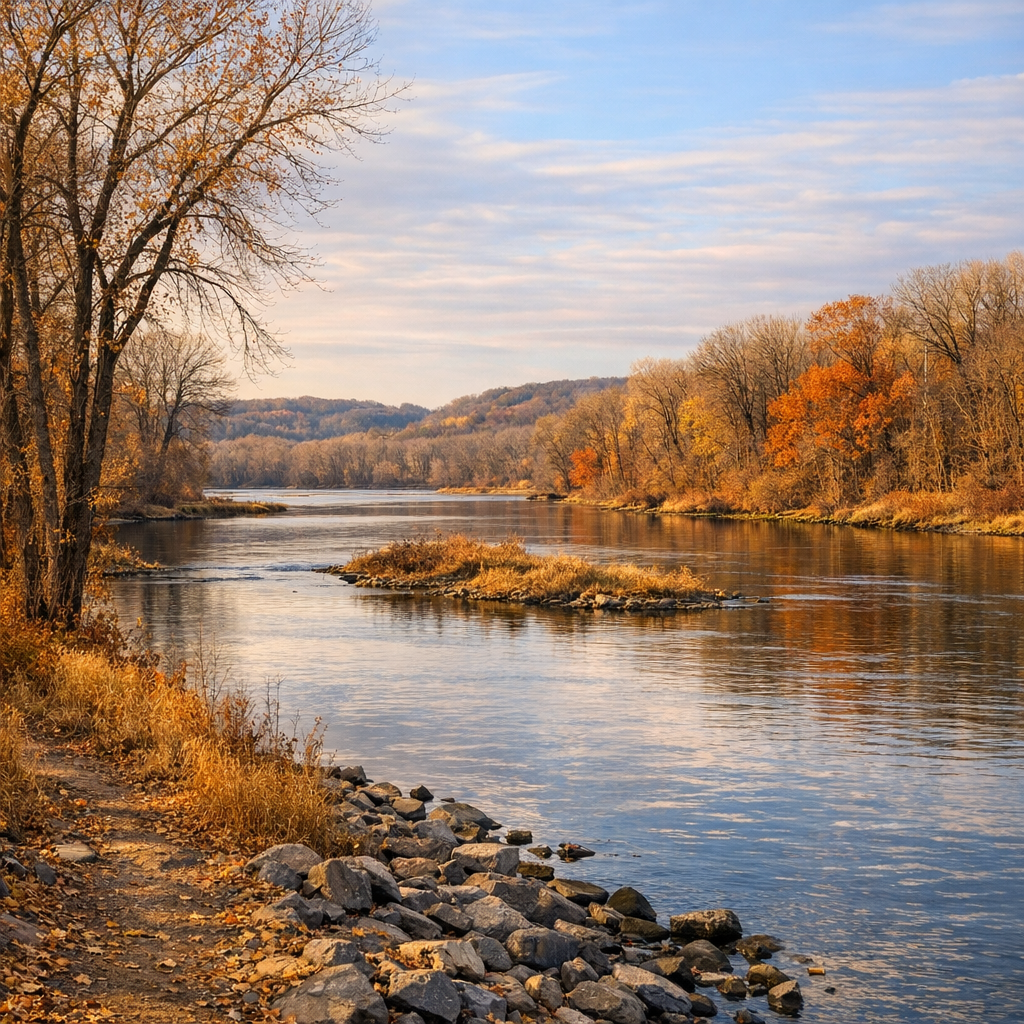
The timing of fall color change and leaf drop in deciduous trees depends heavily on day length, temperature, and moisture. Warmer falls and drought can lead to earlier leaf drop and less vibrant colors. Conifers remain greener longer, though species like tamarack are the exception—changing color and dropping needles.
Wildlife behaviors are changing too. Migratory patterns, hibernation timing, and habitat use are all being influenced by altered temperature and moisture regimes. Wetlands, rivers, and wooded areas may experience shifts in species presence or timing of key life events.
What This Means for Residents & What We Can Do
Whether you’re a gardener, hiker, property owner, or just someone who enjoys being outdoors, these changes matter:
- Plan plantings and landscaping with frost dates in mind—and consider native species that are adapted to variability.
- Watch for more extreme weather events—heavy rains, rapid snowmelt, warm spells in winter—and be ready with proper yard drainage and snow removal strategies.
- Support and preserve local natural areas—woodlands, wetlands—to help buffer climate effects and maintain biodiversity.
- Stay informed through local and state climate resources; knowledge of historical normals helps set expectations.
Change is part of the rhythm here, but being aware and proactive helps us adapt—and keep enjoying all that Inver Grove Heights’ seasons have to offer.