

By James Larson
Inver Grove Heights sits amid the embrace of Minnesota’s strong seasons—scraping frosty winters, lush summers, and crisp autumns. But these patterns are shifting. Here’s a look at trends that are already affecting our local weather, environment, and what we can expect going forward.
Growing Season & Frost Dates Changing
Climate data shows the growing season in our region now stretches roughly from late April through early October. Specifically, the average last spring frost hits between April 21–30 near the MSP area, while the first frost typically arrives about October 1–10. That’s about six months of frost-free days, up from shorter spans in past decades. These shifts influence everything from gardeners’ planting schedules to crop choices.
Temperatures: Warmer Winters, Milder Autumns
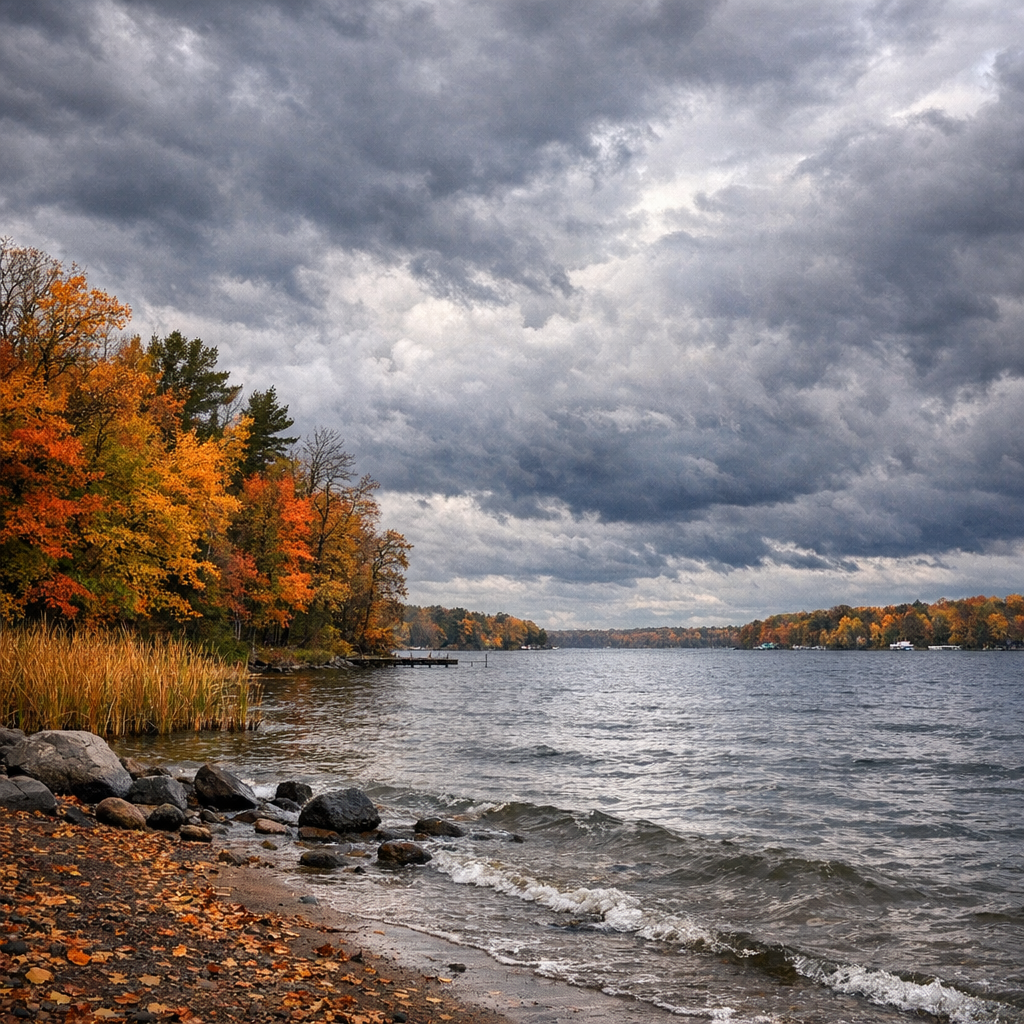
Minnesota is getting measurably warmer over time—especially in winter. Winter low temperatures (nighttime and overnight lows) have been rising faster than highs, narrowing the gap between cold nights and warmer days. Autumns have also trended warmer: fewer days dipping below freezing in September and later onset of deep fall color are among the changes residents are noticing.
Rainfall & Precipitation Changes
Precipitation in southern Minnesota, which includes Inver Grove Heights, is increasing overall. But it’s not just about more rain—it’s also about how that rain falls. Heavy precipitation events are more frequent, creating risks like localized flooding and overload on stormwater systems. Meanwhile, drier stretches between storms can stress gardens and ecosystems.
Impact on Natural Environment & Local Life
These shifts ripple through our surroundings. Warmer temperatures and altered rainfall affect lake ice—ice-in dates are coming later, and ice-out dates earlier—impacting ice fishing, aquatic ecosystems, and winter recreation. Some native trees in colder parts of the state are declining, while species adapted to warmer climates are moving in. Migratory birds and insects are arriving earlier, sometimes before food sources are fully available.
What Residents Can Do
- Adjust garden plans based on updated frost dates and earlier blooms.
- Stay aware of weather alerts, especially for heavy rain and potential flooding.
- Support local efforts to increase rain gardens, permeable surfaces, and shaded areas to manage heat and runoff.
- Respect changing wildlife patterns—avoid disturbing early nesters, be mindful of native species.
Change isn’t sudden, but it’s real. By paying attention to evolving weather and environmental trends, we can better adapt and help preserve the character of Inver Grove Heights’ seasons.