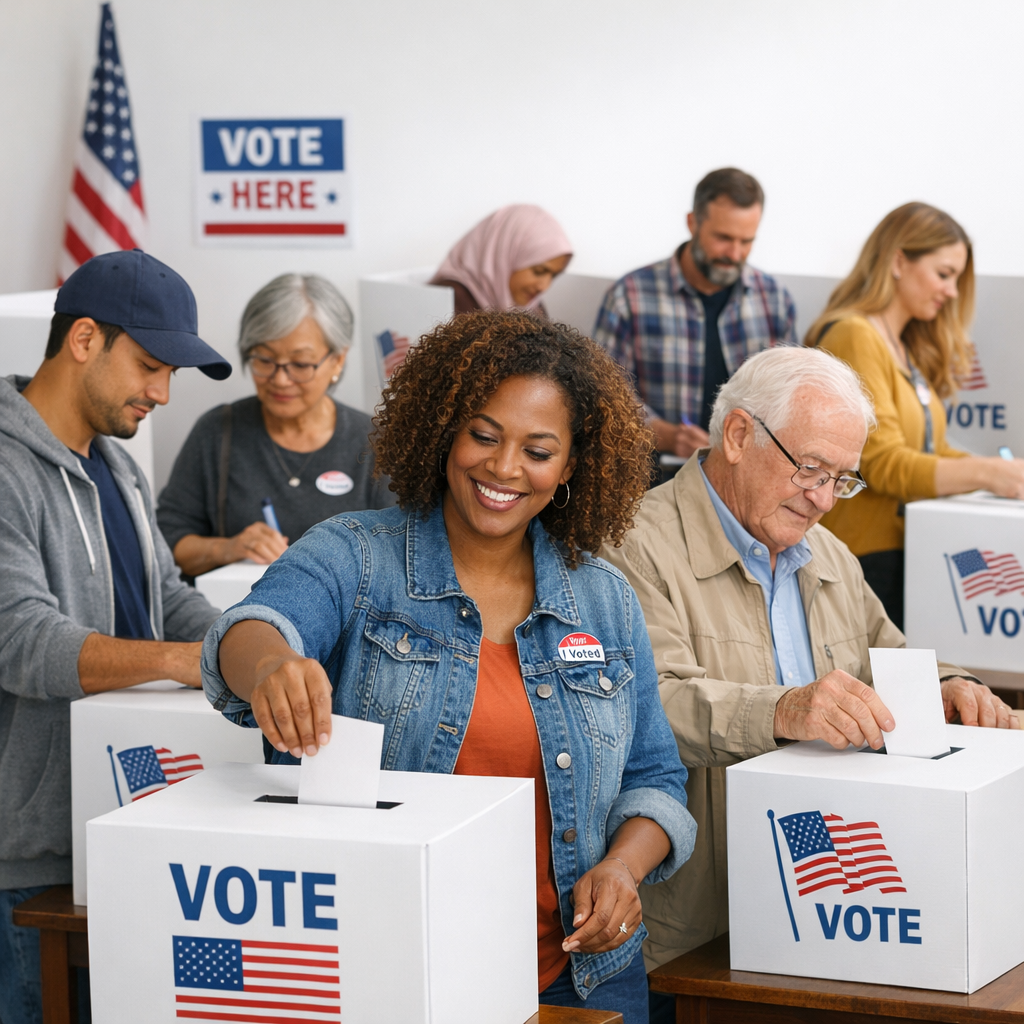
The United States electoral system is a cornerstone of its democracy, encompassing various processes and institutions that collectively determine the nation’s leadership. Understanding these components is essential for every voter.
The Electoral College
In presidential elections, the Electoral College plays a pivotal role. Voters cast ballots for a slate of electors pledged to a specific candidate. These electors then vote to elect the president and vice president. This system means that winning the popular vote doesn’t always guarantee the presidency, as seen in several historical instances.
Primary Elections
Before general elections, primary elections are held to select party nominees. These can be open, allowing any registered voter to participate, or closed, restricted to party members. Primaries are crucial in shaping the choices available to voters in the general election.
Midterm Elections
Occurring every two years, midterm elections determine the composition of Congress. All 435 seats in the House of Representatives and approximately one-third of the Senate seats are contested. These elections can significantly influence the legislative agenda and the balance of power between political parties.
State and Local Elections
Beyond federal elections, state and local elections impact daily life directly. Positions such as governors, state legislators, mayors, and city council members are decided, affecting policies on education, infrastructure, and public safety.
Voter Participation
Active participation in elections is vital. Voters should be aware of registration deadlines, voting methods (in-person, mail-in, early voting), and the specific issues and candidates on their ballots. Staying informed ensures that citizens can make choices aligned with their values and interests.
By comprehending the intricacies of the electoral process, voters empower themselves to contribute meaningfully to the democratic system, influencing the direction of their communities and the nation.