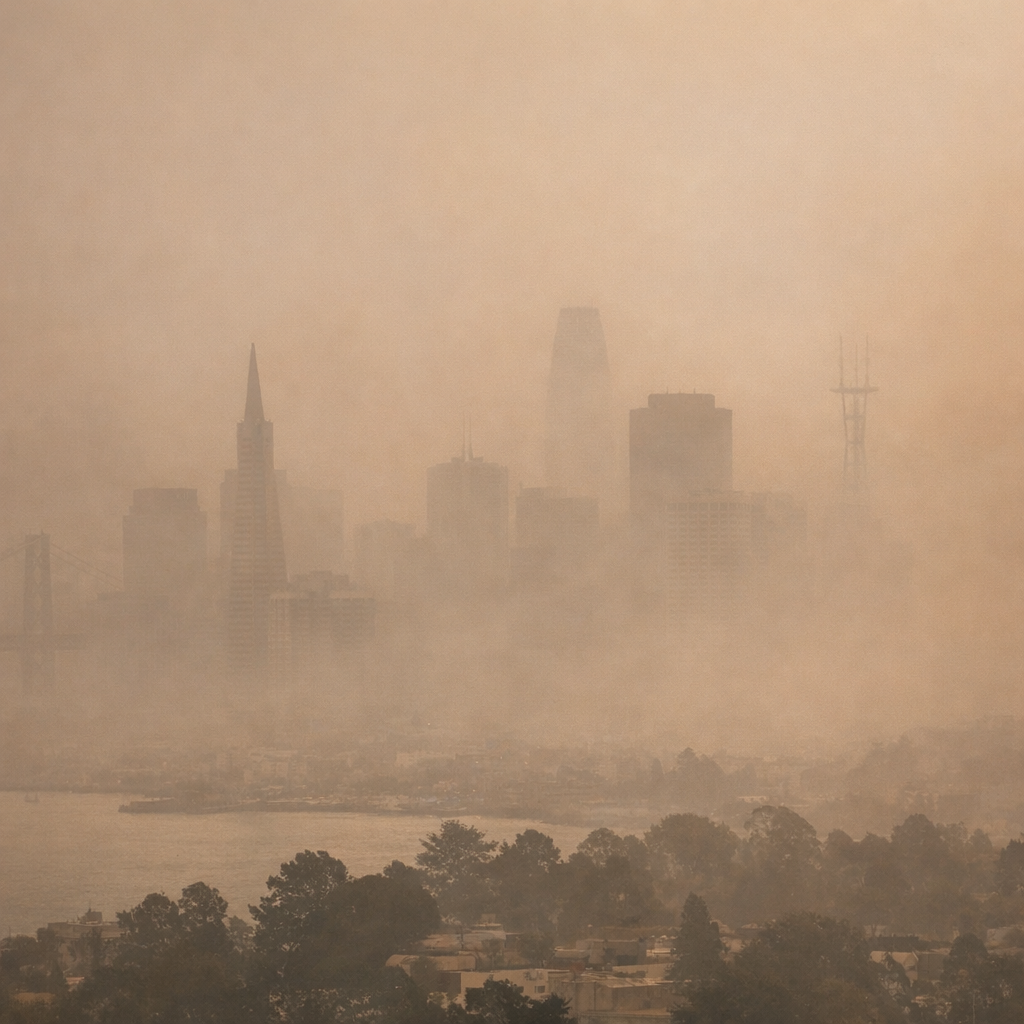
Wildfires have become a recurring challenge in the United States, with their smoke affecting air quality across the nation. Recently, Minneapolis experienced some of the worst air quality globally due to ongoing wildfires.
Health Implications of Poor Air Quality
Exposure to wildfire smoke can lead to various health issues, including respiratory problems, eye irritation, and exacerbation of existing conditions like asthma. Vulnerable populations, such as children, the elderly, and those with pre-existing health conditions, are particularly at risk.
Monitoring and Responding to Air Quality Alerts
It’s crucial for residents to stay informed about air quality levels in their area. Utilizing resources like the Air Quality Index (AQI) can help individuals make informed decisions about outdoor activities. On days with poor air quality, it’s advisable to limit outdoor exposure, use air purifiers indoors, and wear masks if necessary.
Community Preparedness and Support
Communities can play a significant role in mitigating the effects of wildfire smoke. Establishing clean air shelters, distributing masks, and providing resources for vulnerable populations can make a difference. Additionally, supporting policies aimed at reducing wildfire risks and promoting forest management can have long-term benefits.
As we continue to face challenges posed by wildfires, staying informed and prepared is essential for safeguarding public health.