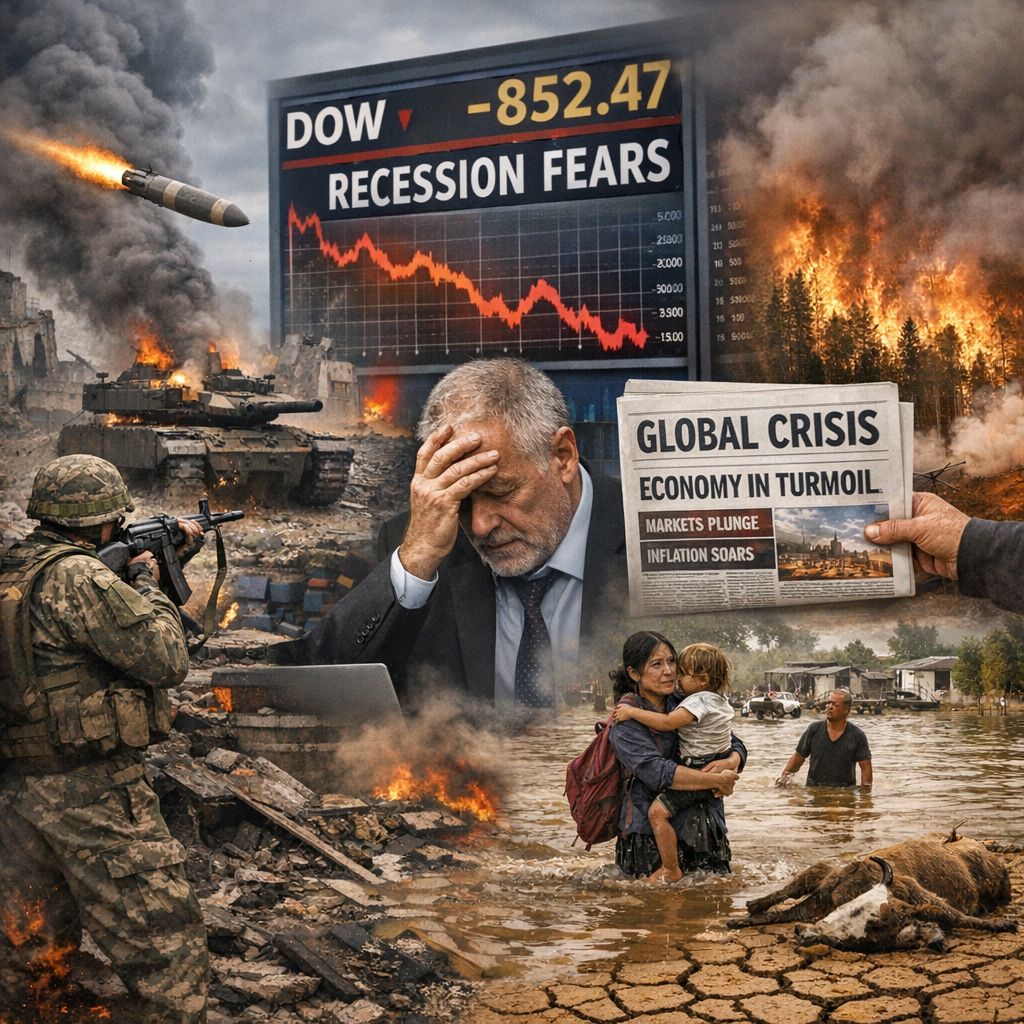
In recent years, the world has experienced a series of overlapping and interconnected crises, a phenomenon increasingly referred to as the ‘Era of Polycrisis.’ This term encapsulates the simultaneous occurrence of multiple global challenges that amplify each other’s impacts, leading to heightened instability and complexity on the international stage.
Defining the Era of Polycrisis
The ‘Era of Polycrisis’ describes a period marked by the concurrent collapse of the post-Cold War international order and the emergence of high-intensity, interconnected regional conflicts. This era is characterized by the marginalization of international law, the adoption of decapitation strikes as standard military doctrine, and the fragmentation of the global economy into competing geopolitical blocs.
Key Characteristics
- Geopolitical Instability: The rise of regional conflicts and the erosion of traditional alliances have led to a more unpredictable global political landscape.
- Economic Fragmentation: The global economy is increasingly divided into competing blocs, disrupting trade and economic cooperation.
- Environmental Challenges: Climate change and environmental degradation exacerbate existing crises, leading to resource scarcity and displacement.
- Technological Disruptions: Rapid technological advancements, while offering solutions, also introduce new vulnerabilities and ethical dilemmas.
Implications for the Future
The Era of Polycrisis presents significant challenges for global governance, requiring coordinated efforts to address the multifaceted nature of these crises. Understanding the interconnectedness of these issues is crucial for developing comprehensive strategies that promote stability and resilience in an increasingly complex world.