The U.S. economy has exhibited resilience in recent months, navigating through various challenges and demonstrating notable growth. In the first quarter of 2026, the economy expanded at an annualized rate of 2%, a significant rebound from the previous quarter’s 0.5% growth. This uptick was largely attributed to the recovery following a prolonged federal government shutdown and robust investments in emerging technologies, particularly artificial intelligence.
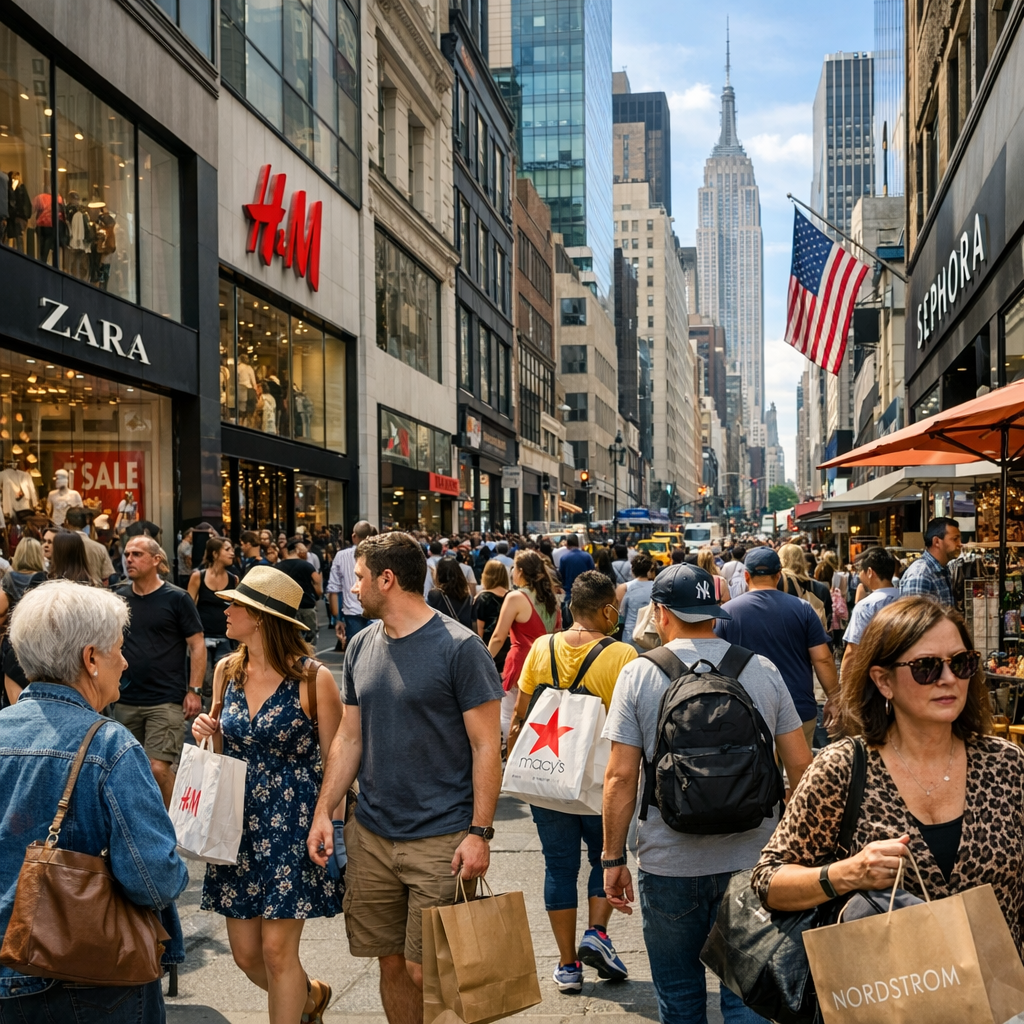
Consumer spending, a critical driver of economic activity, has remained strong despite facing headwinds. However, it’s noteworthy that spending has outpaced income growth, leading to a decline in the personal saving rate. In April, the saving rate fell to 2.6%, down from 3.2% in March and 4.3% in January, marking its lowest point since mid-2022. This trend suggests that consumers are increasingly dipping into their savings to maintain their spending levels.
Inflationary pressures have also been a focal point. The Personal Consumption Expenditures (PCE) Price Index, the Federal Reserve’s preferred measure of inflation, rose by 0.4% in April. While this represents a slight softening from March’s 0.7% increase, it indicates that inflation remains a concern for policymakers and consumers alike.
In the political arena, the United States continues to be characterized by a two-party system, with the Democratic and Republican parties dominating the landscape. These parties, while national in scope, often function as loose alliances of state and local organizations between election cycles.
Understanding these economic and political dynamics is essential for comprehending the broader national context. As the economy continues to evolve, staying informed about these trends will be crucial for individuals and businesses alike.