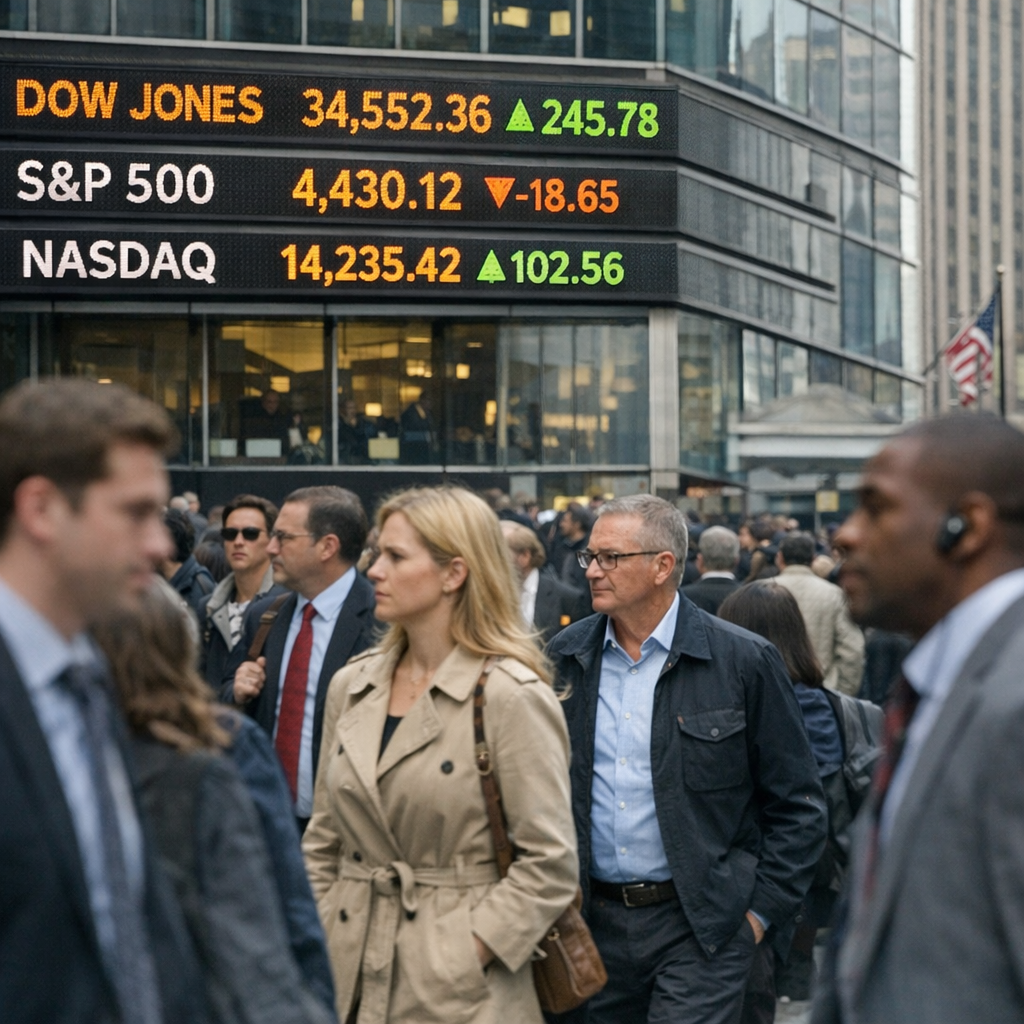
The U.S. economy has been navigating a complex landscape, marked by various challenges and developments. Understanding these dynamics is crucial for both policymakers and the public.
Economic Growth and Employment
Recent data indicates that the U.S. economy is experiencing modest growth. The International Monetary Fund (IMF) projects a 2.4% increase in gross domestic product (GDP) for the fourth quarter of 2026, up from 2.2% in the previous year. Unemployment rates are also expected to decline from 4.5% in late 2025 to 4.1% in 2026. These figures suggest a cautiously optimistic outlook for economic expansion and job creation.
Inflation and Consumer Confidence
Inflation remains a persistent concern. Gas prices have surged nearly 50 cents in the past month, contributing to elevated inflation levels. This increase has dented consumer confidence, as higher fuel costs impact household budgets and spending behaviors.
Federal Reserve Policies
The Federal Reserve has been actively managing monetary policy to balance economic growth and inflation. With the recent appointment of Kevin Warsh as the new Fed Chair, there is anticipation regarding potential shifts in interest rate policies and their effects on the broader economy.
Political Climate and Public Sentiment
Political dynamics continue to influence economic conditions. A Gallup poll reveals that approximately one-third of Americans view politics and government as the nation’s most pressing issues. This sentiment underscores the interconnectedness of political stability and economic confidence.
Looking Ahead
As the U.S. economy progresses, monitoring these indicators will be essential. Policymakers and citizens alike must stay informed to navigate the evolving economic landscape effectively.