Inver Grove Heights, located in Minnesota, experiences a diverse climate characterized by warm, wet summers and cold, snowy winters. Understanding these patterns is essential for residents to prepare for seasonal changes and to appreciate the city’s natural environment.
Climate Overview
The warm season in Inver Grove Heights spans approximately from late May to mid-September, with average daily high temperatures exceeding 71°F. July stands out as the hottest month, boasting an average high of 82°F and a low of 64°F. Conversely, the cold season extends from late November to early March, where daily high temperatures typically remain below 36°F. January is the coldest month, with average lows around 7°F and highs near 23°F.
Precipitation varies throughout the year. June tends to be the wettest month, averaging about 5.04 inches of rainfall, while February is drier, with an average of 0.97 inches. Snowfall is common during the winter months, contributing to the region’s picturesque landscapes.
Water Resources
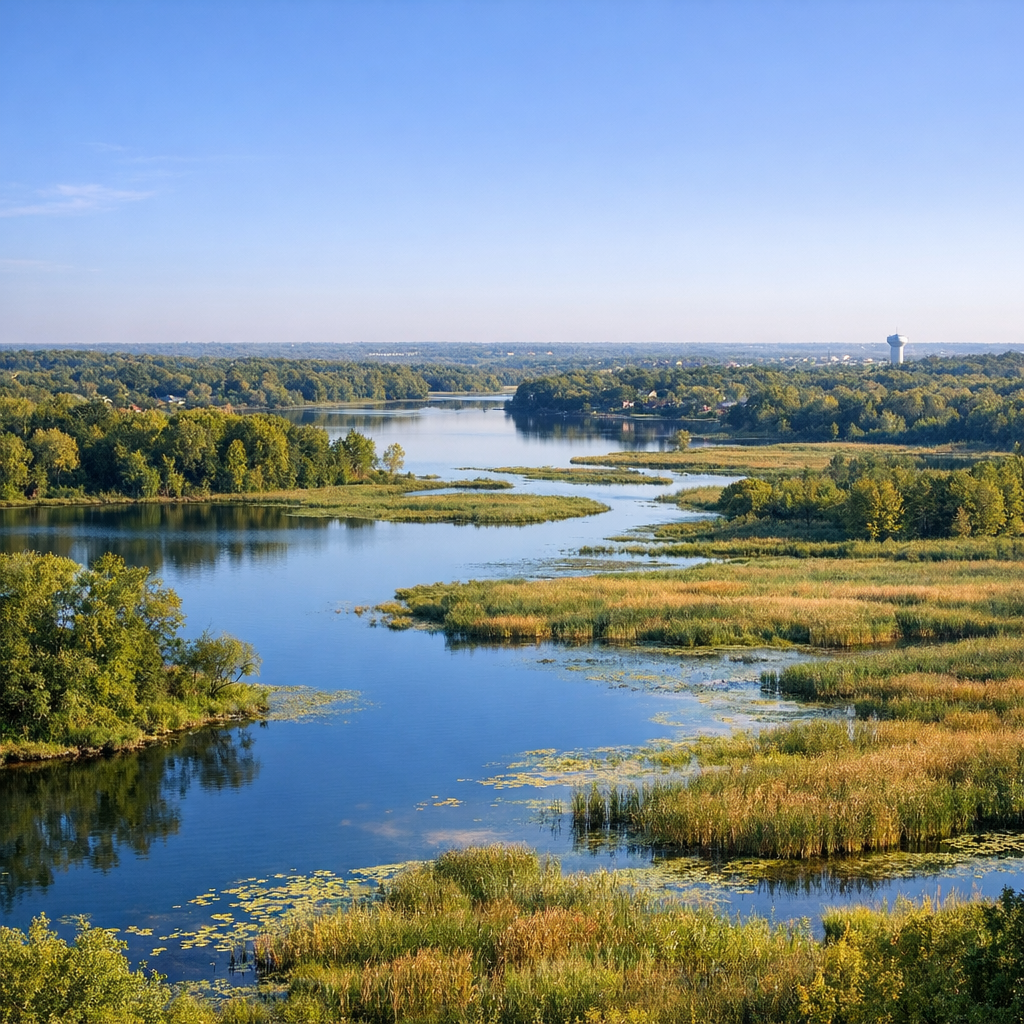
Water plays a pivotal role in Inver Grove Heights’ ecosystem. The city is home to over 630 lakes and wetlands and shares a border with the Mississippi River. These water bodies are vital for both the environment and the community’s quality of life.
However, urban development and increasing rainfall can lead to stormwater runoff, which may carry pollutants into these water bodies. To combat this, residents are encouraged to adopt practices that protect the watershed. Simple actions like redirecting runoff to gardens, planting native vegetation, and keeping debris out of storm drains can make a significant difference.
Additionally, the city offers programs such as the Storm Drain Stenciling Program, allowing community members to raise awareness about the direct connection between storm drains and local waterways.
Water Quality
Maintaining water quality is a priority for Inver Grove Heights. The city’s Utilities Division oversees the water supply, which comprises seven wells ranging from 360 to 1,044 feet in depth. Regular monitoring ensures that the water meets safety standards. For instance, as of February 2026, tests indicated that levels of combined radium and gross alpha radiation were below the maximum contaminant levels set by health authorities.
Residents using private wells are advised to implement water filtration systems to reduce potential contaminants. Complimentary water testing services are available to assist in this endeavor.
By staying informed about the local climate and actively participating in water conservation efforts, residents of Inver Grove Heights can contribute to preserving the city’s natural beauty and ensuring a sustainable environment for future generations.