

By Liam Anderson
In recent months, key developments in national politics, economics and the law have stirred discussions that are shaping what many believe could be a transformative period for the United States. Here’s a look at the forces in motion and what people in Inver Grove Heights and beyond might want to keep an eye on.
Where the Supreme Court Is Redrawing Lines
The Supreme Court’s most recent term has introduced sweeping changes that expand presidential power and redefine legal norms around executive authority. One of the more consequential rulings overturned a long-standing 90-year precedent protecting commissioners of independent agencies from being fired without cause—though notably, this protection remains for members of the Federal Reserve. This kind of move dramatically reshapes the balance between Congress and the executive branch. External legal experts argue this could create instability in business regulation and intensify the political influence over government agencies.
Other rulings have addressed campaign finance limits, redistricting, and regulations tied to federal agencies like the FTC. For instance, restrictions on coordinated spending by political parties with campaigns were struck down, and citizens’ lawsuits challenging parts of election law and immigration policy saw mixed outcomes—with some expansion of power for states and the executive, others left intact. Observers say these decisions will have ripple effects for states, political parties, and federal oversight for years to come.
The Economic Struggles Middle America Faces
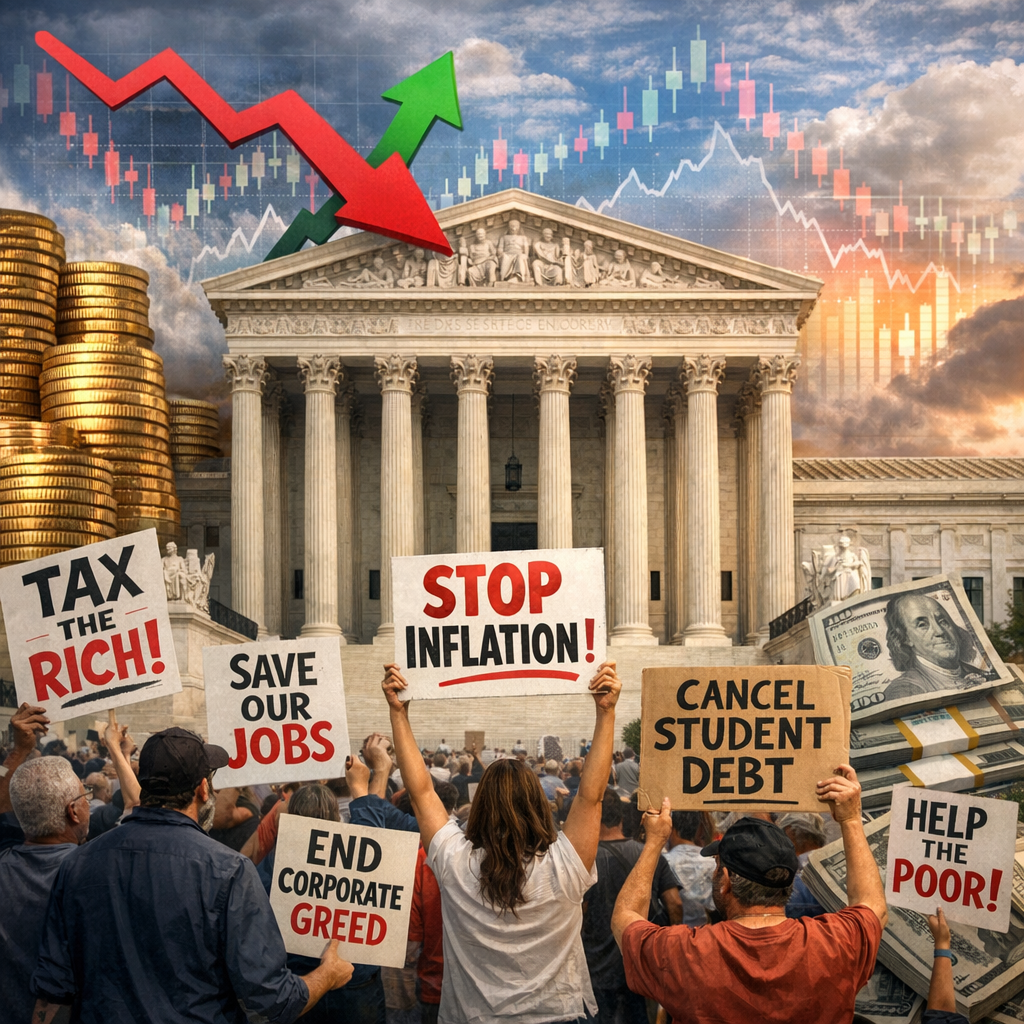
Despite signs of economic recovery—modest GDP growth, slowly easing inflation—many households continue to feel squeezed. Surveys show deep worries about rising costs for food, healthcare, housing, and energy. Gasoline and electricity prices that had been relatively stable recently saw sharp upticks, contributing to mounting pressure on family budgets. Public opinion data reveal that concerns about these core essentials have moved from frustrated complaints to urgent political demands.
These pressures are not uniform: lower-income households, young people, and those outside urban cores report they are impacted most. Inflation-adjusted wages have not kept pace with increases in living costs, especially in sectors affected by high interest rates—housing being a primary example. Meanwhile, rising geopolitical tensions and global supply chain disruptions threaten to undercut delicate gains in consumer confidence.
Political Chess Ahead of November
With midterm elections on the horizon, control of Congress is at stake. The administration has highlighted economic recovery and job growth in its messaging, while critics point to high inflation, uneven wage gains, and concerns over executive overreach. Immigration, foreign policy—particularly tensions with Iran—and voting access are emerging as key battlegrounds.
Key legal rulings are feeding into political strategy. Court decisions regarding mail-in voting, campaign finance, and agency independence may affect how campaigns are run and how deeply the executive can assert control. As more Americans express concern not just with what elected leaders do, but how they do it, voters seem increasingly attentive to questions of democratic norms and institutional power, not simply which policy wins.
What Residents in Inver Grove Heights Might Notice
- Utility and fuel bills—any rise could hit households hard.
- Email and campaign materials during midterms may reflect changes to campaign finance and voting laws.
- How independent agencies operate and who controls their leadership could impact public services and financial regulations.
Though some of these changes might feel abstract, they are laying groundwork for how power is distributed in the U.S.—shaping what citizens and local leaders can expect from government policies and protections. For communities like ours, the question may soon become not just who leads Washington, but what rules define how leadership works.
National headlines may not always seem local—but when the law changes, the cost of groceries rises, or when election laws shift, those are things people in Inver Grove Heights will feel.