The U.S. economy has recently demonstrated resilience, expanding at a 3% annual pace in the second quarter. This growth marks a rebound from earlier disruptions attributed to trade tensions and global uncertainties. However, underlying challenges persist, warranting a closer examination of the factors at play.
Economic Growth Amidst Trade Tensions
In the second quarter, the U.S. economy expanded at a 3% annual rate, indicating a recovery from previous setbacks linked to trade disputes. While this growth is encouraging, it masks underlying uncertainties stemming from ongoing tariff implementations and their potential long-term effects on various sectors.
Labor Market Dynamics
The labor market has shown mixed signals. While certain sectors, such as health care, have experienced job gains, others have faced stagnation or declines. Notably, the unemployment rate for U.S.-born workers has risen over the past year, suggesting that the benefits of economic growth are not uniformly distributed across the workforce.
Inflation and Consumer Prices
Inflationary pressures have become more pronounced, with consumer prices experiencing notable increases. For instance, gas prices have surged by 19% over the past month, reaching a national average of $3.45 per gallon. Such spikes are largely attributed to geopolitical tensions affecting global oil supply chains.
Stock Market Volatility
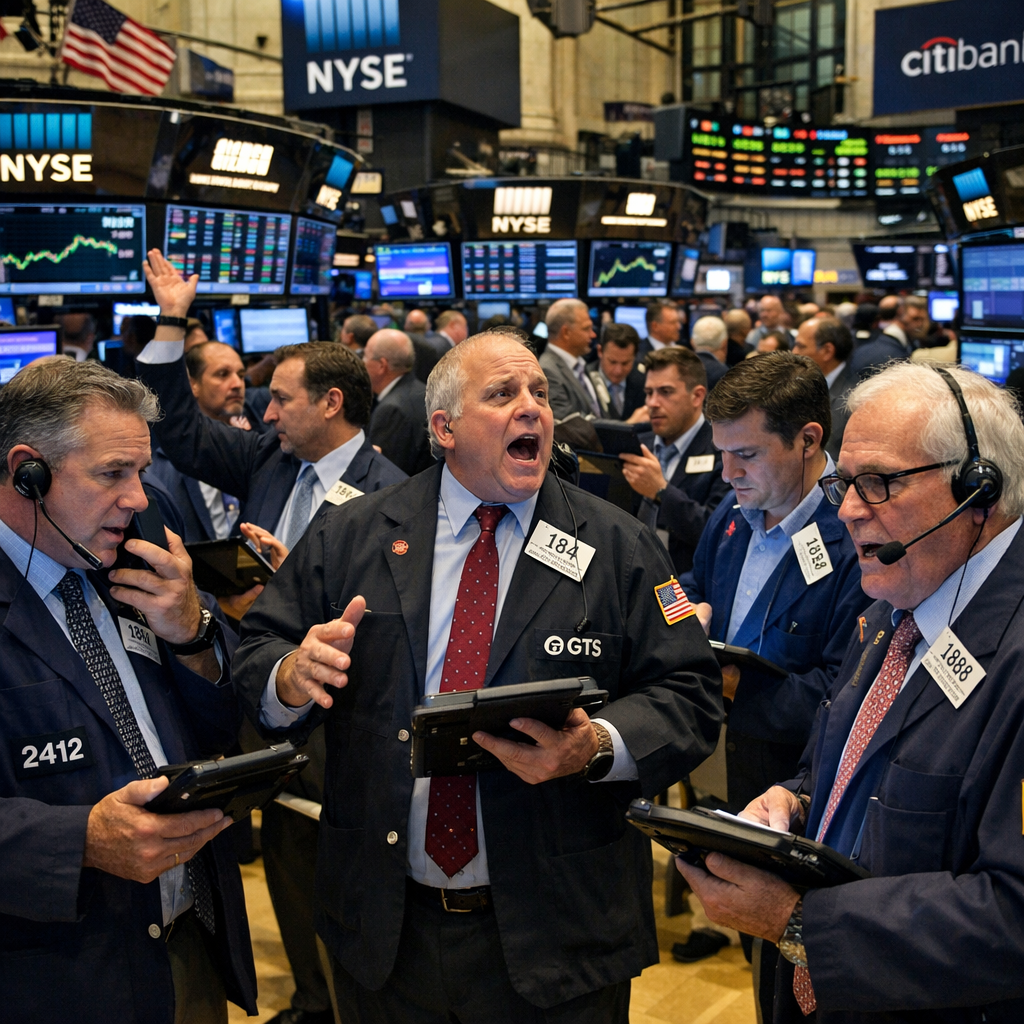
The stock market has exhibited volatility in response to domestic and international developments. While certain indices have reached record highs, concerns over trade policies and geopolitical conflicts have introduced fluctuations, impacting investor confidence and market stability.
Productivity and Wage Growth
Productivity gains have been observed, with business sector labor productivity climbing by 2.8% in the fourth quarter of last year. However, these gains have not consistently translated into higher wages for workers, as labor’s share of income has declined, raising questions about income distribution and economic equity.
Looking Ahead
As the U.S. navigates this complex economic landscape, policymakers and stakeholders must address the multifaceted challenges presented by trade policies, labor market disparities, inflationary trends, and market volatility. A balanced approach that fosters sustainable growth while mitigating adverse effects on vulnerable sectors will be crucial in ensuring long-term economic stability.