Recent developments in the U.S. economy have introduced a mix of challenges and opportunities for consumers and businesses alike. Understanding these changes is crucial for making informed decisions.
New Tariffs and Their Implications
The U.S. government has implemented new tariffs ranging from 10% to 12.5% on imports from 60 countries. These measures aim to address concerns over goods produced through forced labor. While intended to promote fair trade practices, these tariffs may lead to increased costs for imported goods, potentially affecting consumer prices and business operations.
Rising Gasoline Prices
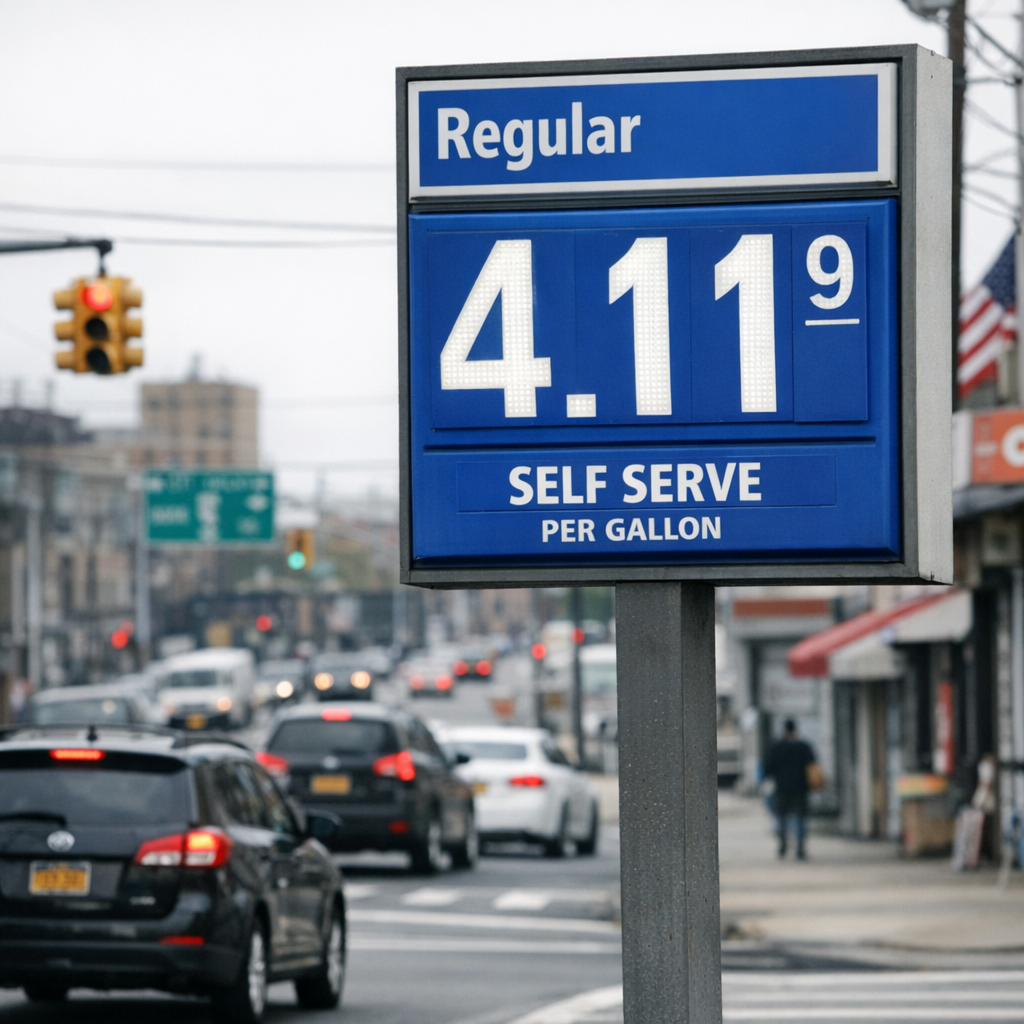
Gasoline prices have surged, with national averages climbing above $4.11 per gallon. This increase is attributed to rising crude oil prices and escalating tensions in the Middle East. Higher fuel costs can impact household budgets and transportation expenses, influencing spending patterns and economic activity.
Mortgage Rates on the Rise
The average 30-year mortgage rate has increased to 6.58%, marking the highest level in nearly a year. This uptick poses challenges for prospective homebuyers and those considering refinancing, as higher rates translate to increased borrowing costs.
Job Market Resilience
Despite economic uncertainties, the job market has shown resilience. Recent data indicates a drop in jobless claims to their lowest point since 1969, with only 187,000 new unemployment applications filed last week. This suggests a strong labor market, providing some stability amid other economic fluctuations.
Staying informed about these economic trends is essential for navigating the current landscape. By understanding the factors at play, individuals and businesses can better prepare and adapt to the evolving economic environment.