The U.S. economy is currently experiencing a complex interplay of factors influencing its trajectory. Recent policy decisions, global events, and market dynamics are shaping the economic landscape in significant ways.
Tariffs and Trade Policies
President Donald Trump has recently imposed a 50% tariff on Canadian goods, citing disputes over automobiles and alcohol. This move has raised concerns about potential retaliatory measures and the broader implications for international trade relations.
Inflation and Energy Prices
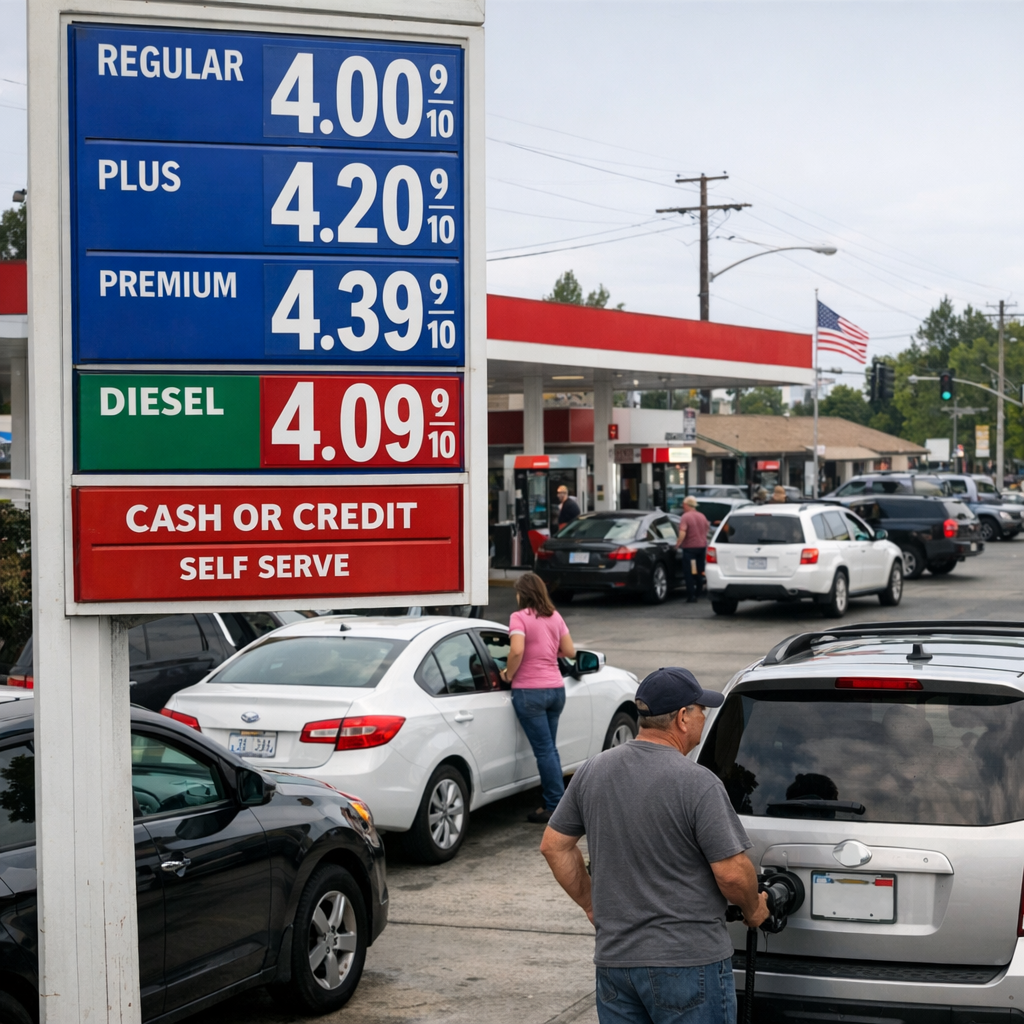
Inflation rates have been affected by fluctuations in energy markets. Gas prices have reached an average of $4 per gallon, influenced by renewed U.S.-Iran tensions. Such increases in energy costs contribute to overall inflationary pressures, impacting consumer purchasing power.
Labor Market Trends
The labor market has shown resilience, with job openings remaining strong. However, there are signs of a slowdown in hiring, and long-term unemployment rates have seen an uptick. These trends suggest a cautious approach by employers amid economic uncertainties.
National Debt Concerns
Financial leaders have expressed concerns about the rising national debt. BlackRock CEO Larry Fink highlighted that the escalating debt could lead to increased interest costs and potentially undermine economic confidence. He emphasized the need for sustained economic growth to manage the debt-to-GDP ratio effectively.
Local Implications
For residents of Inver Grove Heights, Minnesota, these national economic developments have tangible effects. Rising gas prices can strain household budgets, while shifts in the labor market may influence local employment opportunities. Staying informed about these trends is crucial for making sound financial and professional decisions.
As the economic landscape continues to evolve, it is essential to monitor these developments and consider their potential impacts on both national and local levels.