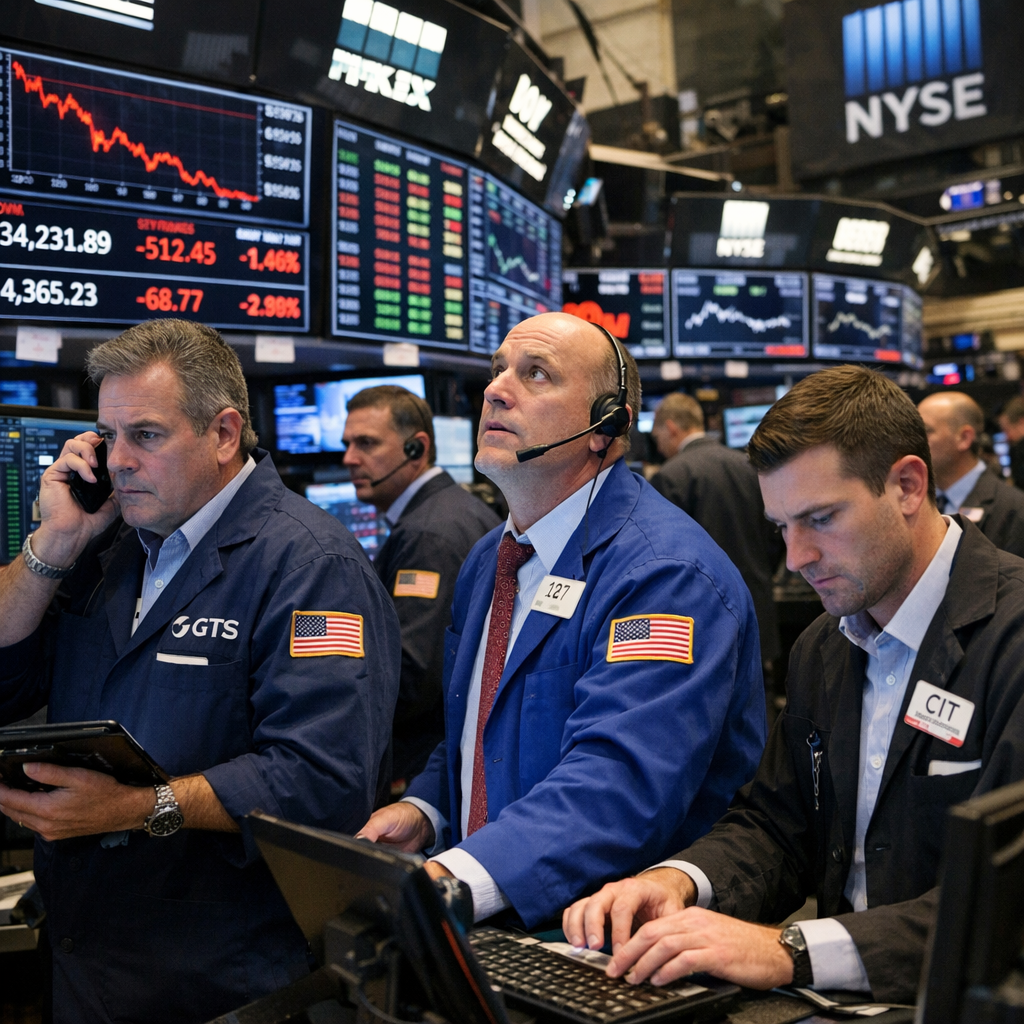
As we navigate through 2026, the U.S. economy presents a complex picture marked by both challenges and resilience. Recent data indicates a slowdown in job growth, with the U.S. adding 130,000 jobs in January. Notably, revisions have reduced the number of jobs created last year to 181,000, less than half the previously reported 584,000, marking the weakest growth since 2020.
Inflation remains a pressing concern, with consumer prices experiencing significant increases. Gas prices have surged nearly 50 cents in the past month, contributing to a broader rise in the cost of living. This inflationary pressure is partly attributed to ongoing international conflicts, notably the U.S.-Iran war, which has driven energy prices higher and led to a reassessment of central bank policies.
In response to these economic challenges, the Federal Reserve has undergone leadership changes. Kevin Warsh has been sworn in as the new Fed chair, replacing Jerome Powell. Warsh inherits significant economic obstacles, including managing inflation and stabilizing the job market.
On the political front, President Donald Trump has urged Americans to remain patient as global markets continue to react to tariff policies and international tensions. The administration’s approach to trade and foreign policy continues to influence economic conditions domestically and abroad.
For residents of Inver Grove Heights, these national economic trends may have local implications. Rising gas prices and inflation can affect household budgets, while shifts in the job market may influence employment opportunities in our community. Staying informed and proactive in financial planning can help navigate these uncertain times.