The U.S. economy is experiencing a period of moderate growth, with recent data indicating a steady expansion following a dip in early 2025. However, this growth has been accompanied by challenges such as rising inflation and fluctuating employment rates.
Economic Growth and Employment
After a contraction in the first quarter of 2025, the economy rebounded, though growth in the last two quarters has been below expectations. The labor market continues to add jobs, yet long-term unemployment remains a concern. Notably, the unemployment rate for young workers is about twice the national average, highlighting the difficulties faced by recent graduates in securing employment.
Inflation and Consumer Spending
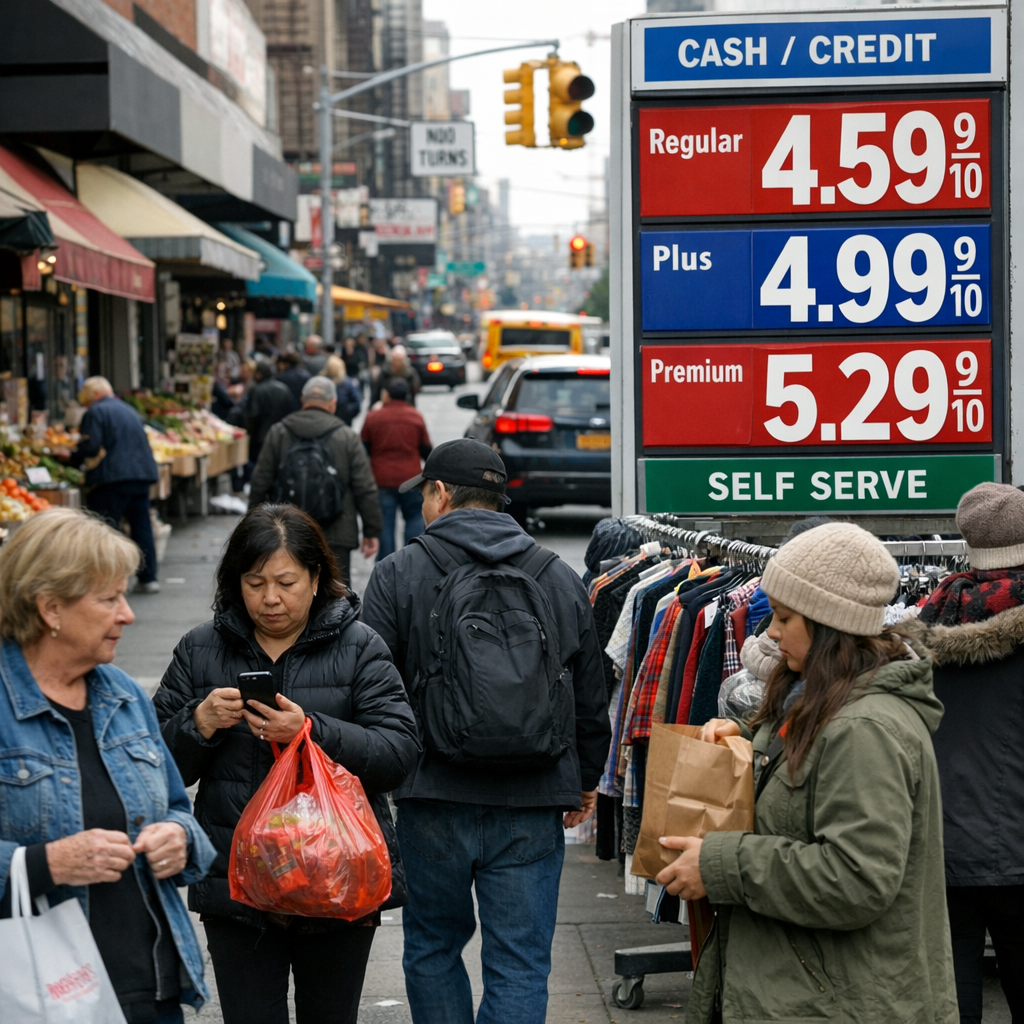
Inflation has risen to 3.8% as of April 2026, marking the highest rate in nearly three years. This increase is largely driven by elevated gas prices, which now average over $4.50 per gallon nationally and exceed $5 in several states. These rising costs have led to a decline in consumer spending, with April seeing a 0.5% increase, down from previous months.
Federal Reserve and Interest Rates
The Federal Reserve is closely monitoring these economic indicators to inform decisions on interest rates. While inflation remains a concern, the Fed aims to balance economic growth with price stability. Recent signals suggest a cautious approach to rate adjustments in the near future.
Looking Ahead
As the U.S. navigates these economic challenges, policymakers and consumers alike are seeking strategies to mitigate inflationary pressures and support sustained growth. The coming months will be crucial in determining the trajectory of the nation’s economic health.