The U.S. economy is experiencing a period of moderate growth coupled with rising inflation, prompting discussions about potential stagflation. Recent data indicates that the real Gross Domestic Product (GDP) grew at an annual rate of 1.6% in the first quarter of 2026. While this marks an improvement from late 2025, the annual inflation rate has reached a three-year high of 3.8%, raising concerns about the economy’s trajectory.
In the labor market, the economy added 172,000 jobs in May, maintaining the unemployment rate at 4.3%. This suggests a strengthening job market, even amidst economic uncertainties. However, the Federal Reserve faces challenges in balancing economic growth with inflation control, especially as Chair Jerome Powell’s term approaches its end.
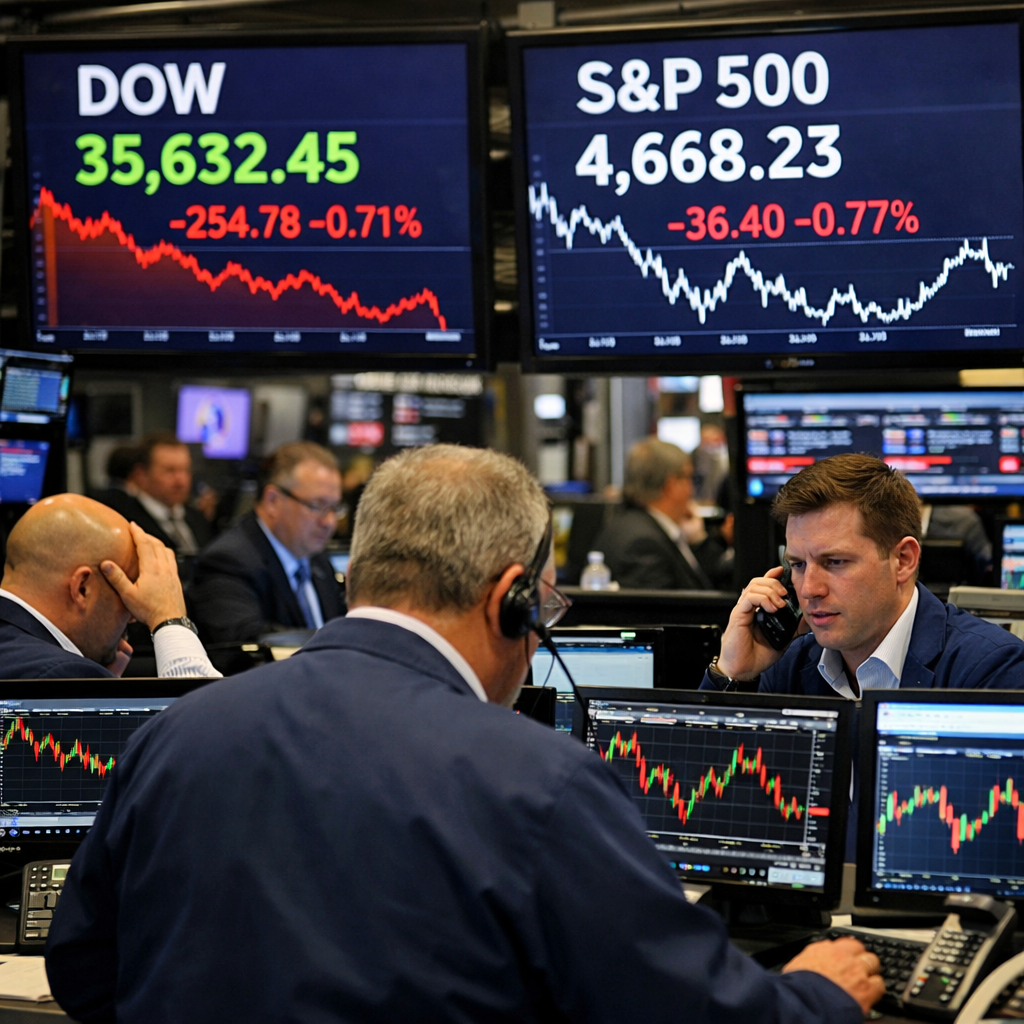
On Wall Street, markets have shown resilience, with record highs driven by the technology sector and renewed enthusiasm for artificial intelligence. Despite this optimism, investors remain cautious, closely monitoring geopolitical developments and their potential economic impacts.
As the nation approaches the 2026 midterm elections, economic issues such as inflation and cost of living are at the forefront of voters’ concerns. Policymakers are under pressure to address these challenges to maintain public confidence in the economy.