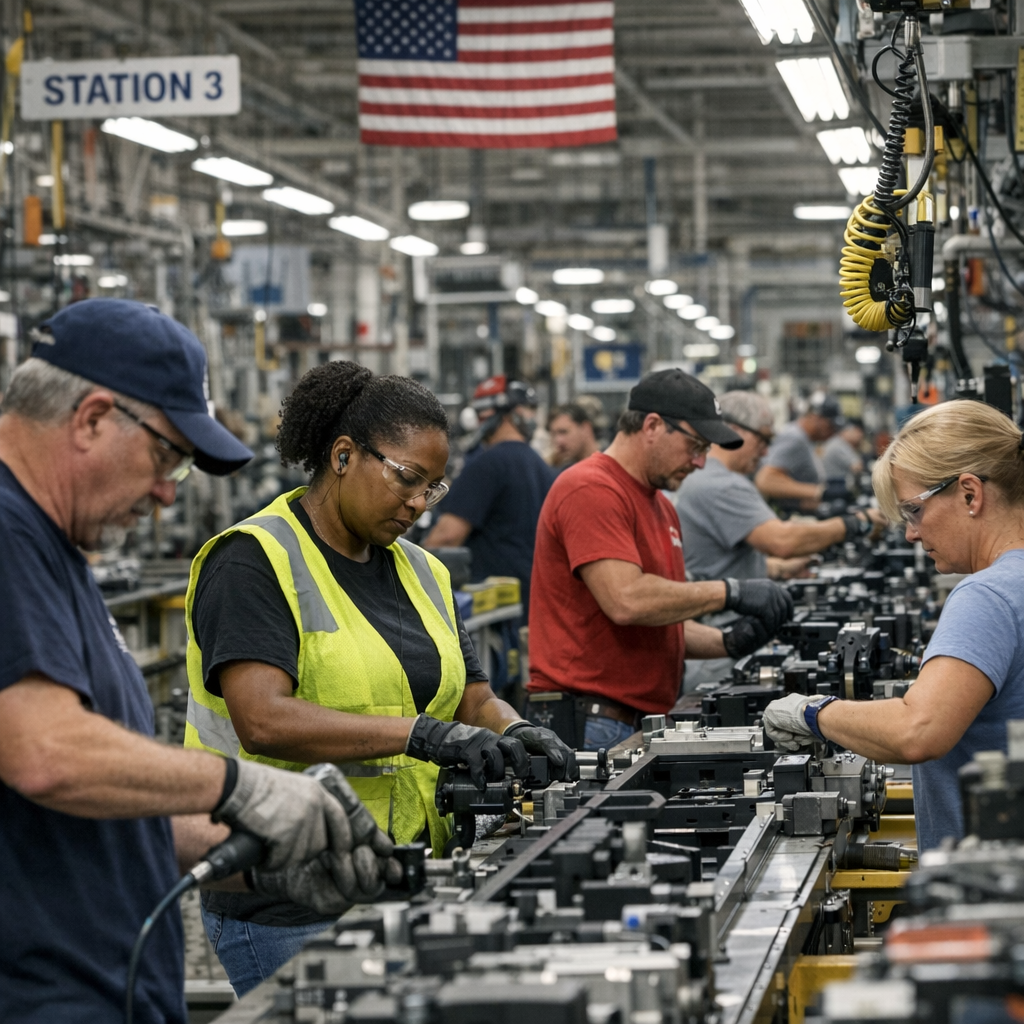
The United States economy is currently experiencing a period of mixed signals, with various indicators reflecting both growth and challenges. Understanding these trends is crucial for businesses and individuals alike.
Gross Domestic Product (GDP) Growth
Recent data indicates that the U.S. economy has shown signs of slowing growth. For instance, in the first quarter of 2025, the economy contracted by 0.3%, marking the first decline in three years. This downturn was largely attributed to disruptions caused by trade policies and a surge in imports ahead of anticipated tariffs.
Employment Trends
The labor market has also exhibited signs of weakening. Reports from mid-2025 highlighted a decline in manufacturing jobs, with employers shedding 37,000 positions since the introduction of new tariffs in April of that year. Additionally, net hiring has decreased over recent months, raising concerns about the overall health of the job market.
Inflation and Consumer Prices
Inflation rates have been on the rise, with the personal consumption expenditures price index increasing by 2.6% over the year ending in June 2025. This uptick in inflation has been influenced by higher prices for imported goods, a consequence of recent trade policies.
Federal Reserve Policies
The Federal Reserve faces a challenging environment, balancing the need to support economic growth with the imperative to control inflation. Discussions around adjusting interest rates have been ongoing, as policymakers assess the best course of action in response to the current economic climate.
Implications for Businesses and Consumers
For businesses, especially those involved in manufacturing and international trade, the current economic conditions necessitate strategic planning to navigate potential challenges. Consumers may also feel the impact through higher prices and a potentially tighter job market.
Staying informed about these economic developments is essential for making informed decisions in both personal and professional contexts.