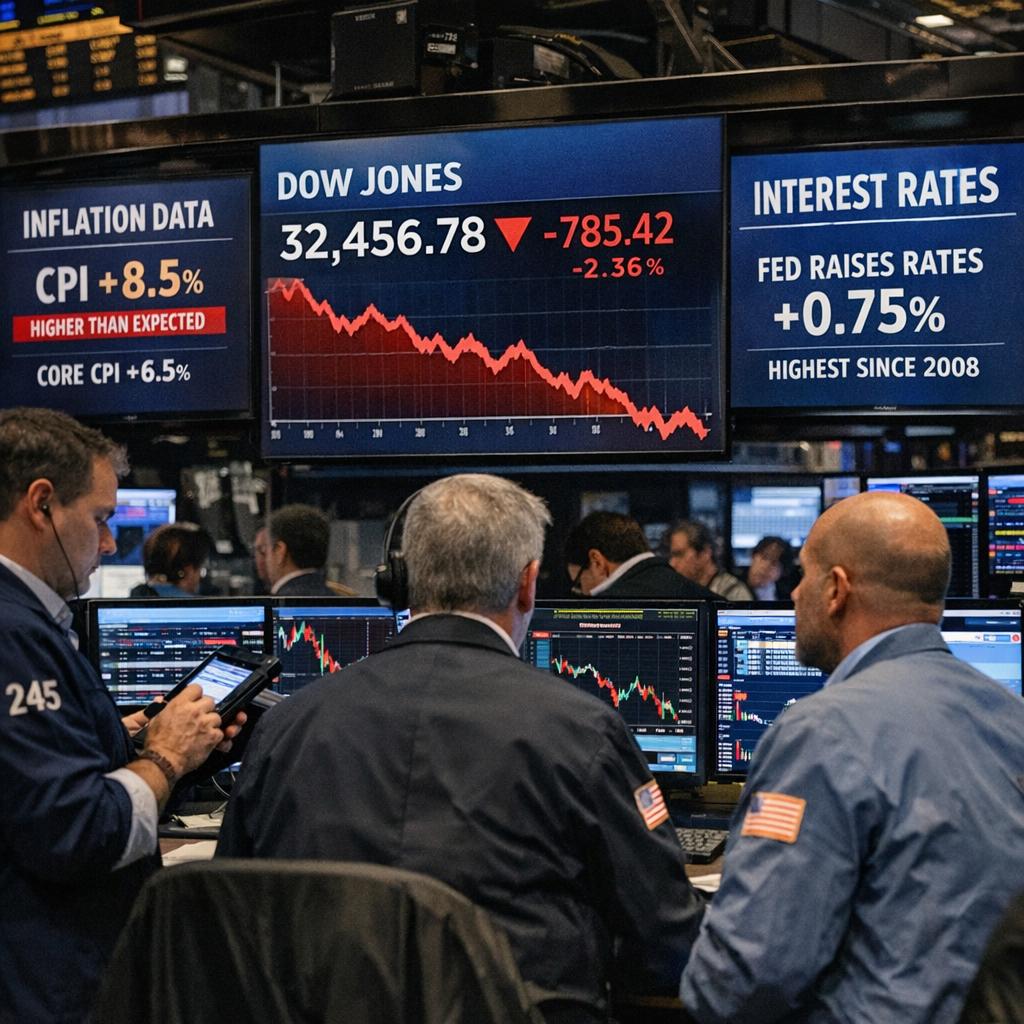
Recent economic indicators have painted a complex picture of the U.S. economy, with various factors influencing growth, inflation, and trade dynamics.
GDP Contraction
The U.S. economy experienced a contraction in the first quarter, marking the first decline in three years. This downturn was influenced by a surge in imports as businesses anticipated new tariffs, leading to a 0.3% annualized decrease in gross domestic product (GDP). Consumer spending also slowed, contributing to the overall economic deceleration.
Inflation Trends
Inflation rates have shown signs of slowing for the first time in six months. The consumer price index increased by 2.8% in February compared to the previous year, down from 3% in January. Core inflation, which excludes volatile food and energy prices, rose by 3.1%, the lowest since April 2021. However, ongoing trade policies and tariffs may pose challenges to maintaining this trend.
Trade Policies and Market Reactions
The administration’s implementation of new tariffs has introduced uncertainty into the markets. While some sectors have adapted, others face challenges due to increased costs and disrupted supply chains. The long-term effects of these trade policies remain to be seen, but they have undoubtedly contributed to the current economic volatility.
As the nation navigates these economic challenges, it is crucial to monitor these indicators and understand their implications for both the national and local economies.