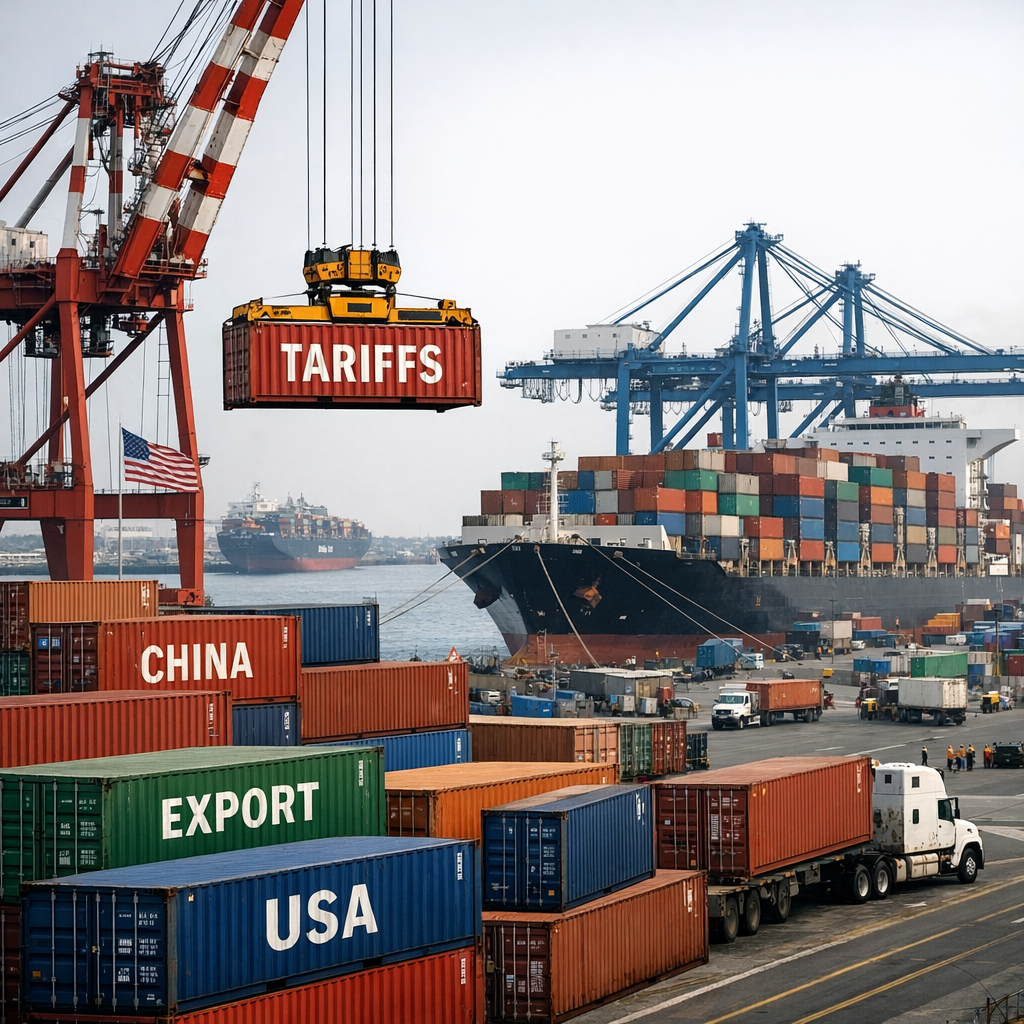
The U.S. economy has demonstrated remarkable resilience in recent years, maintaining steady growth and a robust labor market. However, the implementation of new tariff policies has introduced complexities that warrant close attention.
Economic Growth and Employment
Recent data indicates that the U.S. economy continues to expand, with gross domestic product (GDP) showing consistent growth. The labor market remains strong, with unemployment rates holding steady and job creation persisting across various sectors. This stability underscores the economy’s capacity to adapt to changing conditions.
Impact of Tariff Policies
The introduction of new tariffs has sparked discussions about potential economic implications. While some industries may benefit from protective measures, others could face challenges due to increased costs and disrupted supply chains. Economists caution that prolonged trade tensions may lead to inflationary pressures and affect consumer spending patterns.
Local Considerations
For communities like Inver Grove Heights, Minnesota, the broader economic landscape influences local businesses and employment opportunities. Industries reliant on international trade may experience shifts in demand, while consumers could see changes in prices for imported goods. Staying informed about national economic policies and their local impacts is essential for residents and business owners alike.
Looking Ahead
As the U.S. navigates these economic dynamics, policymakers and stakeholders continue to monitor the effects of tariff policies. Ongoing assessments aim to balance economic growth with the need to address trade imbalances and protect domestic industries. Community members are encouraged to stay engaged with developments to make informed decisions in an evolving economic environment.