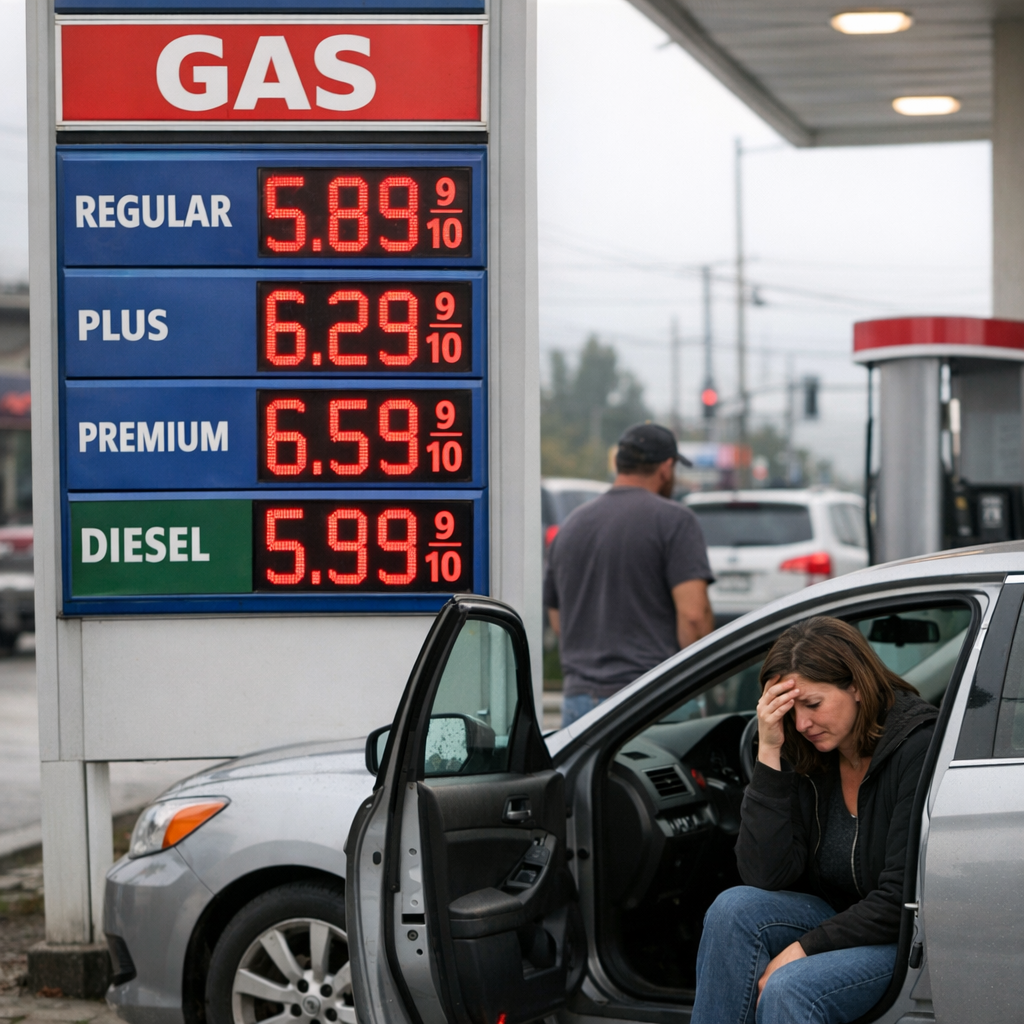
As residents of Inver Grove Heights and communities nationwide grapple with rising costs, understanding the broader economic landscape becomes essential. Recent developments have introduced challenges that affect our daily lives and financial stability.
Inflation and Energy Prices
Inflation has reached its highest level in nearly three years, with April’s rate climbing to 3.8%. This uptick is largely driven by escalating energy costs, particularly gasoline prices, which have surpassed $4.50 per gallon nationally. Some states are even reporting prices above $5. These increases are partly due to geopolitical tensions affecting global oil supply chains.
Public Sentiment and Economic Policies
A recent CBS News/YouGov poll indicates that 70% of Americans feel “angry” or “frustrated” about current economic policies. Only 11% expressed enthusiasm, and 19% reported satisfaction. This sentiment reflects concerns over the economy’s direction and the effectiveness of measures to address these issues.
Federal Reserve’s Response
The Federal Reserve has acknowledged these economic challenges. The International Monetary Fund (IMF) projects U.S. gross domestic product growth at 2.4% for the fourth quarter of 2026, up from 2.2% the previous year. Unemployment is expected to drop from 4.5% in late 2025 to 4.1% in 2026. However, the IMF warns that rising federal budget debts pose a growing stability risk.
Local Impact and Community Resilience
For residents of Inver Grove Heights, these national trends translate into higher costs for essentials like fuel and groceries. While these challenges are significant, our community has a history of resilience. By staying informed and supporting local initiatives, we can navigate these uncertain times together.
Understanding the broader economic context helps us make informed decisions and advocate for policies that address our community’s needs. Staying engaged and proactive will be key as we face these ongoing challenges.