

By Liam Anderson
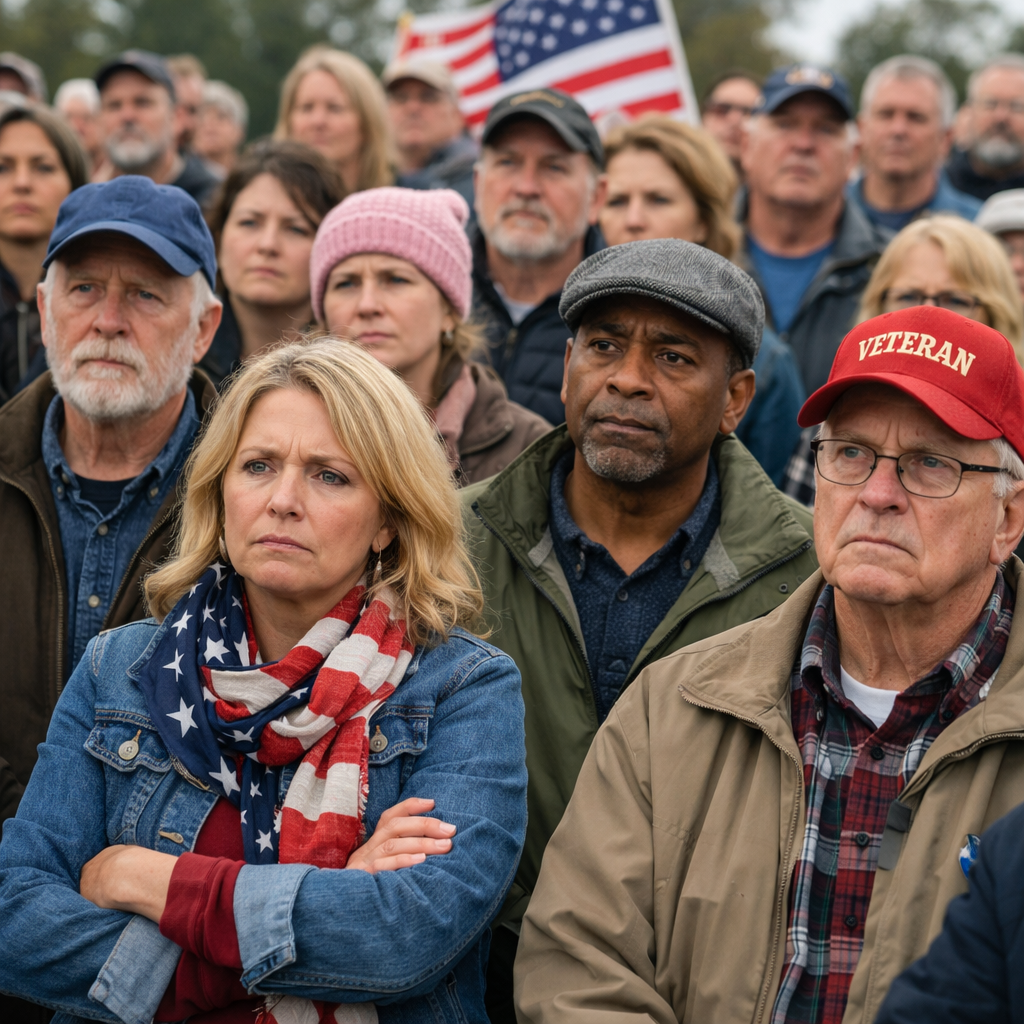
Nationwide, many Americans feel the economic ground has shifted—and not in their favor. Surveys conducted in mid-2026 reveal widespread concern over rising prices, low confidence in both Congress and the presidency, and a lack of clarity over which party can truly deliver solutions.
How people feel about the economy
Recent polling shows only about 1 in 4 adults nationwide describe U.S. economic conditions as “excellent” or “good,” with large portions saying things are just “fair” or “poor.” Among Republicans, that positive rating has dropped significantly compared to earlier in the administration. Inflation, particularly for healthcare, housing, food, and fuel, ranks among the biggest worries cited by voters across party lines. The cost of gas has surged as military conflict abroad rekindles pressure at the pump.
No clear advantage for either party
On many policy fronts—economics, AI regulation, foreign policy—Americans are nearly evenly split in which party they feel aligns more with their views. Some issues see neither party coming out ahead. A little over a third agree more with Democrats on economic policy, a nearly identical share say the same for Republicans. Meanwhile, a sizeable minority say neither party represents their perspective on matters like AI.
Leading concerns: Trust, institutions, and elections
Confidence in major political institutions is near record lows. Just a quarter of Americans hold favorable views of Congress at this moment. President Trump’s approval ratings, particularly related to the economy and cost of living, are slipping —including among those in his own party. Issues like election integrity, political accountability, and the role of money in politics are rising in importance, sometimes outranking policy details in shaping how people evaluate performance.
Implications for voters—and what to watch
With the midterm elections ahead, economic performance remains a central lens through which people are evaluating leadership. Consumer sentiment matters: even when data show modest growth, perceptions of inflation and affordability often dominate public outlook. Policy actions related to prices—not just economic growth—are likely to have outsized impact.
In short, Americans increasingly demand concrete relief. High prices and low trust have elevated the stakes beyond party rituals. For policymakers, the message is clear: more than promises, people want results.