

Author: Liam Anderson
Across the United States, two economic themes are consistently rising to the top of voters’ minds: inflation that refuses to fall quickly and interest rates that may still increase. These issues are shaping national policy debates, affecting household budgets, and influencing political dynamics going into the next elections.
Persistent Inflation and Consumer Sentiment
Despite progress since peak levels, inflation in many areas remains elevated. Key indicators show that while prices have eased for some goods, sectors like housing, healthcare, and energy continue to feel the squeeze. Rising costs in everyday essentials are fueling unease among consumers, even as paychecks try to keep up.
Recent surveys reveal that many Americans view the economy with concern. Top worries include the high cost of housing, healthcare, and basic goods. Even though the unemployment rate remains modest, people report financial strain due to changes in inflation and rate policies.
Federal Reserve Weighs Decision on Interest Rates
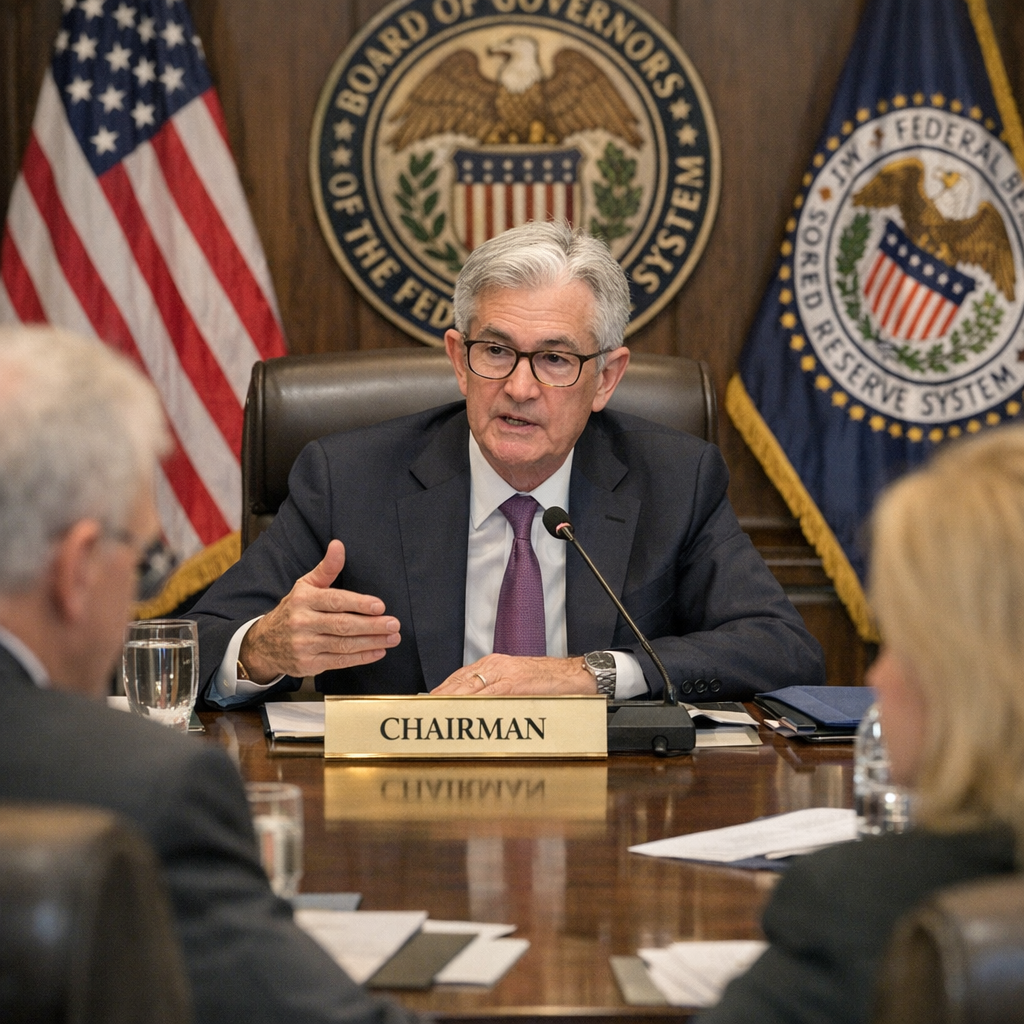
Federal Reserve Chair Kevin Warsh recently addressed these economic tensions during the annual Jackson Hole symposium. While inflation has narrowed somewhat, Warsh emphasized that underlying trends have not improved enough to assume rates are stable. Should price pressures persist, rate hikes are still on the table. This reflects the Fed’s balancing act: keeping inflation on course without stifling growth.
Economy Steady, But Uneven
On many metrics, the U.S. economy continues showing signs of resilience. The job market is holding steady and many sectors remain robust. Yet growth is not equally distributed. Rising interest rates weigh heavily on housing and sectors sensitive to borrowing costs, and real incomes are being squeezed for many households.
Political and Policy Implications
Inflation’s staying power is becoming a defining political issue. It increasingly dominates public concern and is being brought up in state and federal policy debates. How the next interest rate decisions play out could sway approval of current leaders and shape the landscape of upcoming elections.
In short: Americans are being asked to navigate a tightrope. The cost of everyday life is pushing up against economic indicators that still suggest some stability. Policymakers are watching closely—because what happens next matters for both wallets and politics.