

By Ava Peterson
The Rise of “Ambient” AI in Your Devices
You may have noticed your phone, smartwatch, or home assistant doing more without you asking: fixing your photos automatically, translating speech in real time, or predicting what app you’ll need before you open it. That’s ambient AI—software running quietly in the background, letting devices act more intuitively. Experts say this trend is now moving beyond novelty into a baseline of what consumers expect. Technologies like on-device voice transcription, image cleanup, and smart assistants are no longer optional; they’re becoming table stakes. [based on multiple trend reports]
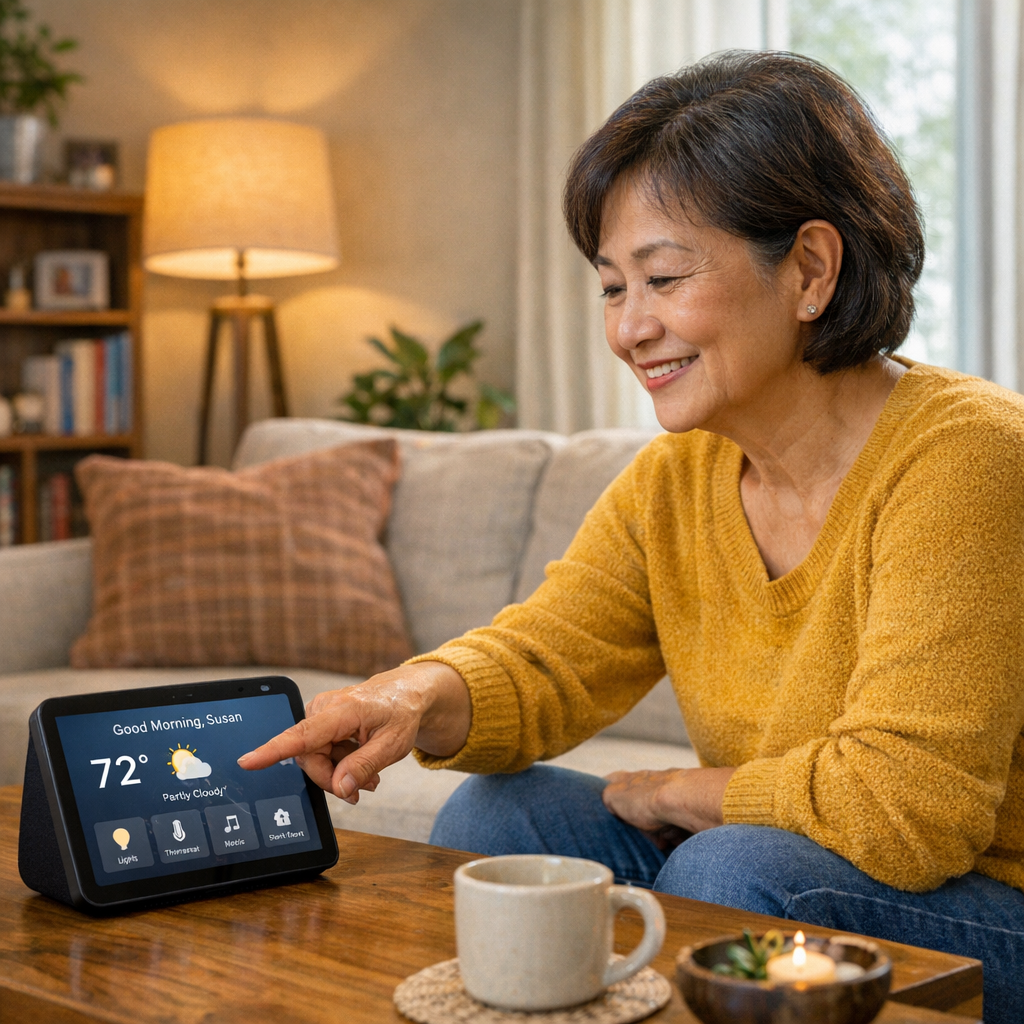
Smart Homes That Talk to Each Other
Gone are the days of a smart bulb or a smart thermostat working in isolation. 2026 has brought more interconnected smart living solutions: devices that sync across your living room, lights, locks, security cameras, and more, all controlled through unified apps or voice commands. In Inver Grove Heights, where weather swings and seasonal challenges affect homes, a cohesive system means energy savings, added safety, and less hassle when the power flickers or the snow hits your steps.
Wearables, Wellness, and What We Put On Our Bodies
Wearables have evolved well past step counts and sleep tracking. Now, devices are focused on health monitoring— things like heart rate variability, blood oxygen, and even stress indicators using AI-driven insights. Whether you’re a student balancing classes at ISD 199; a parent keeping tabs on a child with asthma; or someone trying to improve your fitness routine—what’s measurable and actionable matters. Reports show a sizable majority of consumers are willing to pay more for these features when they offer real utility. [from consumer tech trend data]
How These Shifts Affect Us Locally
Schools and Learning
In Inver Grove Heights, ISD 199’s instructional technology department emphasizes not just access to devices but how they’re used—how digital tools support hands-on learning, how student work is assessed, and how families participate. Meanwhile, new data from statewide youth surveys show patterns like frequent social media use, even late at night, among middle and high school students. Schools are increasingly involved in helping families understand healthy tech habits alongside academic tools. [based on district practices and student survey findings]
Buying Smarter, Not More Often
With prices rising on components and memory chips, consumer behavior is shifting. People are holding onto laptops and phones longer, upgrading only when a new device delivers a considerable speed or feature boost. It’s about value—not just novelty. Locally, this means when you see a gadget in a store around Inver Grove Heights, it’s smarter to ask: “Will this still feel useful in six months?” rather than just “Do I want it now?”
Privacy, Trust, and Responsible AI
The more our devices do behind the scenes, the more questions arise. Who sees your health data, voice recordings, or browsing history? Laws—like Minnesota’s move to ban the nonconsensual creation of AI-generated nude images—reflect growing concern over misuse of AI tools. Expect tech accountability to matter more in local purchasing and in how businesses handle your data. [reflecting recent legal and legislative activity]
What You Can Do Today
- Audit your smart devices: disable features you don’t use or trust.
- Check device update policies (how long your device will get security or feature updates).
- Teach kids about balance—screen usage, social media habits, and digital consent.
- Buy with intention. Consider durability, support, and whether the “smart” feature actually improves your life.
Technology in 2026 is less about wow and more about care. In Inver Grove Heights, we’re seeing the difference when tech serves community needs: smarter homes, healthier choices, safer learning, and more mindful consumption. The future doesn’t mean more—it means better.