

Inver Grove Heights is no stranger to the ever-changing rhythms of Minnesota weather—from frigid winters to humid summers. But as statewide trends show, our climate is shifting in ways that go beyond the usual seasonal variation. This piece looks at what those changes are, how they affect us locally, and what residents and the city can do to adapt.
Statewide Climate Shifts That Touch Our City
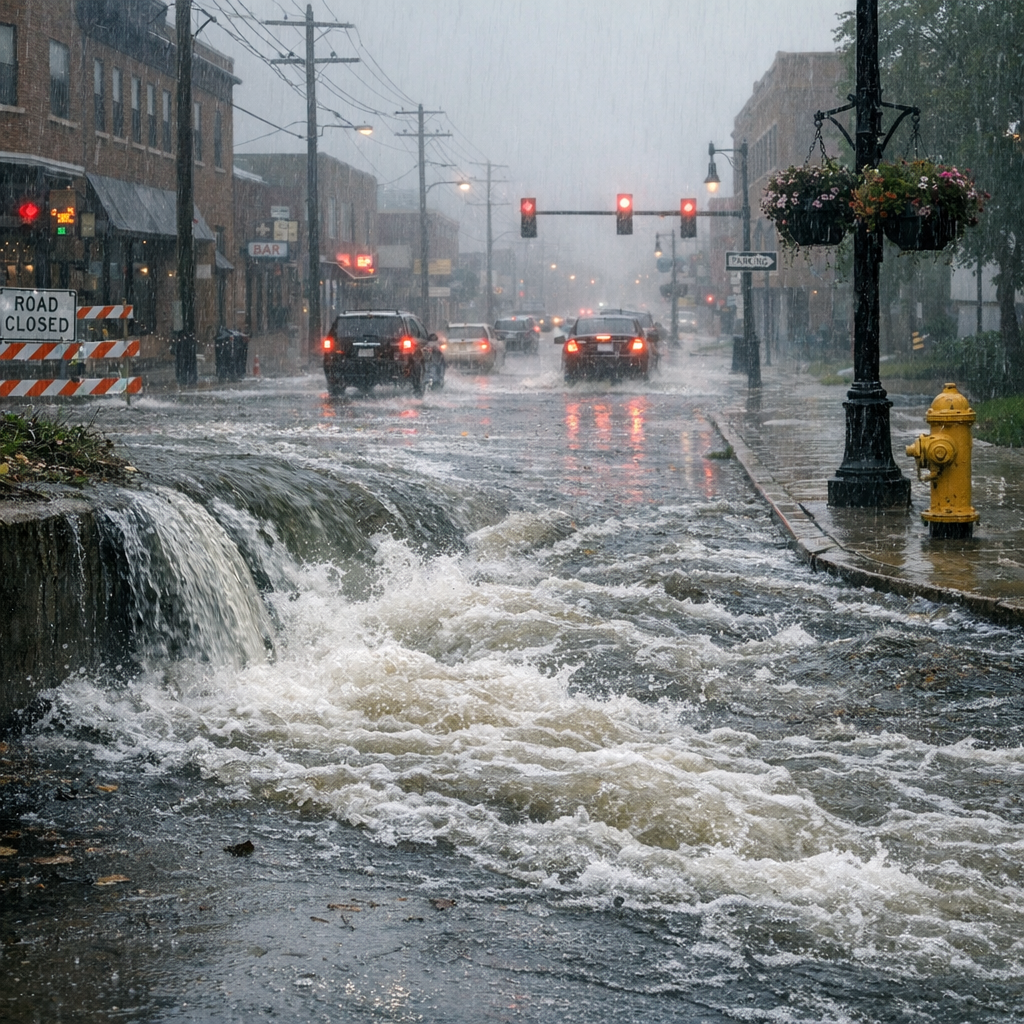
Winter in Minnesota has warmed more than summer over the last century. The coldest months are showing the greatest temperature gains, especially when it comes to overnight lows. In many recent winters, extreme cold spells—ones that used to drop below –25 or –35°F—have become much less frequent. Overall, the state has warmed by roughly 3 to 3.5°F between 1895 and 2025, with increased precipitation being part of the trend. Storms that dump heavy rainfall over short periods are more common than they used to be.
These are not predictions—they’re changes already in motion. Spring and winter are getting wetter, while summers may bring more intense rain but also longer stretches of dryness. Snow seasons are contracting, with fewer snow-covered days and earlier melting in many areas.
What That Means for Inver Grove Heights
Water Management Challenges
With more frequent heavy downpours, runoff becomes a bigger threat. The city has over 630 lakes and wetlands and borders the Mississippi River—features that are vulnerable when stormwater systems are overwhelmed. In response, Inver Grove Heights adopted a new 5th Generation Water Resources Management Plan in April 2026, which will guide stormwater planning and watershed protections through 2036.
A key point: what starts on driveways, lawns, and streets often ends up in lakes or rivers. Stormwater pollution from runoff—soil, fertilizer, pet waste—can degrade water quality significantly.
Shifting Seasons and Everyday Impacts
Longer growing seasons bring advantages and challenges. Warmer springs allow gardens and crops to start earlier but can also bring earlier emergence of pests and invasive plants. Shorter winters mean less snow cover, affecting ecosystems and winter-based recreation alike.
Heatwaves are still rare compared to southern climates, but nights are warming—and that can increase discomfort in summer and tax energy systems, especially for those relying on air conditioning. Warm winters can reduce heating costs, but also impact tasks that depend on consistent cold, such as ice fishing or snowmobiling.
What We Can Do—Locally and Individually
Many of the needed changes are already underway at the city level. From the city’s comprehensive plan, which includes preserving wetlands, protecting open space, and careful zoning in developing neighborhoods, to stormwater policies designed to limit flooding and maintain water quality.
As residents, we can pitch in too:
- Use rain gardens or rain barrels to reduce runoff.
- Minimize fertilizer, pick up pet waste, and keep leaves out of storm drains.
- Choose native plants—they’re better suited to local soil and climate conditions.
- Stay informed through city meetings and environmental advisory sessions.
Looking Ahead
Inver Grove Heights has both resilience and responsibility. As statewide climate trends continue to evolve, so too will how we plan, build, and live. By embracing adaptive practices now, we can safeguard our water, our ecosystems, and the quality of life that defines our community.