

By James Larson
Temperature Trends You’ll Notice
Over time, Minnesota has warmed by roughly 3–3.5°F since the late 19th century. Most of that increase has come during winter months and overnight lows. In fact, Inver Grove Heights is seeing fewer brutally cold nights and less extended snow cover than past generations saw. These changes affect snow accumulation, ice cover on ponds, and how we layer up on winter mornings.
Precipitation: More Water in the Sky, More Surprises on the Ground
Annual rainfall is rising across Minnesota. Not only is there more total precipitation now than a century ago, but we’re also getting heavier downpours and more intense thunderstorms. These shifts mean more frequent flash flooding risks—especially near creeks, low-lying roads, and poorer drainage areas in and near Inver Grove Heights.
Spring vs Summer Patterns
Spring tends to be wetter and more changeable, with storms that dump a lot of water in short timeframes. Summer, while still wet overall, can see sharper swings: dry spells punctuated by severe storms. That makes gardening, lawn care, and outdoor planning tougher, since soil moisture and heat stress fluctuate more unpredictably.
Effects on Ecosystems, Wildlife, and Health
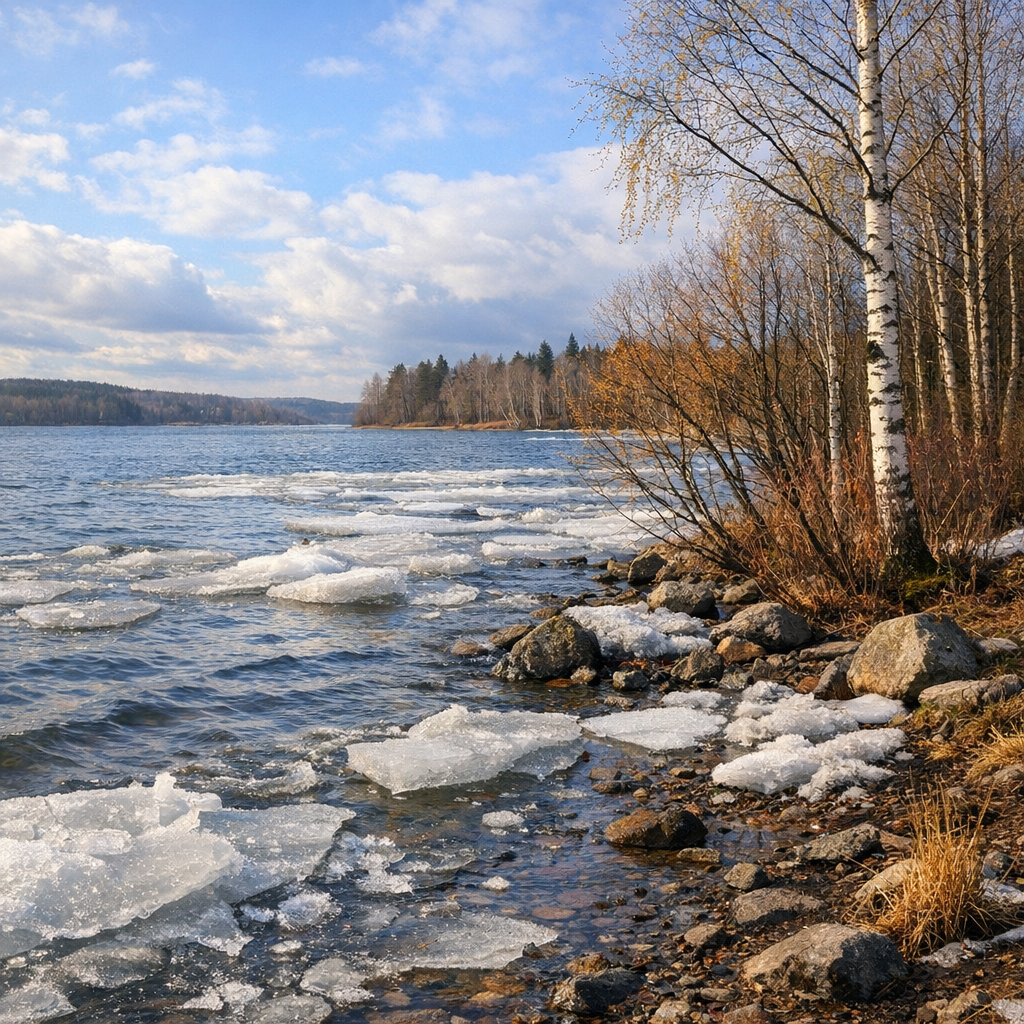
Warmer temperatures and shifting seasons are influencing everything from bird migration to plant blooming. Species that once thrived only farther north are extending their ranges, while native plants adapted to colder winters are under stress. Ice-on and ice-off dates on lakes are shifting: ice forms later in fall and melts earlier in spring.
In terms of human health, changes in precipitation and temperature are expanding allergy seasons and increasing risks related to air quality. Warmer, moist conditions can lead to more algae blooms in lakes and ponds, which in turn impact recreational use and fish. Also, warming winters allow insect species like ticks and mosquitoes to stay active longer, carrying risks for disease.
Looking Ahead: What This Means for Inver Grove Heights
- Stormwater & flooding: Infrastructure like storm drains and retention ponds may need upgrades to handle heavier rains.
- Gardening & landscaping: Consider native species that can tolerate more variable moisture, warmer winters, and heat waves.
- Public health preparation: Awareness of vulnerable residents, cooling centers for heat waves, and monitoring of water safety become increasingly important.
- Wildlife & habitat planning: Local parks and green spaces could support new species—but also must protect those relying on historically longer, colder winters.
What You Can Do
At home, small steps make a difference: rain gardens to reduce runoff, planting shade trees, sealing air leaks to save energy. Community-wide, supporting wetlands, updating zoning and building codes to account for stormwater, and being active in conversations about climate adaptation can all help.
Inver Grove Heights’ changing weather is part of a larger shift, but it’s not beyond our ability to adapt. Recognizing change, planning ahead, and building greener systems will help ensure that our city remains resilient—even as the seasons we grew up with start to look a little different.