

By Ava Peterson
Technology isn’t just something in Silicon Valley anymore—it’s in your pocket, on your wrist, even in your toothbrush. In Inver Grove Heights, that means AI-powered devices are becoming everyday helpers: things that simplify chores, enhance health, and transform routines.
Hidden AI everywhere
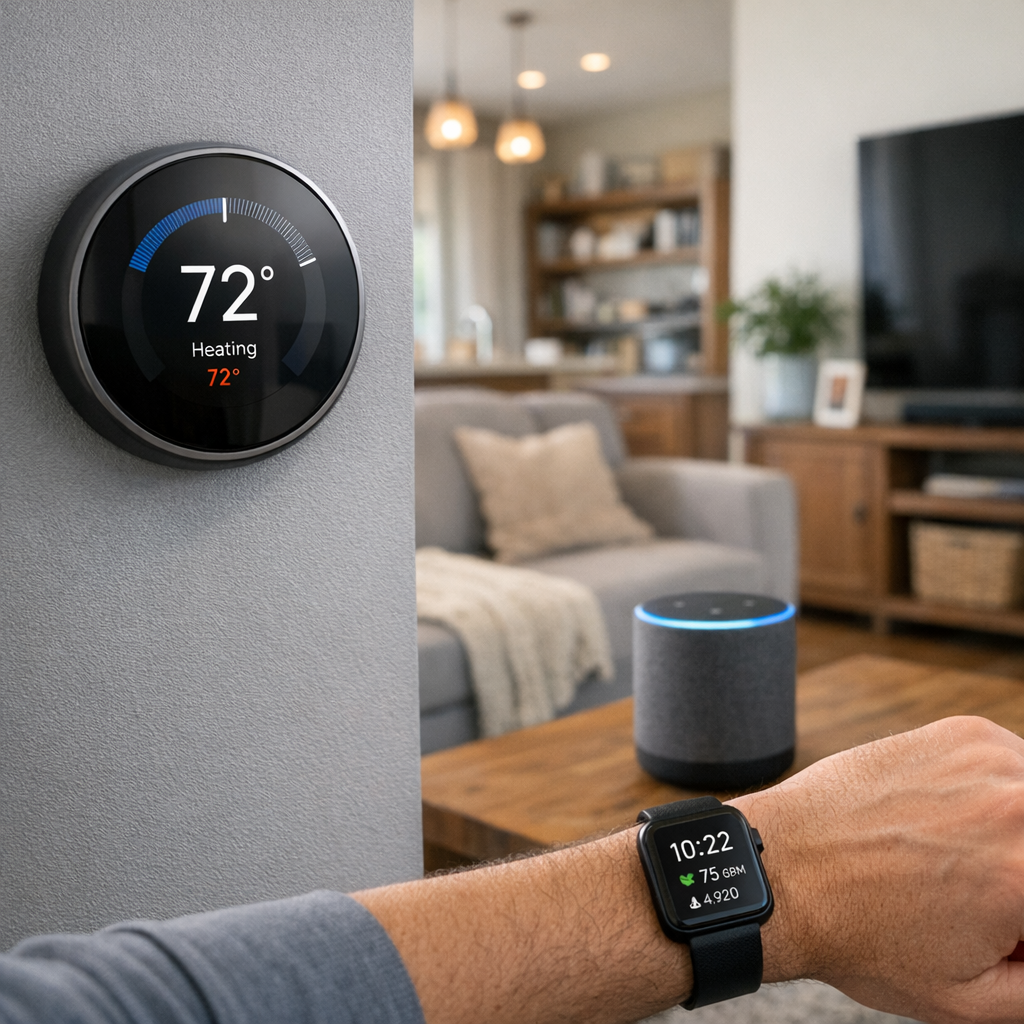
Your phone already uses embedded AI: scene detection, portrait blur, spam filtering. These features work behind the scenes to improve photos, protect you from phishing, or sort your inbox better. The trend now is for more devices to do something similar—operate without constant cloud access, learn your habits, and make adjustments automatically. Edge-AI makes this possible. Products like smart thermostats, motion-sensing security cameras, and smarter kitchen appliances adapt to what you need—not what someone else programmed. (Examples from recent device reviews.)
Devices reshaping routines
If you wear a smartwatch or a fitness band, you may already see AI in action: fall risk alerts, recovery advice, even night-mode sleep tracking. Other gadgets are increasingly useful in surprising ways—earbuds that transcribe meeting notes or conversations in real time, toothbrushes that detect plaque with small built-in cameras, pet feeders that recognize individual animals. For many households in the Twin Cities suburbs, these tools reduce small daily frictions.
Mind the trade-offs
With convenience comes responsibility. Users are asking more questions about privacy, battery life, and subscriptions. Is my device processing data locally or sending it to distant servers? Will I need to pay monthly just to keep its “smart” functions? These concerns matter—especially with children, shared family devices, or healthcare-adjacent gadgets.
Impact locally and choices that matter
In our community, tech adoption tends to follow utility and cost. If a gadget saves time, reduces utility bills, improves health outcomes, or fits into existing routines, people are more likely to try it. Libraries, schools, and local businesses can also play meaningful roles: offering workshops, reviewing privacy policies, helping residents evaluate what’s worth their money.
As AI gadgets move from novelty to necessity, folks in Inver Grove Heights stand to gain—if they choose selectively, demand transparency, and prioritize usefulness. The future isn’t about flashy features; it’s about smarter everyday living.