

By Olivia Johnson
From remote farms in the Sahel to crowded refugee camps in the Middle East, a rising global food crisis transcends borders and demands attention—not as a momentary emergency but as a long‐term emergency with complex roots.
The three forces driving global hunger
1. War and instability
Armed conflict remains the single largest driver of acute food insecurity. In many countries, ongoing violence disrupts farming, destroys infrastructure, and cuts off humanitarian aid access. Regions such as the Middle East and parts of sub‐Saharan Africa face famine or the risk of it—many more live with sharp food shortages due to conflict. Governments and international organizations say without peace, food security efforts remain undermined.
2. Climate shocks and environmental change
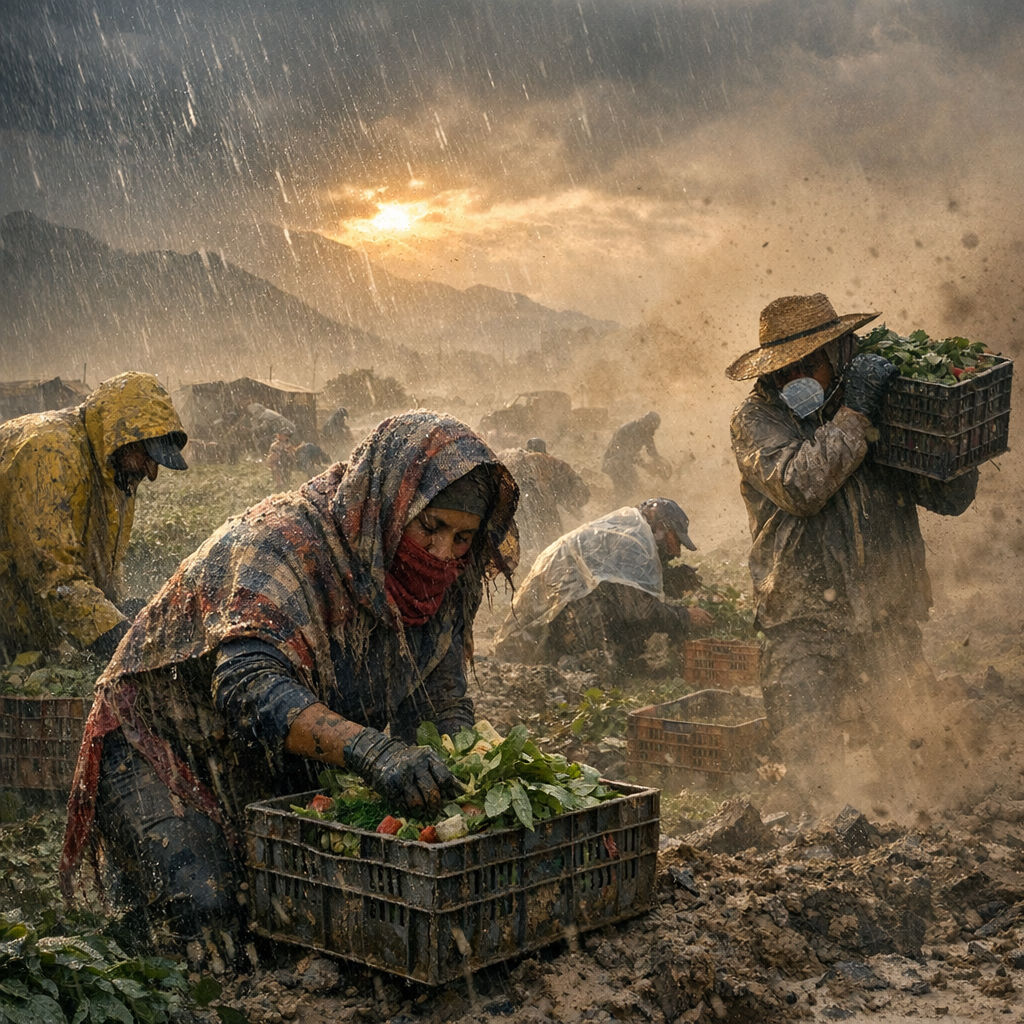
Heat waves, irregular rainfall, prolonged droughts, and other climate extremes are becoming more frequent and harsh. These events damage crop yields and erode soil health, especially in rural areas dependent on rain‐fed agriculture. As weather patterns shift, food production becomes less predictable—and populations poor of resources suffer the most.
3. Economic strain and unstable supply chains
Rising costs for food, fuel, and fertilizer squeeze both producers and consumers. Conflicts in key maritime or farming zones disrupt supplies; inflation reduces purchasing power; and gaps in humanitarian funding leave millions without assistance. These stresses heighten vulnerability in nations that already depend heavily on imports and fragile infrastructure.
Connecting the dots: ripple effects everywhere
Though the crisis is concentrated in vulnerable regions, its effects extend globally. Disruption in one place—say, a port closure or failure of fertilizer supply—can send shock waves through international food and commodity markets. Even in wealthier countries, people feel the strain from higher prices and less variety.
Meanwhile, climate migration—people leaving areas made unlivable by drought, floods, or degradation—is becoming increasingly common. Local, regional, and national leaders worldwide are exploring ways to adapt and protect both food systems and human mobility.
What local action and policy can achieve
Efforts to increase resilience take many forms: supporting smallholder farms in vulnerable regions; investing in climate‐smart agriculture; rebuilding or fortifying supply chains; improving forecasting and early warning systems; and securing funding to scale up aid and infrastructure.
At the global level, cooperation is essential—peace agreements, trade policies that reduce disruptions, equitable supply of inputs like fertilizer, and shared knowledge on sustainable practices. Without these, the world risks plunging more communities into long‐term food deprivation.
If you’re in Minnesota—or anywhere—these global systems affect our choices too: what we buy, how we waste, how we support local and global aid. Understanding these forces can help us push for policies that make food more secure for everyone.