

Hi neighbors—I’m James Larson, bringing you insights on how our weather and environment are evolving here in Inver Grove Heights, and what that means for all of us.
Warmer Winters & Less Reliable Snow Cover
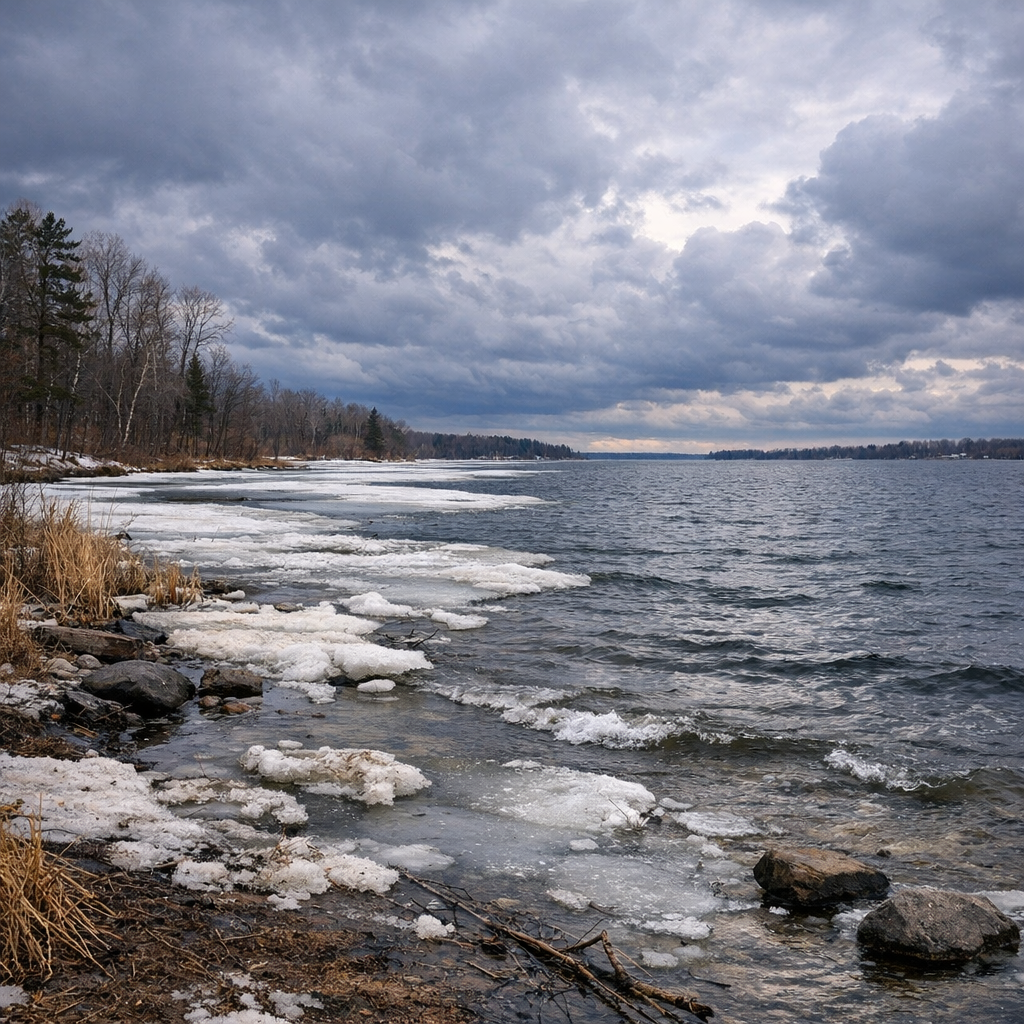
Across Minnesota, winters are getting noticeably milder. Average annual temperatures have increased by around 3.0–3.4 °F since the late 19th century. Winter lows are rising even faster—observations show winter minimum temperatures rising twice as quickly as summer highs. This means fewer nights below zero, shorter stretches of continuous snow cover, and snow that melts and refreezes more often.
Shifting Rainfall & Wetter Extremes
Rain isn’t doing what it used to. Heavy precipitation events—storms that dump a lot of rain in short periods—have become more common. While our total annual rainfall has ticked up a few inches overall, the increase isn’t evenly distributed—spring and winter tend to see heavier precipitation, while summer may feature more dry spells.
Impacts on Local Water & Landscapes
Because of these shifts, our lakes, rivers, and wetlands are feeling the strain. For example:
- Stormwater runoff is more intense. When we get heavy rain, the systems that channel water from roofs, roads, and yards get overwhelmed. Inver Grove Heights has recognized this and adopted its 5th Generation Water Resources Management Plan to guide land planning and watershed protection through 2036.
- Flood risk is evolving. More rain over shorter timeframes means a greater chance of flash floods, especially in low areas or places where water drains poorly.
- Environmental health concerns are rising. Wetter winters and changing ecosystem patterns can lead to issues such as mold in buildings, ice dam formation, and even shifts in pest populations and plant phenology—that’s when plants bud or bloom earlier or later than they used to.
What You Can Do Locally
Weather changes are big, but small actions add up:
- Be watershed smart—divert roof runoff using rain gardens, swales, barrels, or properly directing downspouts.
- Maintain your trees and consider planting native species—those adapted to local soil and seasonal variables tend to fare better with changing conditions.
- Use less salt on sidewalks and driveways. Overapplication can run off into streets and lakes, harming aquatic systems.
- Stay engaged: Inver Grove Heights’ Environmental Advisory Commission meets regularly to review wetland permits, land-altering plans, and to advise on development that affects our greenspace.
What’s Ahead
Looking forward, projections indicate that this warming trend will continue—and likely accelerate—especially in winter. Expect fewer days with consistent snow cover, more freeze-thaw cycles, and greater variability in rainfall. As these changes solidify, they’ll affect everything from home maintenance costs to what we plant in our yards, and how we plan around water.
While climate-level shifts are large, our ability to adapt on local scales matters. Appreciating how Inver Grove Heights is changing gives us a chance to respond with smart planning—and keep our community healthy, green, and resilient.