

By Olivia Johnson
Global development data continue to show that while centuries-long declines in extreme poverty have brought significant improvements, progress has slowed markedly in recent years. The dual threats of conflict, climate disruption, and inequality are creating persistent headwinds. Here’s what the latest global trends reveal—and what implications they hold.
Extreme poverty rates are falling, but not fast enough
Currently, about one in ten people worldwide—around 826 million—live in extreme poverty, defined as surviving on less than $3.00 per day in purchasing-power terms. This reflects only a modest decline since 2015 and places the 2030 goal of eradicating extreme poverty out of reach if current trends remain unchanged. Much of the burden is concentrated in sub-Saharan Africa and in fragile or conflict-affected countries. Working poverty remains particularly high among young people in these regions.
Food insecurity remains a global crisis
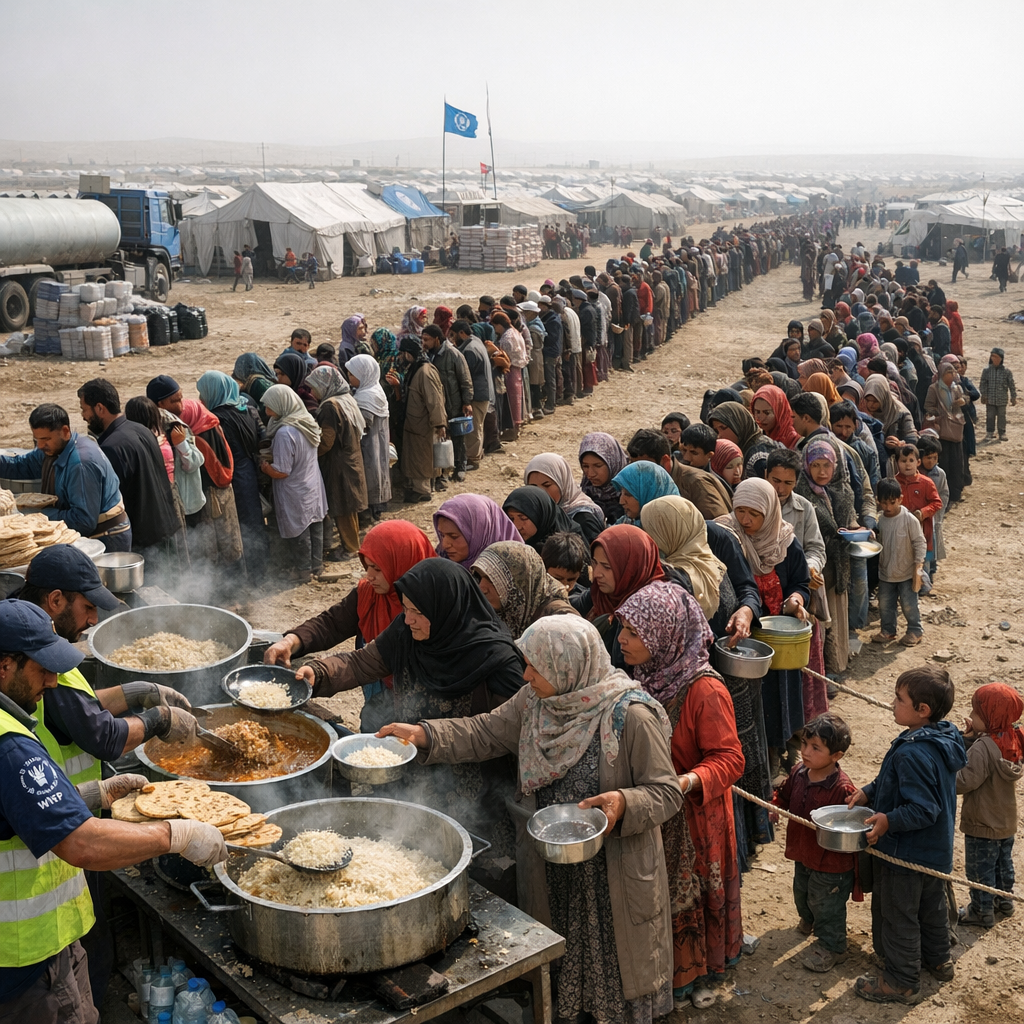
Hunger affected an estimated 645 million people in 2025—nearly 8% of the world’s population. More broadly, moderate or severe food insecurity, which encompasses people who must skip meals or consume less nutritious food, now affects roughly one quarter of all people globally. The highest rates of food insecurity are found in Africa, especially sub-Saharan regions, where over half the population can’t reliably access healthy food.
Where progress is faltering—and where it’s possible
Poverty reduction has decelerated most sharply in regions with ongoing conflict, limited governance capacity, or recurring climate shocks. For example, sub-Saharan Africa and the Middle East/North Africa region, including Afghanistan and Pakistan, are projected to still harbor a large share of the global extreme poor in 2030. In contrast, countries in East and South Asia have seen more consistent gains. Although more nations are expanding social protection systems, many vulnerable groups—such as the unemployed, informal workers, mothers with newborns, and people with disabilities—remain largely excluded.
Global goals need renewed urgency
The Sustainable Development Goal of ending extreme poverty by 2030 requires a sharp shift in strategy. Priorities include increasing investments in social safety nets, improving access to education and healthcare, fostering stable governance, and reducing vulnerabilities to climate change. Experts estimate ending extreme poverty may require investment equivalent to less than one‐third of one percent of global GDP—achievable with broad international cooperation.
What Inver Grove Heights readers should know
Though the data may seem distant, the effects of these global trends reverberate locally through increased migration pressures, global price fluctuations (especially for food and energy), and shared moral responsibility. As citizens, staying informed and supporting policies that address root causes—both domestically and abroad—helps build a more stable, equitable world.
In the years ahead, whether the global community will meet its commitments will depend on how swiftly nations can rally resources, tailor aid to the hardest-hit, and ensure resilience in a rapidly changing world.