In our interconnected world, global events often have significant repercussions on local economies, including here in Minnesota. Recent international developments have underscored this reality, affecting various sectors across the state.
Economic Impact of International Sporting Events
Hosting international sporting events can provide substantial economic benefits to local communities. For instance, the 2026 IIHF World Junior Championship, held in the Twin Cities, generated $71.5 million in total economic activity. This influx was driven by increased tourism, job creation, and heightened global visibility for Minnesota. Such events not only boost the hospitality and service industries but also foster a sense of community pride and international camaraderie.
Cultural Festivals and Global Engagement
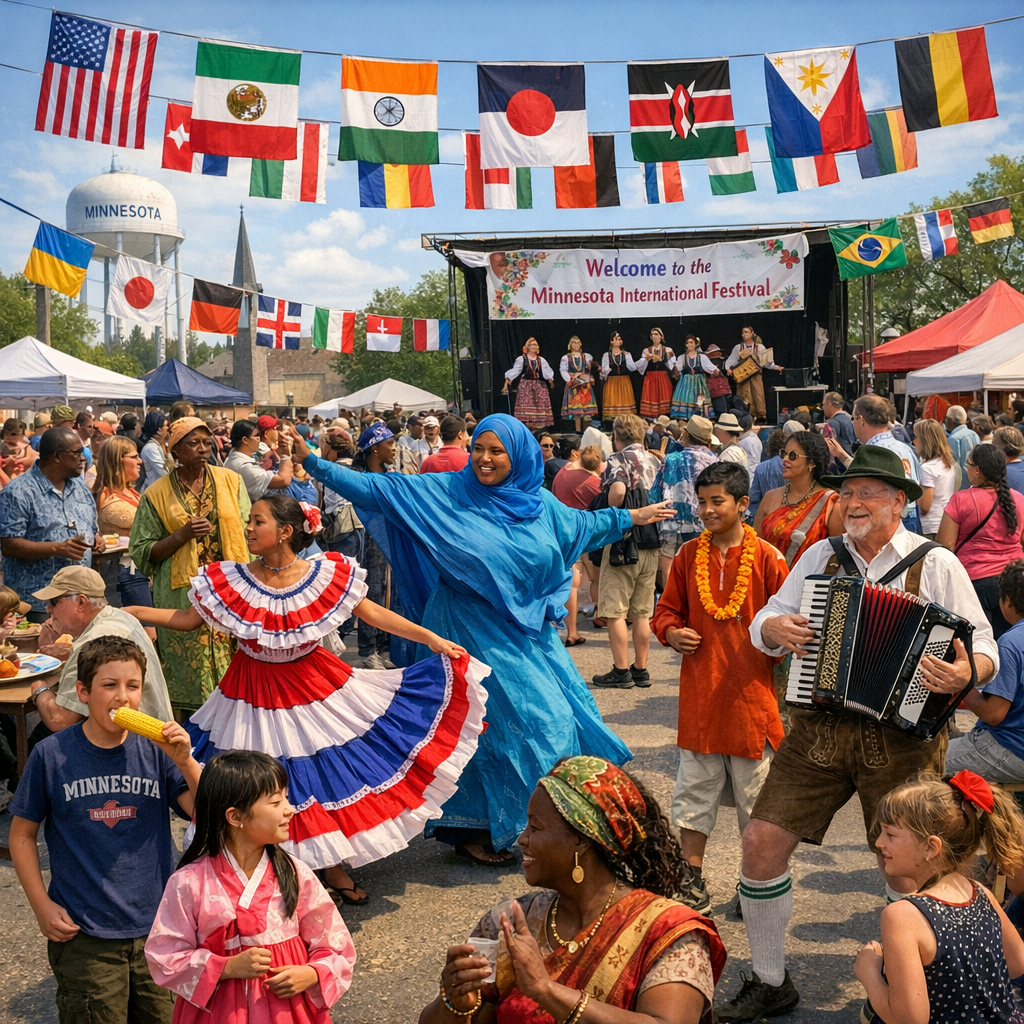
Cultural festivals serve as a bridge between local communities and the global stage. The International Festival of Minnesota, formerly known as the Festival of Nations, is a prime example. Scheduled for April 10–11, 2026, at the Saint Paul RiverCentre, the festival will feature participation from 67 nations and ethnic communities. Attendees can experience global cuisine, artisan goods, and diverse music and dance performances. Events like these celebrate Minnesota’s cultural diversity and strengthen global connections, enriching the local cultural landscape and promoting inclusivity.
Immigration Policies and Local Economies
Federal immigration policies can have profound effects on local economies. The recent surge in Immigration and Customs Enforcement (ICE) activities in Minnesota, known as Operation Metro Surge, has led to significant disruptions. Reports indicate that the hospitality industry in Minneapolis experienced serious disruptions, with events being canceled or moved, and businesses facing reduced customer traffic. Such enforcement actions have created an atmosphere of fear and uncertainty, impacting not only immigrant communities but also the broader economic stability of the region.
Community Response and Resilience
In response to these challenges, Minnesota communities have demonstrated resilience and solidarity. Organizations like Global Minnesota have been instrumental in fostering dialogue and understanding through events and educational programs. Their efforts aim to connect Minnesotans with global issues, promoting informed engagement and cultural exchange. Additionally, local businesses and community leaders have advocated for policies that balance security concerns with economic and social well-being, emphasizing the importance of a welcoming and inclusive environment.
Understanding the interplay between global events and local economies is crucial for communities like Inver Grove Heights. By staying informed and engaged, residents can better navigate the challenges and opportunities presented by our interconnected world.