In an increasingly interconnected world, global events often have direct and profound effects on local communities. Minnesota, with its diverse population and robust economy, is no exception. Recent international developments have significantly influenced various aspects of life in the state, from economic performance to social cohesion.
Economic Impacts
Global trade dynamics have notably affected Minnesota’s economy. In the second quarter of 2025, the state experienced a $1.3 billion decline in exports, marking a 19% decrease compared to the same period in 2024. This downturn was largely due to a significant drop in mineral fuel and oil exports to Canada, which fell by 96%, amounting to a $703 million reduction. Such declines underscore the state’s vulnerability to international market fluctuations and trade policies.
Additionally, the hospitality industry in Minneapolis faced serious disruptions during a surge in federal immigration enforcement activities. The presence of federal agents led to widespread protests and a decrease in downtown foot traffic, resulting in the cancellation or relocation of numerous events, including graduations, conferences, and concerts. This situation not only affected local businesses but also highlighted the broader economic repercussions of federal policies on local communities.
Social and Cultural Impacts
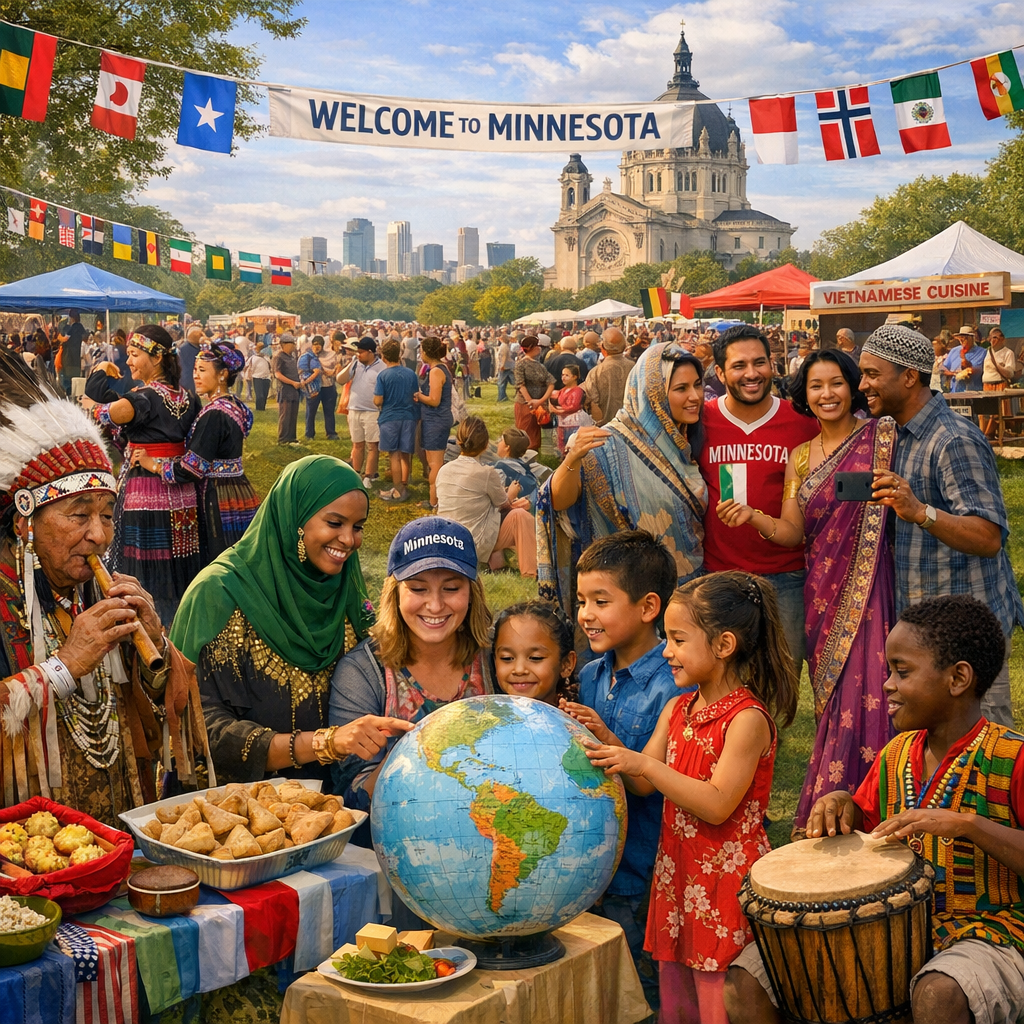
Beyond economic consequences, global events have also influenced Minnesota’s social fabric. The state’s rich cultural diversity is celebrated through events like the International Festival of Minnesota, formerly known as the Festival of Nations. After a seven-year hiatus, the reimagined festival returned in April 2026, featuring participation from 67 nations and ethnic communities. Such events play a crucial role in fostering cross-cultural understanding and unity, especially in times of global uncertainty.
However, increased federal immigration enforcement has created fear and uncertainty among immigrant communities. Reports indicate that many individuals are afraid to leave their homes, attend school, or seek medical care due to the presence of federal agents. This climate of fear not only affects the well-being of individuals but also challenges the social cohesion and inclusivity that Minnesota strives to uphold.
Community Responses
In response to these challenges, Minnesota communities have demonstrated resilience and solidarity. Organizations like the Minnesota Immigrant Rights Action Committee (MIRAC) have continued their tradition of standing up for immigrant and worker rights, organizing events such as May Day rallies to advocate for justice and equality. These efforts reflect the state’s commitment to supporting all residents, regardless of their background, and addressing the local impacts of global events.
Understanding the interplay between global events and local realities is essential for fostering resilient and inclusive communities. By staying informed and engaged, Minnesotans can navigate the challenges posed by international developments and continue to build a vibrant and cohesive society.