

By Ava Peterson
Living in Inver Grove Heights, it’s easy to think of artificial intelligence (AI) as something distant—a Silicon Valley concept, a high-tech futuristic gadget. But the reality is AI already plays a big role in our daily lives, often without us realizing it. Below are examples of how AI and smart technologies are quietly impacting routines at home, in shops, on the road, and in health.
Smart Devices at Home
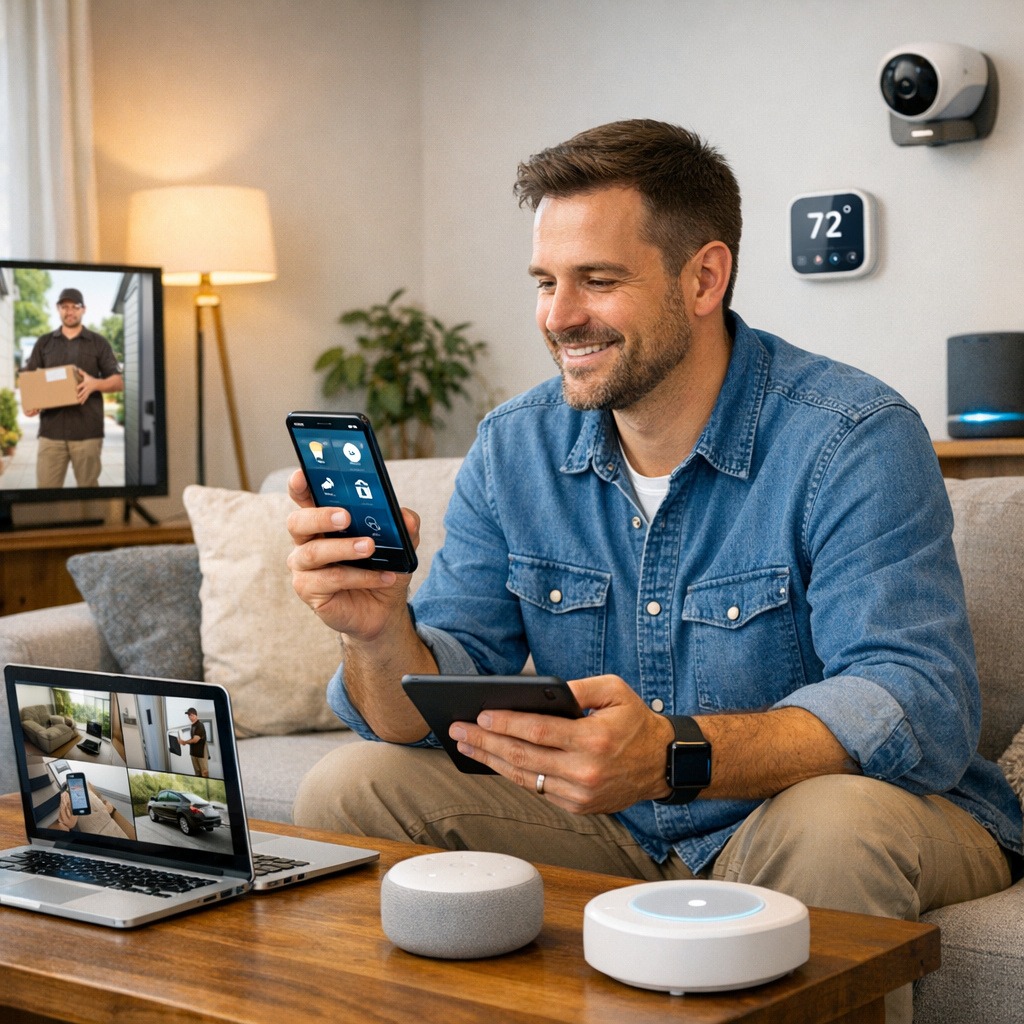
If you own a smart speaker, use your phone to control lights or set the thermostat remotely, you’ve embraced AI. Voice assistants like Siri or Alexa use natural-language understanding to interpret commands. Smart home systems learn your preferences over time—turning on certain lights, warming up rooms, or playing music according to what you often ask or when you’re home.
Even smaller devices benefit: security cameras that alert you to “people vs animals,” robot vacuums that map your floor plan, or AI-powered thermostats that adjust heating and cooling based on your schedule. These tools don’t require advanced tech skills—yet they save energy, reduce chores, and make your living space more responsive.
On the Go: Travel, Shopping, and Routines
When driving or commuting, AI makes estimating travel times more accurate by crunching live data from many users. Apps can suggest alternate routes to avoid traffic and sometimes change based on weather or events nearby. These systems are adaptive—learning patterns of congestion and predicting what happens before you even hit the road.
In stores and online, AI drives product recommendations. The items that show up on your phone or email aren’t random—they’re selected based on what you’ve purchased, what similar people liked, and what’s trending. Check-out lines, inventory restocking, and even promotions are informed by AI models studying behavior in local communities.
Health, Wellness, and Personal Services
Wearables like fitness trackers and smart watches collect data daily—heart rate, steps, even sleep quality—and AI tools help interpret that data to suggest goals, workouts, or naps. Some apps analyze photos to spot skin irregularities, detect sleep disturbances, or remind you of medical appointments.
And in professional settings, clinics or providers may use AI diagnostics: systems that help assess imaging, flag abnormal lab results, or offer decision support for treatment plans. While these tools complement medical professionals (not replace them), they can help with early detection or personalized care.
Balancing Benefits and Concerns
With all this convenience, it’s worth asking: what are we giving up? Privacy is one concern. When devices collect location, health, or voice data, questions about where that data goes and who uses it become real. Trust in how AI interprets sensitive information is essential.
Equity matters too. Not all gadgets or smart services are affordable or accessible. Ensuring local infrastructure—fast internet, reliable power—is key for everyone to benefit. Policies and business practices that protect consumers and transparency will help communities like ours harness AI’s advantages without leaving anyone behind.
Where Inver Grove Heights Fits In
In our city, many people already use AI tools every day—checking weather-driven alerts, using navigation apps, buying through online recommendations, or relying on fitness trackers. Local businesses can integrate simple AI tools—chatbots, inventory forecasting, customer feedback systems—to improve service and operate more efficiently.
As AI becomes more common, we can expect it to shape how we shop, how we stay healthy, and how our city services run. Being aware of how AI works—its power and its limits—is the first step in ensuring it improves life in Inver Grove Heights responsibly.