

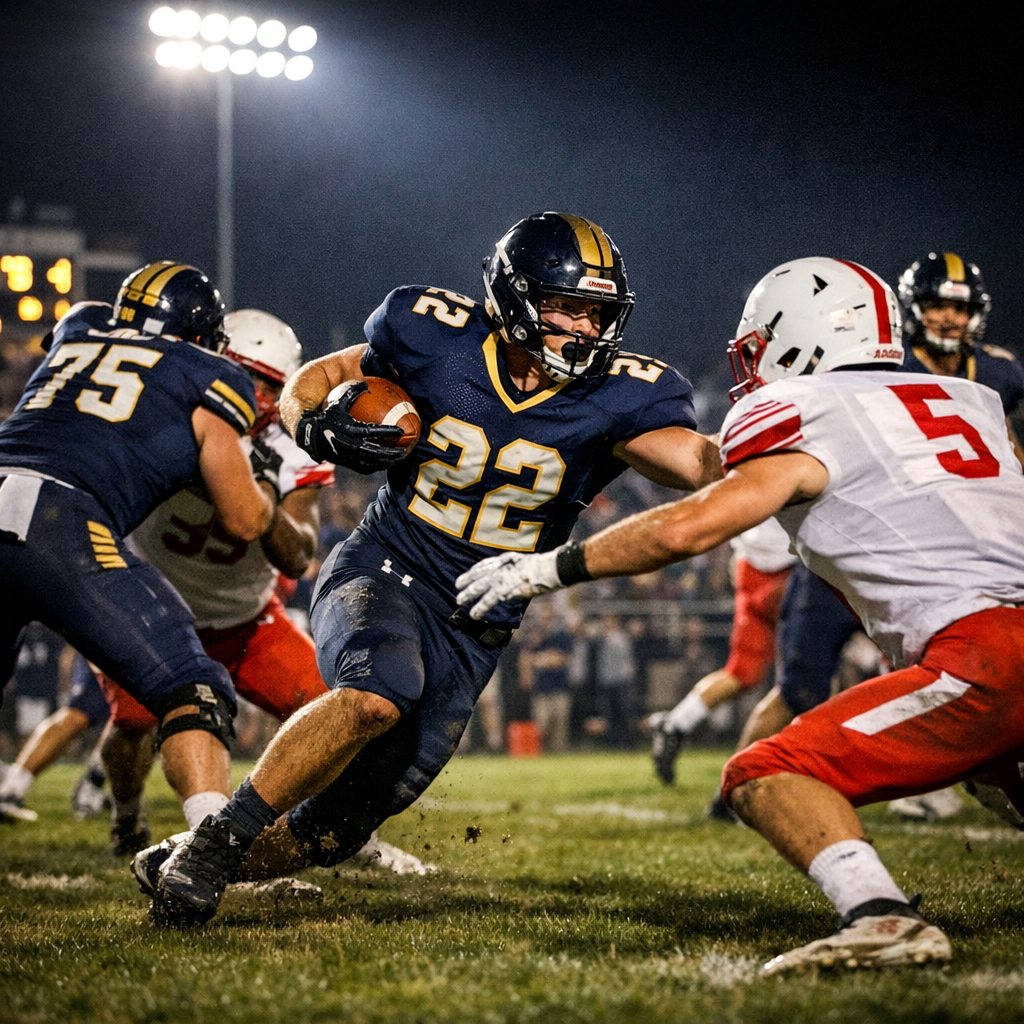
When people in Inver Grove Heights cheer on the Simley Spartans, whether at a football game, cross country meet, or any high school competition, they’re part of something far bigger—amid a national landscape where college sports are in serious financial flux.
Probing the Finances of College Sports
In recent months, the U.S. Government Accountability Office revealed that nearly 94% of Division I college athletic departments spend more than they make. That gap—averaging over $20 million in the 2023–24 academic year at many institutions—is covered through tuition revenue, student fees, and other university support. Big revenue streams such as television rights, ticket sales, and donations do help, but they don’t cover expenses for a majority of sports programs. Schools increasingly create nonprofits and seek creative funding strategies to justify those mismatches between cost and income.
(AP, GAO reports)
One law—still developing—is the revised Protect College Sports Act, which seeks to reshape Name, Image & Likeness (NIL) rules and athlete compensation. Its latest draft could allow schools to share even more money with athletes, especially in larger conferences like the Big Ten and SEC, putting pressure on schools to find even more revenue.
(AP coverage)
What National Trends Mean at the Local Level
Simley High School doesn’t wrestle with multimillion-dollar TV contracts. Yet the Spartan athletics experience overlaps with large-scale shifts in meaningful ways. As costs go up in travel, equipment, coaching staff, and facilities, even high school programs feel the budget pinch. Every layer—youth leagues, ISD 199 middle and high schools—relies on boosted fundraising, parent volunteers, and community support.
Already, Simley Athletics offers dozens of sports and activities year-round. Participation requires physicals and sometimes fees, but reductions are available for families with need. ISD 199 and Inver Grove Heights schools also live by traditions of inclusion—like free admission for those 60+ at many home events, senior previews for shows, and a broad slate of youth programming through parks and recreation.
(ISHD 199 Activities, Simley High School details)
Local Stories & Spartan Pride
- The Spartans’ cross country team is ramping up its meet schedule for the fall—from early invitational meets through the Metro East Conference Championship and onto the Minnesota State High School Cross Country Championships.
- Simley’s football program remains a cornerstone of community life, with strong attendance, youth camps, and a booster club helping bridge gaps in funding and morale.
- Simley High School also holds academic metrics in high regard: graduation rates exceed state averages, many students take college or career classes, and a culture of student engagement extends far beyond the playing fields.
Building Resilience: How Our Community Can Help
What happens at large universities echoes here—especially around resource scarcity. Fortunately, there are steps that go a long way:
- Supporting booster clubs, local fundraising efforts, and youth sports registration fees helps keep fields, uniforms, and equipment up to date.
- Volunteer coaches, administrators, and parents are the backbone of middle and high school programs—helping balance costs in important ways.
- Ensuring that eligibility and physicals are completed early in the season can reduce unnecessary fees and improve access.
- Advocating for school board and city-level decisions that prioritize inclusion and affordability—free tickets for seniors, fee waivers, scholarship opportunities—reinforce community values.
The sports landscape, locally and nationally, isn’t smooth. But our Spartans show something powerful: that deep pride, community support, and a commitment to youth can sustain athletic programs through uncertain times.
— Sophia Miller