

By Sophia Miller
Inver Grove Heights has long had sports woven into its identity, with Simley High School and the Inver Grove Heights Schools district offering a breadth of athletic opportunity for all ages. As local sports evolves, a few key trends and programs stand out right now—shaping how our student-athletes, coaches, families, and fans experience the game.
A Legacy in Wrestling
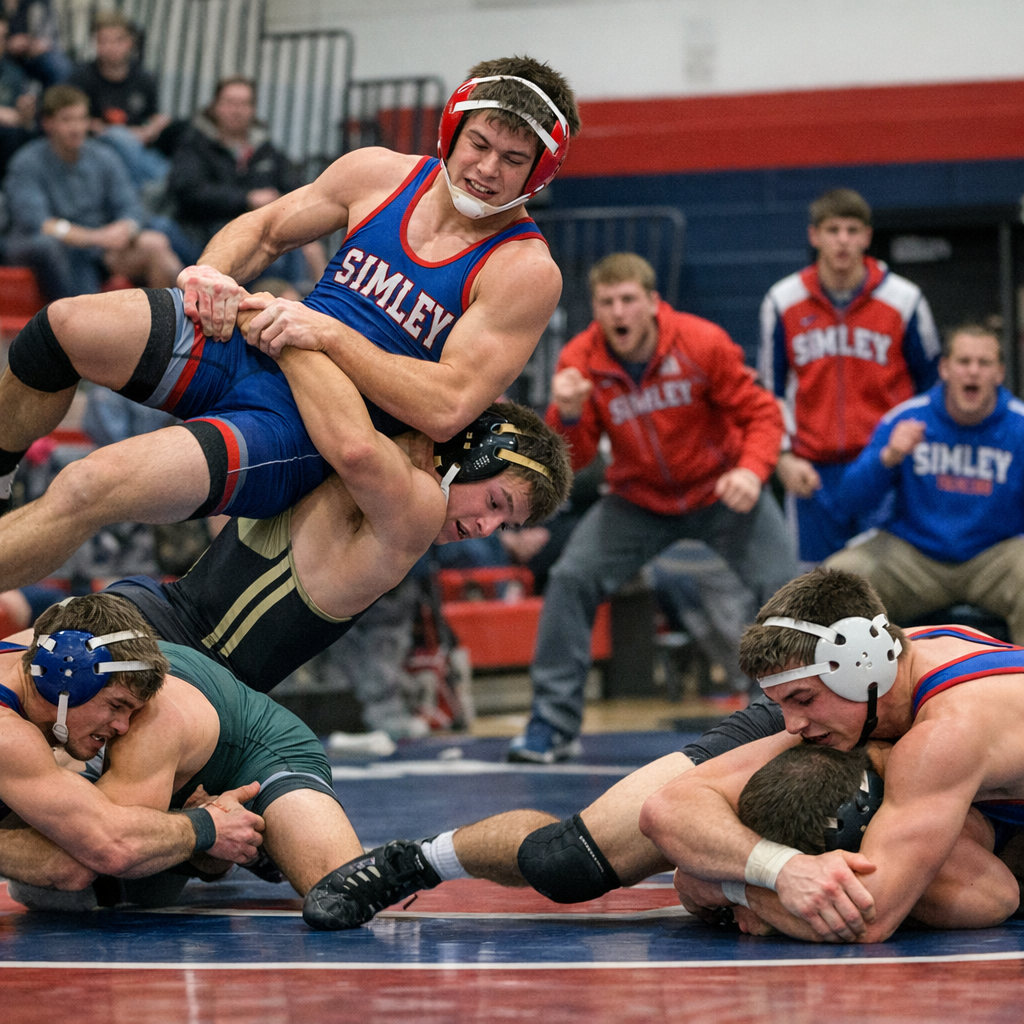
One foundation that Simley is especially proud of is its wrestling program. The Spartans’ wrestling team has earned 11 state championships, multiple state runner-up finishes, and a consistently strong national ranking position over the past several years. High school students in wrestling aren’t just excelling on the mat—they’re part of an enduring culture of discipline and teamwork. These results don’t happen overnight; they reflect decades of steady coaching, committed athletes, and community support.
Growth and Inclusion in New Sport Opportunities
Simley and the ISD 199 district are expanding the horizons for female athletes. A recent addition is the girls’ flag football team, offering a new competitive outlet. Inclusive adapted sports—such as adapted bowling—are also making waves with outstanding performances at the state level. These moves reflect a continuing priority: every student should find a sports home. Youth and middle school programs are also rich with options—from swim & dive to trap shooting, football to tennis—helping build athletic skills and personal confidence from an early age.
Youth pathways and Local Support
The city and school district together provide robust support for sports at every stage—youth leagues, middle school competitions, high school programs, and beyond. Inver Grove Heights Parks and Recreation and community education programs make many sports accessible, while facilities like Simley Stadium, tennis courts, pools, and complex fields offer spaces where athletes can train and compete. The recognition of middle and high school athletes in “All-Conference” awards and district board meetings shows that local leaders see the value in athletics—not just for trophies, but for character, well-being, and lifelong involvement.
Looking Forward: Sustaining Momentum
Key questions that remain important for maintaining and growing this momentum include balancing schedules to prevent burnout, ensuring adequate funding for travel, coaching, and facilities, and continuing to cultivate equity in sport access. Also vital: strengthening connections between high school programs and college-level pathways. Minnesota is home to strong junior college conferences and four-year NCAA institutions; creating bridges—through camps, showcases, mentorship—helps local athletes dream bigger.
In town, every win—whether on a state championship mat, field, or court—echoes more than just athletic success: it’s about community, shared identity, and the pride that comes when teams of all levels push themselves to excel.