

By Michael Williams
Inver Grove Heights is changing fast. Roads, neighborhoods, parks, all shifting as growth presses in. One of the most talked-about developments in recent months has been the proposed data center at 5842 Carmen Avenue East and the city’s decision to impose a one-year moratorium on new data center development. That decision comes amid concerns over environmental impact, noise, land use, and whether the benefits outweigh the burdens.
What triggered the moratorium?
The City Council voted 3-2 to pause data center development for a year, including the project on Carmen Avenue. The vote followed intense feedback from neighbors, who raised alarm over power usage, noise pollution, and potential harm to quality of life when such facilities are located near homes, senior care facilities, or child care centers. The proposed building would be relatively small—around 5 megawatts—but the concerns echo those voiced in other Twin Cities suburbs facing similar proposals.
The community’s voice
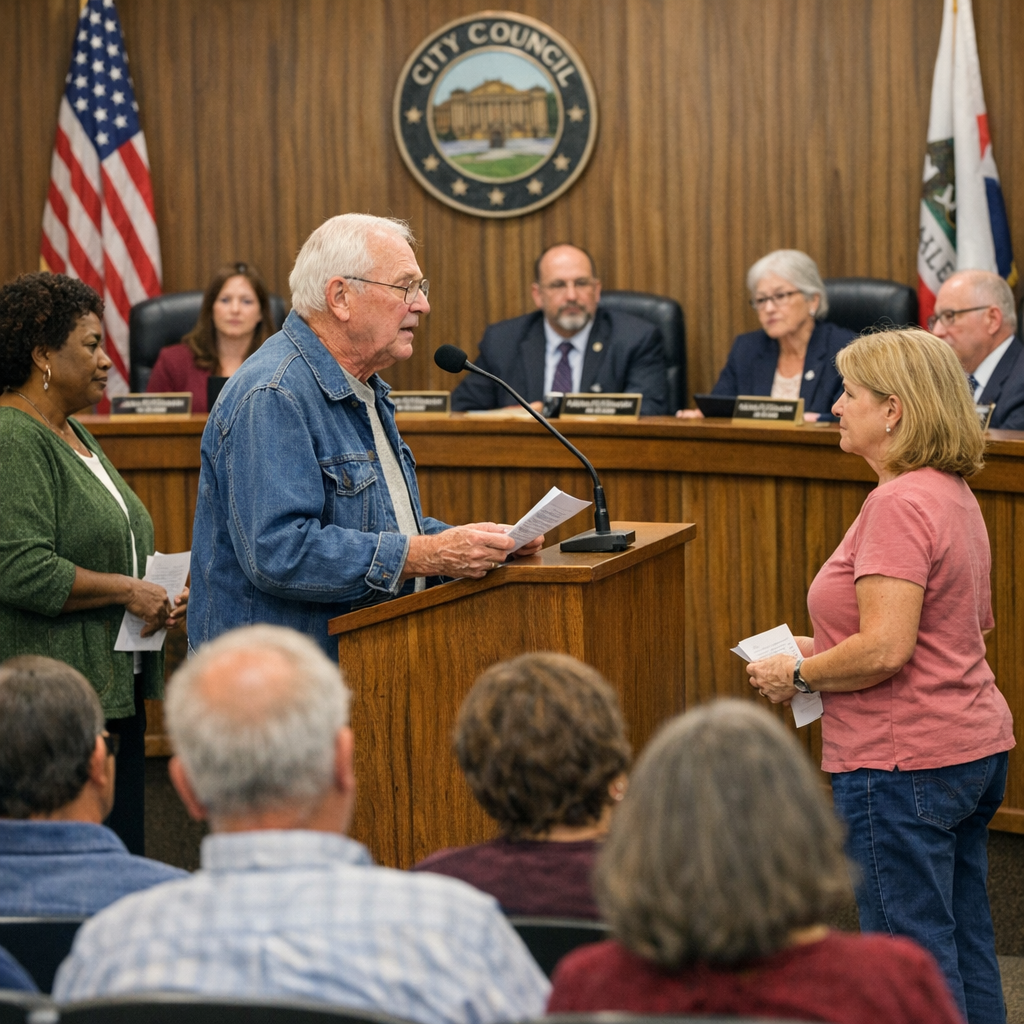
A citizen petition, public hearings full of residents speaking out, and open letters have made one thing clear: many IGH residents don’t feel they’ve been part of the conversation. Some feel that meetings are scheduled at inconvenient times, adjourned abruptly, or that city leaders move quickly without full transparency. The moratorium gives IGH time to assess how zoning and codes should be updated to reflect current and future concerns.
What’s at stake—and how can we find balance?
Development can bring jobs, tax revenue, and new infrastructure. But it also carries costs. Noise, power draw, environmental effects, and disruption to residential areas are real concerns. Our community needs to decide: what kinds of growth do we accept, and where? Our zoning should protect vulnerable residents—those in senior homes, childcare, or neighborhoods already coping with environmental stressors. IGH’s vision for future housing, green space, walkability, and clean air deserves focus alongside growth proposals.
Steps forward
Here are some ideas I believe can help us move forward together:
- Create more public engagement options—virtual meetings, evening forums, community work-sessions—so more voices can be heard.
- Update zoning and environmental review standards to clearly define what qualifies as acceptable industrial and tech infrastructure, including data centers.
- Establish buffers—distance rules between heavy-use development and homes, schools, senior housing.
- Require stronger mitigation: noise reducing design, clear assessments of power and water usage, protection for wildlife and ecosystems.
- Create a community advisory panel that brings together residents, experts, and city officials to review proposals before they reach vote.
Why it matters
This isn’t just about one proposed building on Carmen Avenue. It’s about how IGH defines its future: as a city that welcomes progress, or one that protects quiet neighborhoods, clean air, and places where families and older residents feel safe. Moratoria should never be long-term brakes that halt development forever; but they are powerful tools when used to forge thoughtful policy. I hope that in the coming months, we will use this moratorium well.
Growth and preservation don’t have to oppose each other. With open conversations and smart planning, Inver Grove Heights can build responsibly—keeping what we love while preparing for what’s ahead.