

By James Larson
Climate Overview
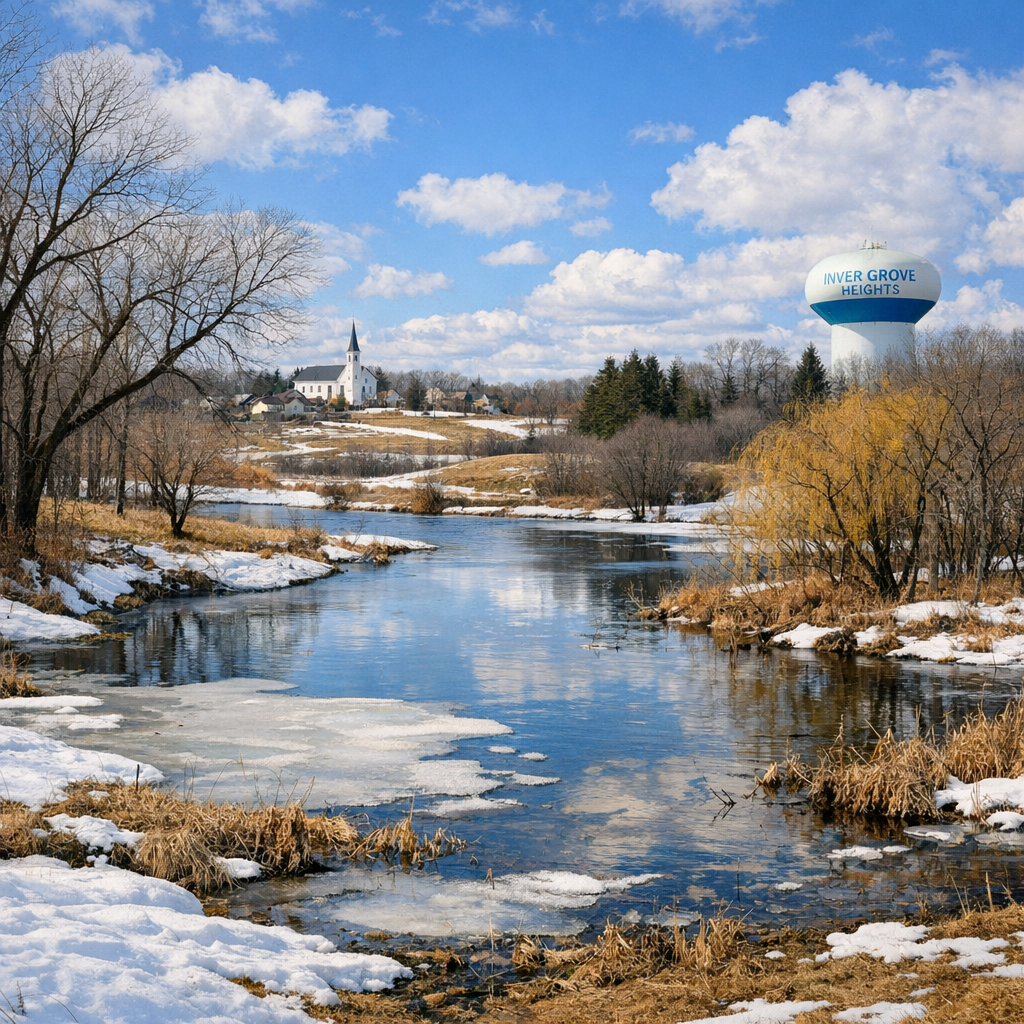
Inver Grove Heights sits within a humid continental climate, with warm, humid summers and cold, snowy winters. The area experiences large seasonal swings in temperature and precipitation. Annual averages are about 47 °F overall, with summer highs often around 80–83 °F and winter lows dropping into the single digits. Snow usually blankets the ground from mid-December to early March. 1
Frost and Growing Season
The frost-free period generally runs from approximately April 20-30 through October 1-10, giving residents about 150-180 days for gardening and landscaping. 2 First frost in autumn usually happens in early October. This window is crucial for plant planning, whether you’re sowing annuals or tending perennials.
Precipitation Patterns and Weather Risks
Precipitation is uneven across the year. June tends to be the wettest month, seeing around 4 to 4.6 inches of rain. Winter months like January and February are much drier, often under 1 inch of precipitation. 3 Snowfall can begin in late October and may linger into April. During seasons of heavy snow or rain, localized flooding and drainage issues are common.
Trends and Environmental Shifts
Recent climate reports show rising annual precipitation averages in Minnesota, driven in part by more frequent heavy rain events. Such shifts can burden stormwater systems, affect soil health, and raise risk of erosion. 4
At the same time, nights are staying warmer, as are dew points during summer evenings—making days feel more humid than in past decades. This change not only impacts comfort but also health, especially for older residents or people with respiratory conditions.
Impacts for Residents
Gardening or landscaping here means selecting plants hardy to Zone 5a, and timing planting around frost dates. For snow and cold, investing in reliable heating, insulation, and snow removal helps. And when severe rain hits, ensuring yards, basements, and drainage systems are prepared can prevent damage.
Staying Prepared and Informed
Keeps tabs on the latest from local weather services, watershed management organizations, and the City’s environmental reports. Many environmental changes unfold slowly but have big downstream effects—on soils, water quality, and community resilience.
Takeaway
What’s “normal” weather in Inver Grove Heights looks like extremes at both ends—hot, wet summers and long, cold winters. But small shifts in frost dates, precipitation patterns, and humidity are underway. Being aware helps all of us adapt as these patterns evolve.