

By Olivia Johnson
From refugee displacement to international climate cooperation, the world is facing interconnected challenges that demand both urgent action and thoughtful diplomacy. Here’s a closer look at the scale of these issues and where global efforts are making strides—and stalling.
Forced Displacement: A Global Crisis
By the end of 2025, over 117 million people were forced to leave their homes due to conflict, persecution, or human rights violations. This includes more than 41 million refugees, 9 million asylum-seekers, and nearly 69 million people internally displaced within their own countries. This marks a slight decrease in total refugee numbers—the first drop in over a decade—largely driven by returns in nations like Afghanistan, Syria, and Sudan. However, many displaced individuals face unsafe return conditions and ongoing barriers to reintegration.
Among ongoing displacement crises, Sudan has emerged as one of the largest, with millions uprooted by internal conflict. Other countries like Syria and Afghanistan continue to host massive refugee populations. Most refugees stay in neighboring countries, often with limited resources to support them.
Root Causes and Global Impacts
- Prolonged conflict: Wars in Sudan, Ukraine, Syria, and elsewhere continue with few real pathways to peace.
- Humanitarian funding gaps: Many aid operations struggle to meet rising needs amid constrained international resources.
- Host country strain: Nations bordering crisis zones bear the majority of responsibility for refugee care, often amid their own economic challenges.
Climate Diplomacy in a Fragmented World
Climate diplomacy is transforming. No longer confined to multilateral summits and UN frameworks alone, it increasingly involves coalitions of cities, businesses, civil society groups, and governments working through more flexible implementation-focused partnerships. This shift reflects both necessity and innovation in a world where geopolitical tensions complicate traditional diplomacy.
Key areas of progress include operationalizing “just transition” mechanisms and boosting public engagement in climate policy. Nonetheless, gaps remain, particularly around financing obligations, adaptation in vulnerable regions, and bridging the trust deficit in global forums.
Where these Challenges Intersect
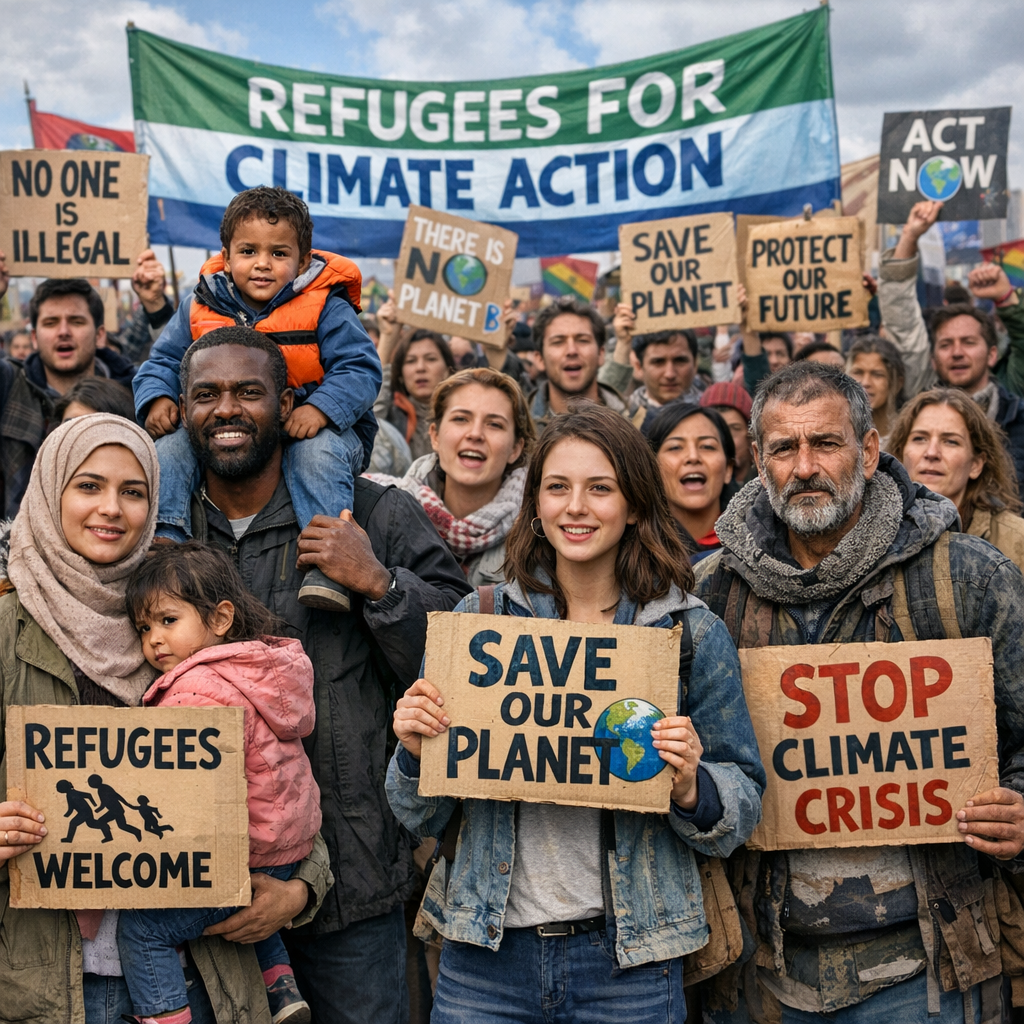
The link between displacement and climate is intensifying. Extreme weather events, sea-level rise, and environmental degradation are pushing more people from their homes. Displacement, in turn, puts pressure on both host regions and international systems already stretched thin. Addressing these problems separately risks falling short.
Climate-related displacement requires both mitigation of causes—limiting greenhouse gas emissions—and adaptation strategies: infrastructure, economic support, and legal protections for affected communities. Diplomacy that centers climate security is becoming more central to debates about geopolitical stability.
Paths Forward
- Strengthen host-country support through improved funding and access to international resources.
- Expand resettlement, humanitarian admission, and alternative safe pathways in wealthier nations.
- Incorporate displacement considerations into climate frameworks, recognizing that many climate-displaced people lack formal recognition or aid.
- Foster diplomatic channels that embrace flexibility: global accords balanced with localized, grassroots-led climate and human rights work.
- Ensure that transitions toward renewable energy and net-zero goals don’t leave vulnerable populations behind.
The challenges are complex and overlapping. But they’re not insurmountable. With political courage, multilevel cooperation, and a willingness to adapt, the global community can strive toward a world where displacement isn’t destiny and climate diplomacy delivers both justice and resilience.