

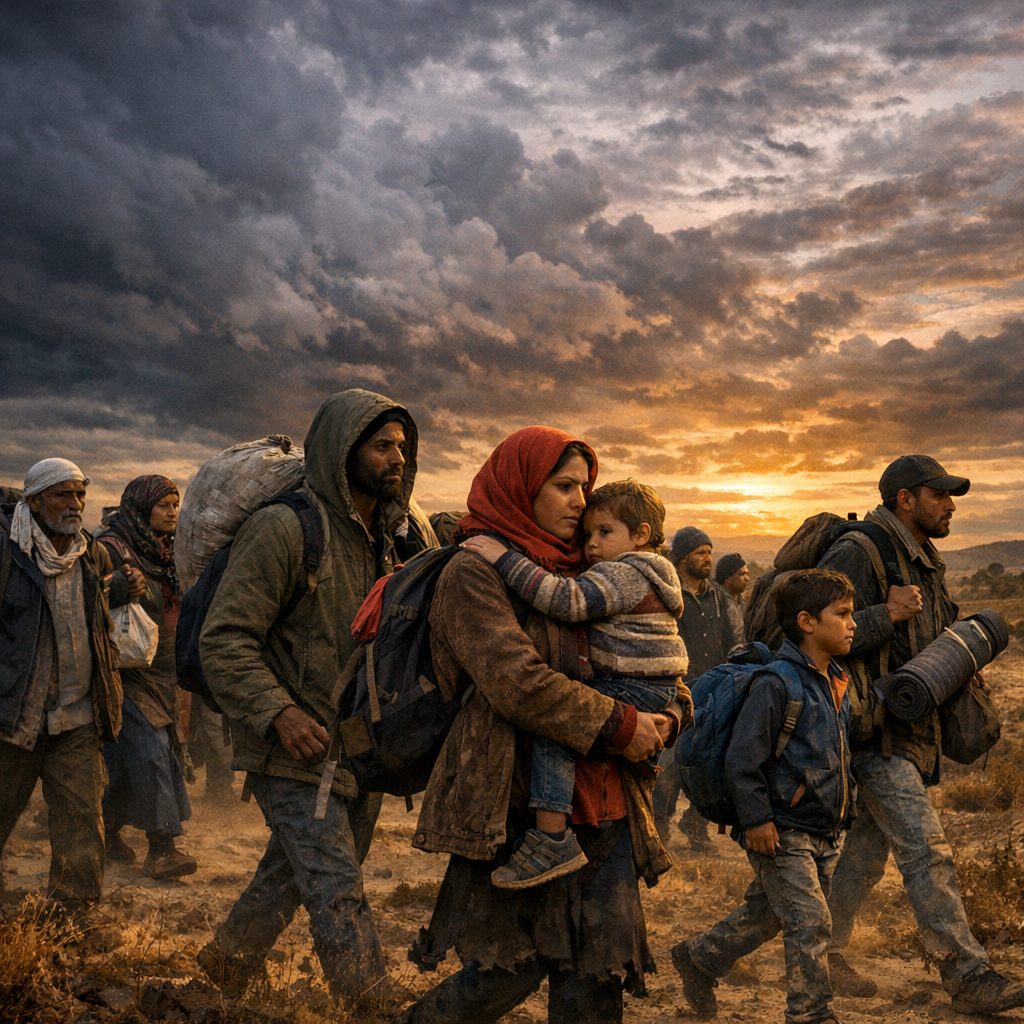
It’s easy to think climate migration is something happening far away—across oceans or continents. But the shifting weather patterns, extreme storms, rising seas, and droughts that force millions to move have impacts that echo into communities like ours in Inver Grove Heights. Understanding how climate mobility shapes global futures helps us see its relevance at home.
What is climate migration?
Climate migration refers to movements of people triggered by environmental changes. These can be sudden—like hurricanes or floods—or gradual—such as rising sea levels, desertification, or worsening droughts. Most of these displacements happen within countries, but many cross borders. Vulnerable and marginalized populations are disproportionately affected, often without the resources to adapt or relocate. Global institutions like the International Organization for Migration stress that while numbers are rising, much of the struggle is hidden from headline news.
Global trends shaping migration patterns
One of the biggest drivers is slow-onset environmental stress—erosion, soil degradation, and water scarcity—that undermines livelihoods, especially in rural settings. Meanwhile, sudden disasters force urgent movement, often into urban centers or across borders. As climate change intensifies, experts expect both types of migration to increase significantly.
Places facing both climate risk and demographic pressure—young populations, rapid urbanization, limited infrastructure—are especially vulnerable. Without planning, this leads to crowded cities, informal settlements, and strained public services. International research highlights the need for policies that integrate climate adaptation, development, humanitarian aid, and migration governance, particularly at local and community levels.
Why it matters to viewers in Inver Grove Heights
It might feel like climate migration is happening across the globe, but its effects reach here. For example:
- Supply chains of food, goods, and materials can shift when farmers or producers are displaced—affecting prices at the store or availability of seasonally grown crops.
- Global migration creates cultural exchange and diversity, enriching communities through new perspectives, cuisines, arts, and languages.
- In the longer term, U.S. policy and immigration patterns will adapt. This can influence expectations around work permits, educational programs, refugee services, and neighborhood dynamics.
What can be done—and what we can support locally
Addressing climate migration isn’t only about global treaties or funding. Local actions and informed community efforts matter:
- Support organizations helping people displaced by climate events—through donations, volunteering, or advocacy.
- Encourage local government plans to include climate resilience—things like flood mitigation, sustainable housing, and safe evacuation options.
- Back education efforts that deepen understanding of climate migration issues—how human health, economic development, infrastructure, and equity are connected.
- Stay engaged with policy discussions: federal immigration laws, international aid, and climate agreements influence how climate migration is managed.
Climate migration will be one of the defining global stories of our lifetimes. As we learn more about its causes, effects, and solutions, we can shape how this shift unfolds—in a way that keeps communities like Inver Grove Heights strong, compassionate, and prepared.