

By James Larson
Inver Grove Heights sits in a region where climate patterns are changing in ways many of us are beginning to notice—and these changes touch everything from what we expect during winter to how we care for yards, lakes, and our health.
Warming Winters: More Than Just Less Cold
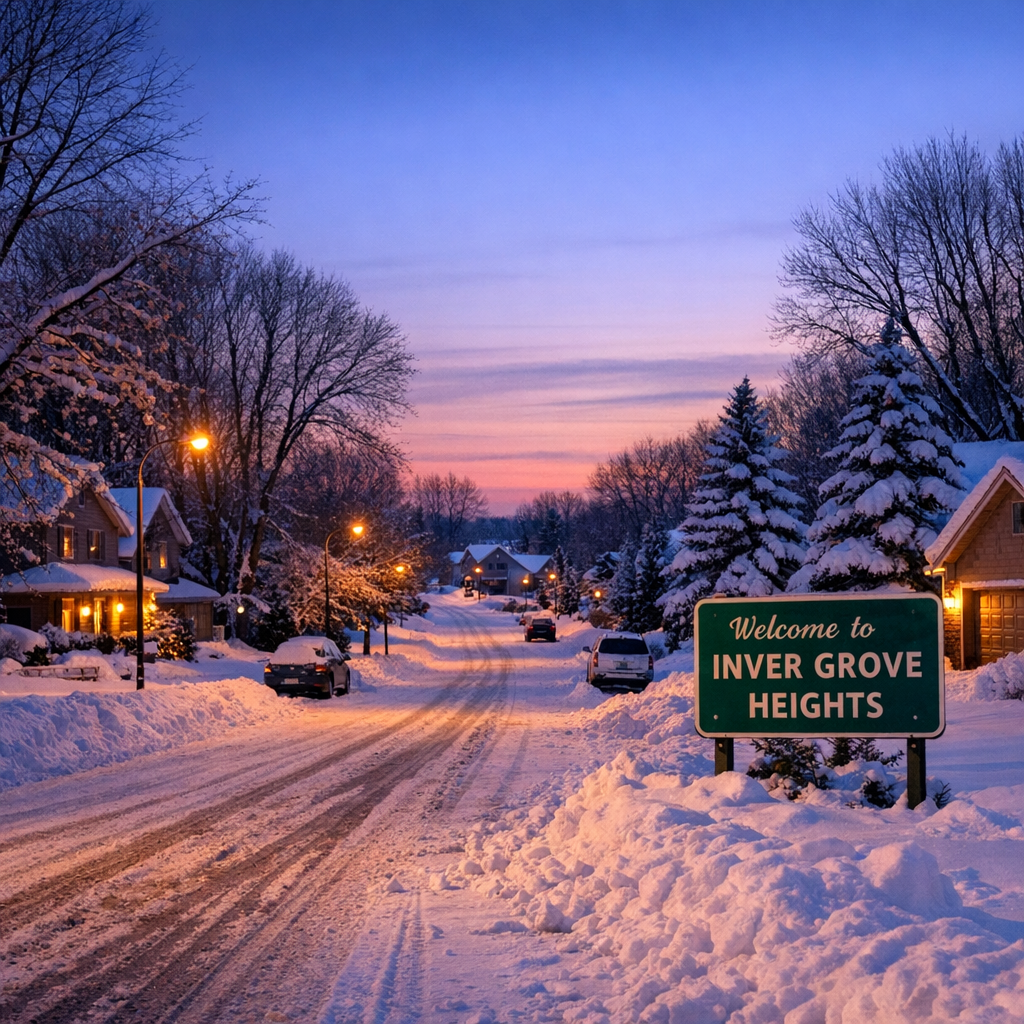
Data collected statewide shows that average winter low temperatures are rising faster than summer highs. Winter (December–February) lows have increased several degrees over past decades—reflecting fewer bitter cold nights and less sustained snow cover. These shifts aren’t just trivia: they alter ice cover on lakes, timing of snow melt, and how we prepare for icy roads and winter activities. Over time, Inver Grove Heights may see more freeze–thaw cycles, meaning snow might come and go more frequently rather than staying constant through the season.
State climate reports describe winter warming of about 5+ °F in many regions, especially during nighttime hours. Springs also begin earlier, and frost/freeze dates are creeping forward.
These trends impact everything from public safety (icy patches, unstable ice) to wildlife patterns (plants bud earlier, animals emerge sooner) and infrastructure stress (freeze–thaw damage to pavement, erosion).
Heavy Rain, Changing Precipitation, And What It Means Locally
Alongside warming, increased rainfall—and in particular more intense rainstorms—is another emerging pattern. Cold‐season precipitation and spring rain are tending to increase, even where summer rainfall may become less frequent but more intense when it does fall.
Runoff during heavy storms carries more pollutants—fertilizers, lawn chemicals, sediment—into local lakes and ponds. These events also stress stormwater infrastructure, raising flood risk and erosion in urban and suburban areas. Managing landscaping, installing rain gardens, and maintaining proper drainage become increasingly important.
Air Quality, Allergies, and Seasonal Health Factors
Warmer winters also mean more frequent mixing of air layers, allowing pollutants to build up near the ground. Plus, wildfire smoke from distant regions is becoming a more regular factor, even here. Meanwhile, extended growing seasons mean pollen is around longer, possibly leading to longer allergy seasons.
In Inver Grove Heights especially, those with asthma or cardiovascular conditions may notice more difficult days—during warm spells in winter or long periods without breeze in summer. Monitoring air quality alerts, reducing burning during still periods, and staying aware helps.
What You Can Do—Locally
Many of these changes feel big, but small, practical steps add up. Here are some actions local residents can take:
- Add buffers of native plants near water bodies to filter runoff.
- Consider permeable materials for paving to allow water absorption.
- Choose tree species that tolerate wider temperature swings and warmer winters.
- Mulch and compost garden beds to retain moisture and reduce pesticide‐use.
- Watch for frost or freeze notifications; cover vulnerable young plants during unexpected cold spells.
- Stay informed via air quality monitoring services; avoid outdoor exertion on days with poor air or high allergen levels.
Looking Ahead
Climatic shifts often happen slowly, but their effects are cumulative. As winters warm, summers stay volatile, and precipitation becomes more unpredictable, Inver Grove Heights will see its seasons change—not just in how they feel, but in how its people live.
By adapting our yard care, building practices, and awareness, we can cushion some of the impacts. For now, recognizing what’s happening is the first step toward living with a changing climate—not just weathering it.