

Inver Grove Heights (IGH) blends large-scale employers, a thriving small-business community, and economic indicators that together shape its local economic character. For residents and entrepreneurs alike, understanding these trends offers insight into where opportunities lie.
Major employers anchor the local economy
The backbone of IGH’s job market includes some well-known names. Agricultural co-op CHS, Inc. anchors much of the industrial and agricultural supply sector. Neighboring Gertens, a large garden center business, is widely recognized regionally. Public institutions—Independently School District 199, Inver Hills Community College, and the City government—make up a sizable share of employment. Together, these major employers deliver stability and set a foundation for community growth.
Small businesses form the majority—promise and challenges
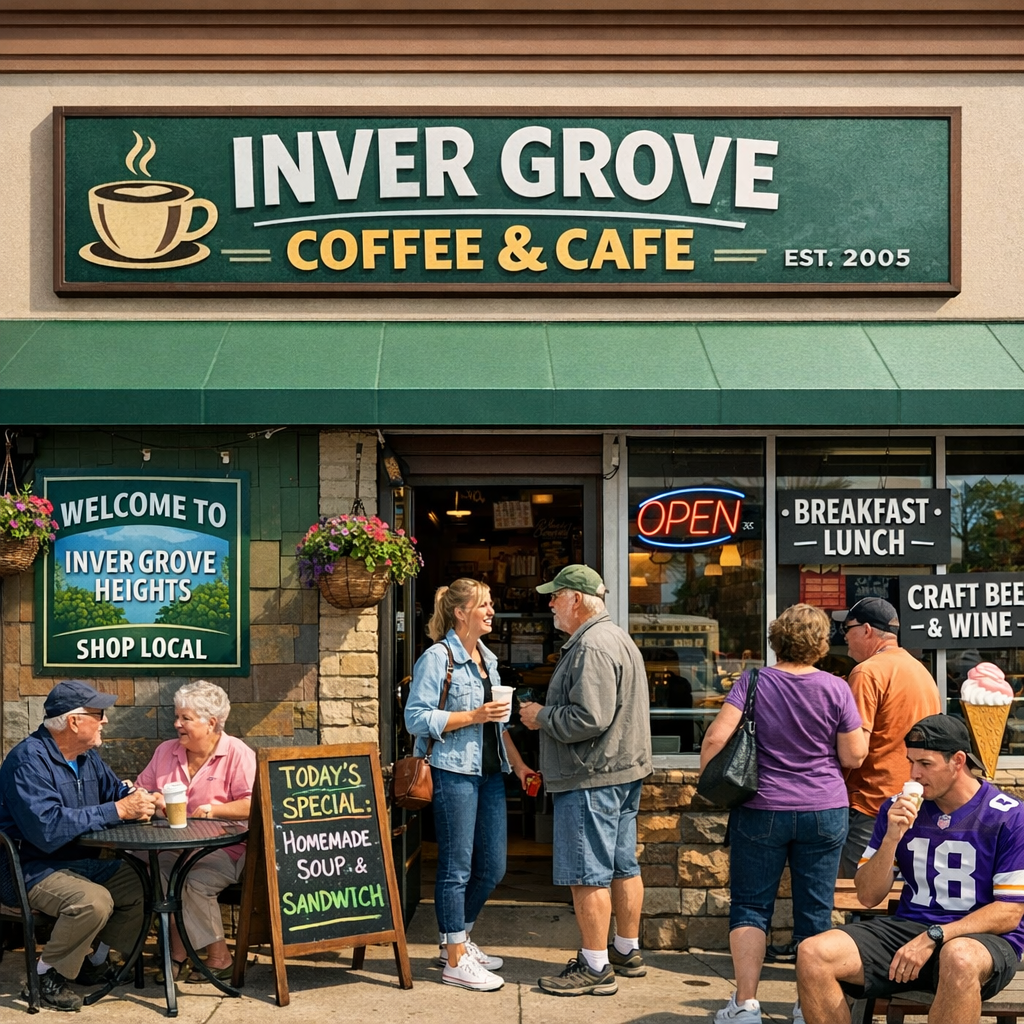
Of over 1,600 businesses in the ZIP codes covering IGH, around 87% employ fewer than 20 people. These micro and small firms span professional services, retail, construction, and more. Their lean size allows for nimbleness, but also means they often face tighter margins, limited capital, and competition from larger players. Still, they’re a key source of local jobs, innovation, and identity.
Income and demographics offer economic strengths
IGH households have a median income above $100,000, and per capita earnings of about $55,000—figures that surpass state and regional averages. The labor force participation rate hovers near or slightly above norms for the metro area. Industries like health care, manufacturing, and professional services are among the top employment sectors. Also notable: full-time workers generally earn significantly more than many retail or service roles, especially in higher-paying sectors like finance or specialized technical services.
Wages, productivity, and industry mix
Average wages in IGH sit well above many parts of Dakota County, and industries like utilities or finance pay top rates. Manufacturing still plays a strong role, offering middle-income jobs. Health care and social assistance are expanding, reflecting regional and demographic demand. Retail and food services also make up a large share of employer numbers, though these sectors often compete over thin profit margins and labor constraints.
Opportunities ahead
- Capitalizing on available land and commercial sites in strategic corridors to attract new employers or expand existing businesses.
- Supporting small businesses with resources—access to finance, technical assistance, streamlined permitting—to help them scale and contribute more job growth.
- Investing in workforce development aligned with local industry: health care, manufacturing, and specialized services.
- Leveraging strong household income to foster more local retail, dining, and entertainment offerings—keeping dollars locally.
- Ensuring that land-use planning balances new development with preserving community character.
Overall, Inver Grove Heights stands on solid ground. Its economic base includes both stable major employers and a vibrant small-business ecosystem. If growth is carefully managed, the city can build on its strengths to deliver more opportunity and prosperity for residents.