

By James Larson
In Inver Grove Heights and across southern Minnesota, changes in the weather and environment are no longer predictions—they’re part of our everyday. Over the long term, climate trends are reshaping our winters, rainfall patterns, and the health of our lakes and rivers. Here’s a look at what’s changing, what it means for us locally, and how we can adapt.
Temperature Shifts: Winter’s Warming and Seasonal Ripples
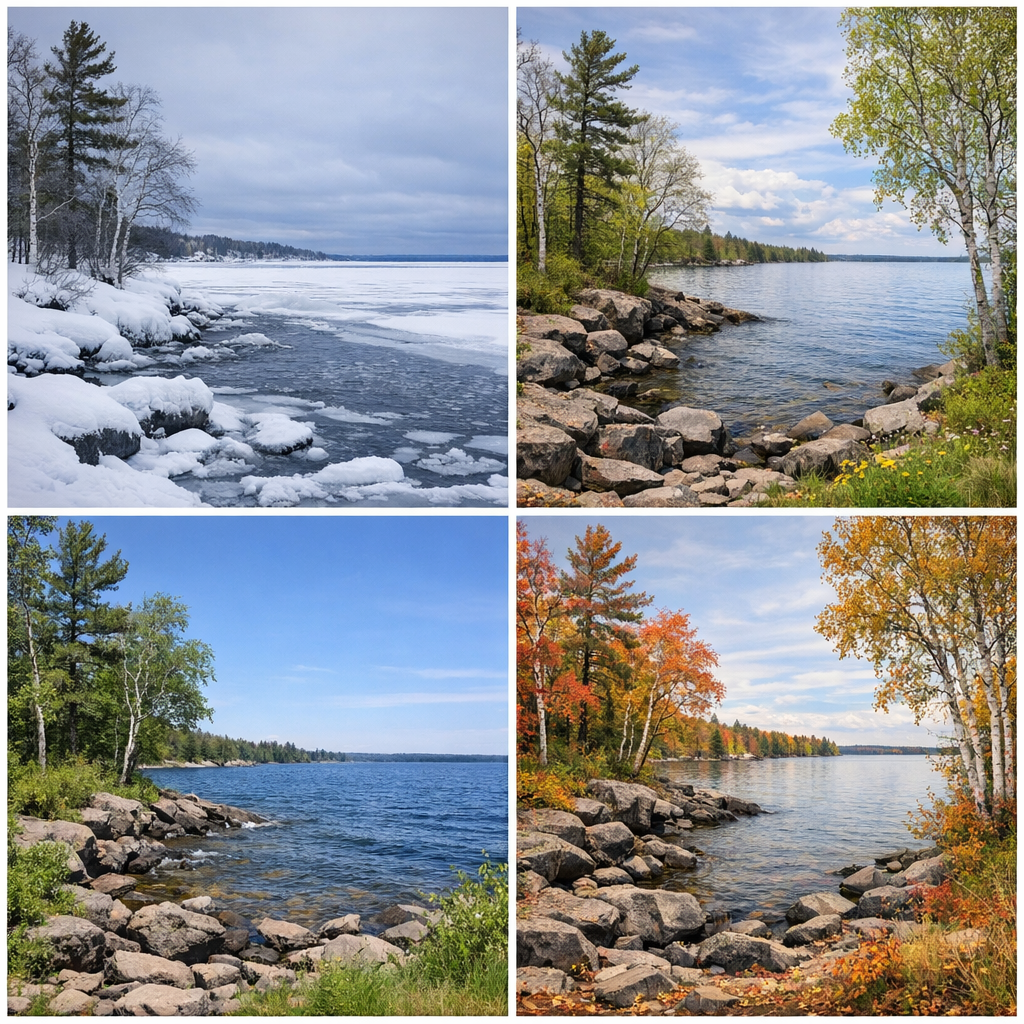
Since the late 1800s, Minnesota has warmed by several degrees. Winters in particular—especially overnight lows—have been rising fastest, meaning fewer extremely cold nights and shorter periods of snow and ice cover. For southern Minnesota, including the Twin Cities metro area, this means milder winters, earlier thaws, and shifts in how and when we use snow-dependent parts of our environment, from lakes to forests.
Why It Matters Locally
- Shorter periods of frozen lake ice affect ice fishing, winter recreation and can disturb aquatic ecosystems.
- Warmer winters allow some pests and disease vectors—including ticks—to survive longer and expand their range.
- Milder cold may reduce strain on heating systems but can also disrupt the timing of plant blooms and pollinator activities.
Rainfall, Storms, and Water Quality
Along with warmer winters, Minnesota has seen increases in annual precipitation overall—but especially in spring—and more frequent intense rain events. These heavy downpours can overwhelm stormwater systems in towns like Inver Grove Heights, lead to flash flooding, and drive runoff of soil, nutrients, and sediments into lakes and rivers.
Meanwhile, water quality is a mixed story. Some progress has been made: phosphorus levels in major rivers show signs of stabilizing or improving, and many lakes once listed as impaired have recovered to meet state standards. But challenges remain—PFAS contamination around closed landfills, polluted runoff from farmland and urban areas, and disturbances along shorelines continue to stress aquatic ecosystems.
Wildlife, Ecosystems, and Health Impacts
Vegetation, wildlife, and human health are being reshaped by these climate trends:
- Cold-water fish species are at risk as lakes warm and ice cover declines; warm-water species may gain an edge.
- Blooming plants—trees, wildflowers—are often leafing out earlier, which can mismatch with pollinator emergence and affect biodiversity.
- Health risks increase with extreme weather—more heavy storms can cause flooding, and longer warm periods can intensify pollen seasons and air quality issues.
What Inver Grove Heights Can Do
While many climate changes are regional or global in origin, local actions matter. Here are steps our community can take now:
- Support green stormwater infrastructure: rain gardens, permeable pavement, natural buffers along streams and lakes reduce runoff impacts.
- Promote shoreline restoration—healthy shorelines help filter pollutants and stabilize habitat.
- Encourage homeowners to reduce fertilizer and pesticide use, maintain septic systems, and plant native species resilient to changing conditions.
- Stay aware about water quality advisories and public health alerts—tools are available from state environmental agencies.
Looking Ahead
Projections suggest that by mid-century, Minnesota will continue seeing warmer average temperatures, especially during winters, increased spring rainfall, more extreme rain events, and longer dry spells in summer. The changes already underway give us a window to adapt local practices for a more resilient future.
By staying informed, working together, and making thoughtful environmental choices, Inver Grove Heights can help safeguard its weather, water, and ecosystems now—and in the years to come.