

By Michael Williams
Inver Grove Heights is no stranger to energy around community issues. From the recent moratorium on data center development, to debates over flying the old state flag, to petitions concerning zoning—these are all parts of what engages us and defines us. But one pattern stands out: it seems like things only change when frustration builds and people push hard to be heard.
The pace of change often tests belief
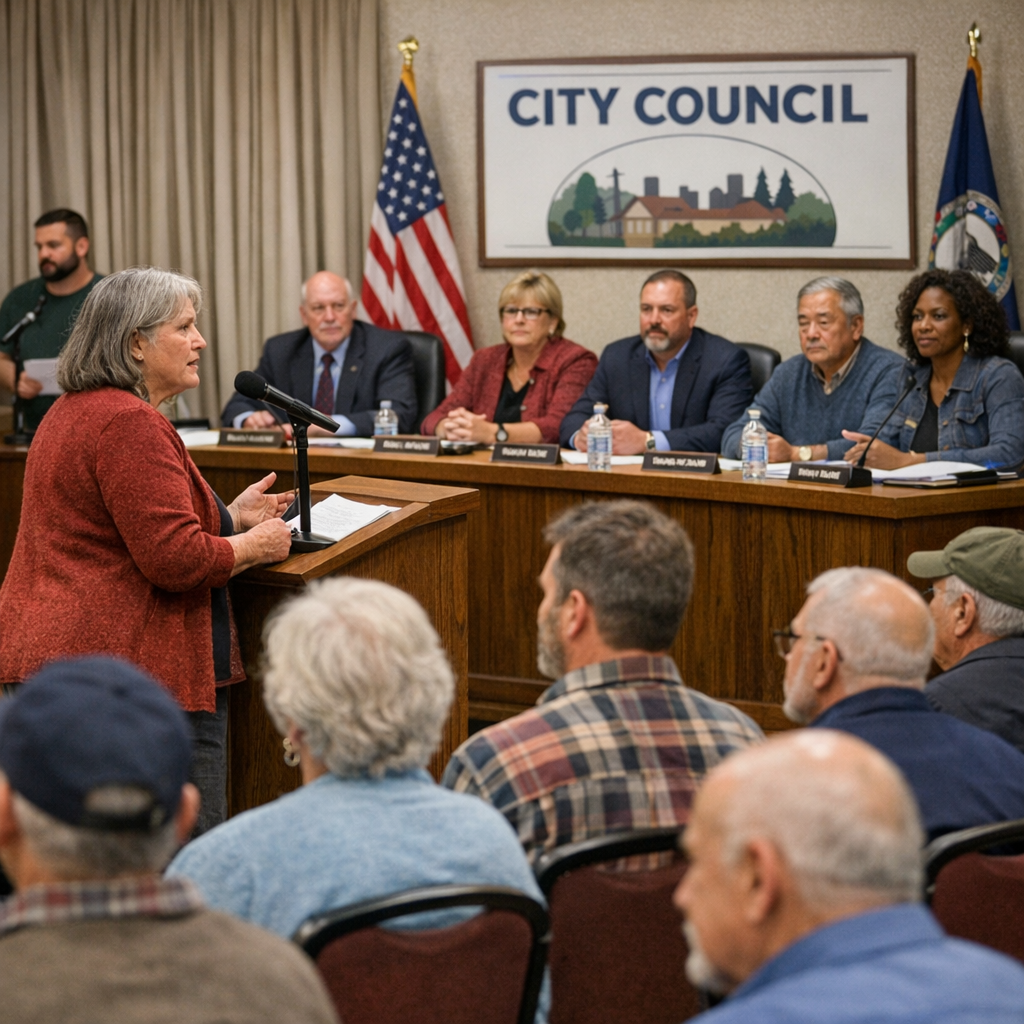
Last month, our City Council voted narrowly—3 to 2—to pause data center projects for a year. The decision came after residents spoke about concerns over noise, electricity consumption, and environmental impacts near proposed sites. A petition with more than 700 signatures played a big part in closing the gap between concern and action. The pause is a tool—not a solution itself—but it gives us time to demand a public review. It’s what many say they’ve been asking for all along. But many also say “why did it take this long?”
The structures are in place—but they don’t always work fast
Our city charter includes processes for public comment, environmental reviews, and neighborhood engagement. Yet the sentiment among many residents is that those mechanisms often feel like checkboxes rather than genuine opportunities. Meetings that are delayed, discussions held at inconvenient times for working families, and decisions announced with little notice have all added to frustration.
Why speed matters
- People who live closest to the impact deserve timely and direct input—not after-the-fact updates.
- Delays can weaken trust: when decisions feel predetermined, public faith starts to drop.
- Long waits mean stakes grow steeper—for homes, health, and finances.
What people are asking for
From conversations around town and in council chambers, here are recurring requests:
- Transparent timelines: clear schedules for when decisions will be made and when input is solicited.
- Broader outreach: going beyond the usual meeting crowd, engaging neighbors who can’t easily attend public sessions.
- Context in proposals: understanding environmental, financial, and health impacts before votes are cast.
- Genuine responsiveness: when feedback leads to visible changes or official replies, not just acknowledgments.
Voices of hope in the process
Despite the frustrations, there are signs things do work when people step up. Carrie Lundberg’s petition for an environmental review, for example, pushed the city to pause before further development. The home library service is connecting residents who otherwise could lose access to books. Local nonprofits continue to step in where gaps in public service emerge. These all show what’s possible when people feel empowered.
How we move forward together
Here’s what community members and leadership alike can keep in mind if we want change to feel as swift as it should be:
- Civic bandwidth counts. Let’s make it easier for residents with busy lives or limited mobility to participate—online tools, flexible meeting times, and local info hubs do that.
- Leadership listening means more than hearing. It means acting transparently on what people say.
- Small successes should be shared—they matter. When change happens, it builds momentum.
Inver Grove Heights has always been shaped by those who care loudly and lift quiet concerns alike. Our city works best when we don’t wait for tension to boil over to act; when we aim for prevention, listening, and shared ownership. Because even though the wheels of local government turn slowly, the voices of its people have the power to speed things up.