

By Michael Williams
Inver Grove Heights is at a crossroads—where two powerful forces are in active tension. On one hand, the city is growing: more homes, more businesses, louder voices demanding progress. On the other, residents are pushing back—to slow development when it threatens the environment, to preserve water quality, and to make sure governing includes those whose lives will change most.
The water we drink—and worry about
One issue hitting close to home (literally) is the safety of our drinking water. Recent tests at the city’s water treatment plant showed that levels of radium and gross alpha particles—both natural to our aquifer—are elevated but remain below state limits. Still, residents don’t want “not illegal” to be mistaken for “safe enough without question.” The city is working with experts to upgrade its systems and has made water treatment improvements a priority.
A moratorium born of concern
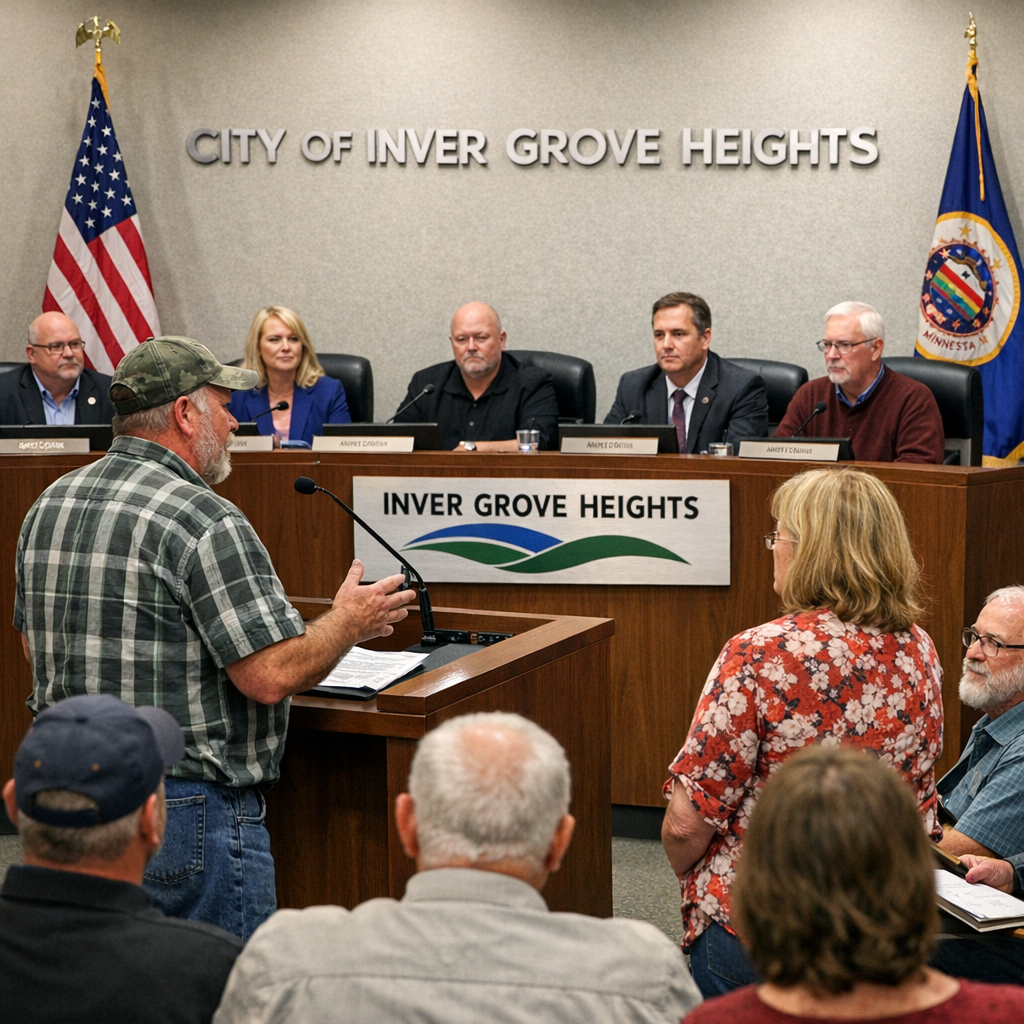
Another conversation burning among neighbors is the proposed construction of a data center on Carmen Avenue. In response, the City Council passed a one-year moratorium on data center development. Issues raised during public meetings included noise, power and water consumption, light pollution, and home values. The moratorium isn’t just a pause—it’s a signal that local input matters and can move policy. Residents have demanded an environmental review so the costs and benefits can be weighed openly.
Growth should feel like belonging
These issues are connected by a thread: growth without roots in community values fails to earn trust. From open space and stormwater runoff, to aging neighborhoods and open storefronts, many neighbors want to see smart growth—development that preserves what people came here for: trees, clean lakes, quiet nights, supportive neighbors.
What this means for our city
- Policy transparency: When city staff and council explain why things are proposed—be it a data center or housing development—residents feel more respected.
- Environmental resilience: Clean water, protecting wetlands, managing storm runoff, and doing environmental reviews before construction all build a healthier city over time.
- A seat at the table: More listening sessions, inclusion of diverse neighborhood voices, and public meetings that work with people’s schedules—not mine or yours—build shared ownership.
What you can do
Your voice matters whether you’re walking your dog near a wetland, managing a home water filter, or just thinking about how Inver Grove Heights might look in ten years. Talk to your neighbors. Attend a council meeting. Ask questions about environmental impact, about how decisions are made.
We are in a moment where engaged people can shape policy—not just react to it. Let’s make sure our city’s path forward is one we all believe in.