

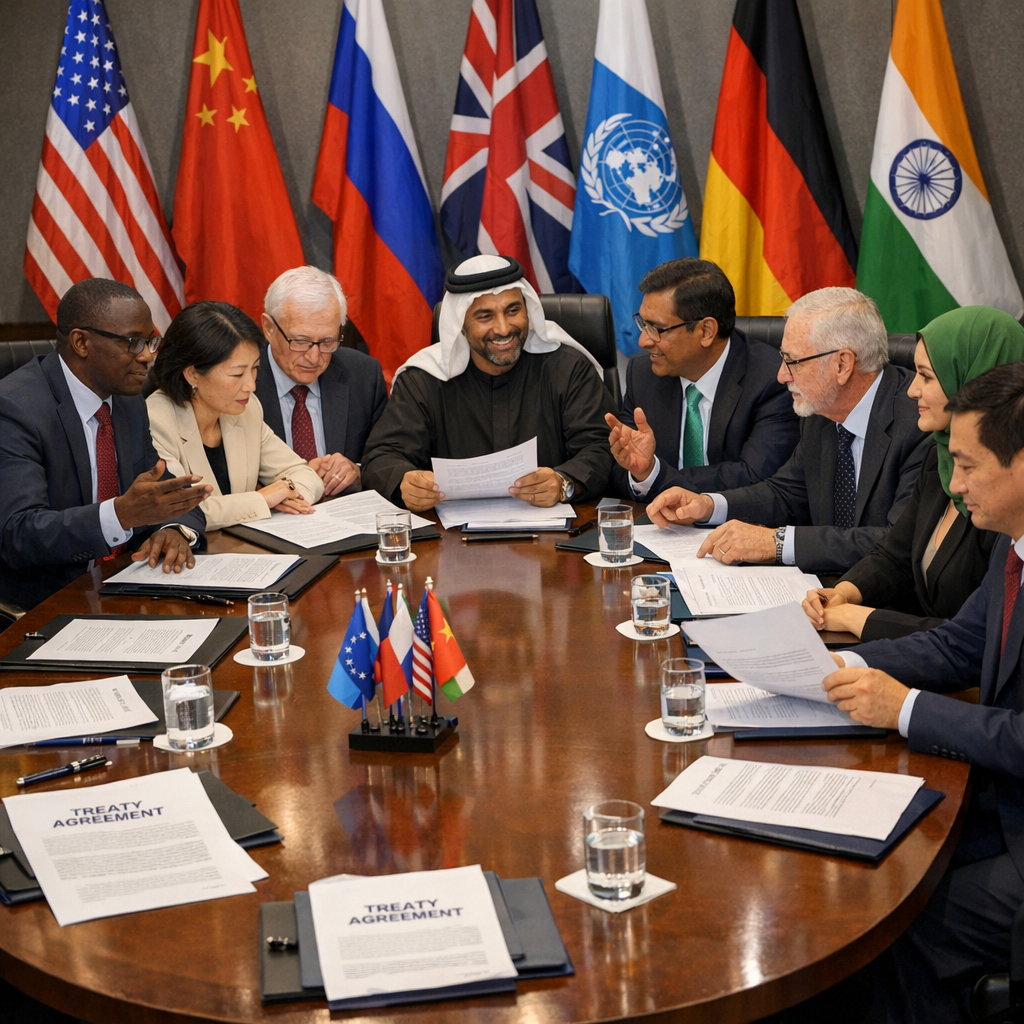
In recent years, it’s become clear that signing international treaties isn’t enough on its own to protect the planet. Across climate change, biodiversity, and pollution, we’re seeing unfulfilled promises even with broader global agreement than ever before.
The mismatch between promises and progress
Studies tracking treaties since the 1970s find that while the number of multilateral environmental agreements has grown, actual environmental improvement has not kept pace. Key indicators like greenhouse gas emissions continue rising, biodiversity goals have largely been missed, and millions still suffer from pollution-related health issues. Weak enforcement, insufficient funding, and disparities between countries are major roadblocks. Implementation and coordination often lag far behind the lofty goals laid out at negotiations. Sticking treaties on paper doesn’t guarantee concrete outcomes.
Major agreements under pressure
There are several flagship international frameworks intended to confront global environmental crises. The Paris Agreement sets targets for limiting warming well below 2°C, with efforts aimed toward 1.5°C above pre-industrial levels. The legally binding High Seas Treaty (BBNJ) entered into force after securing enough ratifications, establishing conservation and sustainability rules for marine life beyond national jurisdictions. Meanwhile, the ongoing negotiations toward a plastic pollution treaty have highlighted sharp divides: some countries seek a wide scope to include plastic production; others push for a tighter focus on waste management and recycling.
Finance, justice, and fairness remain central challenges
One of the biggest hurdles is shared but unequal responsibility. While many nations agree on environmental principles, there’s ongoing debate over who should pay—rich nations often bear far more of the cost for mitigation, adaptation, and technology transfer, but poorer countries require support to meet targets. Equally important is how transparent and inclusive treaty processes are: in many cases, vulnerable communities remain unheard, and procedural gaps undermine legitimacy.
What needs to change
Assuming agreements alone will fix the environment is risky. To close the gap between treaty ambition and real-world impact, these reforms are essential:
- Stronger enforcement and transparent compliance. Parties need clear, consistent monitoring and meaningful consequences for missing targets.
- Reliable financing mechanisms. Funding must match commitments, especially helping countries with fewer resources.
- Cross-treaty coordination. Environmental issues—climate, nature, pollution—are deeply interconnected, yet too often addressed in isolation.
- Inclusive governance. Giving voice to those most affected ensures policies are grounded in all regions’ needs—not just those of powerful countries.
Why this matters for Inver Grove Heights and beyond
Actions taken at the global level shape the world we live in locally. From extreme weather to clean air and safe waterways, international agreements affect regulations, aid programs, and investment in green infrastructure. If global governance fails to deliver, local communities will bear the cost. But local pressure—through civic engagement, public support, and holding leaders accountable—can help tip the scales toward more effective action.
In the end, treaties describe shared dreams—and fulfilling them will require steady work, fairness, and accountability from all of us.