

By Michael Williams
In recent months, Inver Grove Heights has found itself at the center of a community debate that touches on land use, environmental concerns, and how we define “growth.” The proposed data center at Carmen Avenue has stirred powerful emotions—and raised questions about who decides what’s right for our area. As someone who’s lived here for many years, I believe this issue has lessons for all of us.
What’s Going On
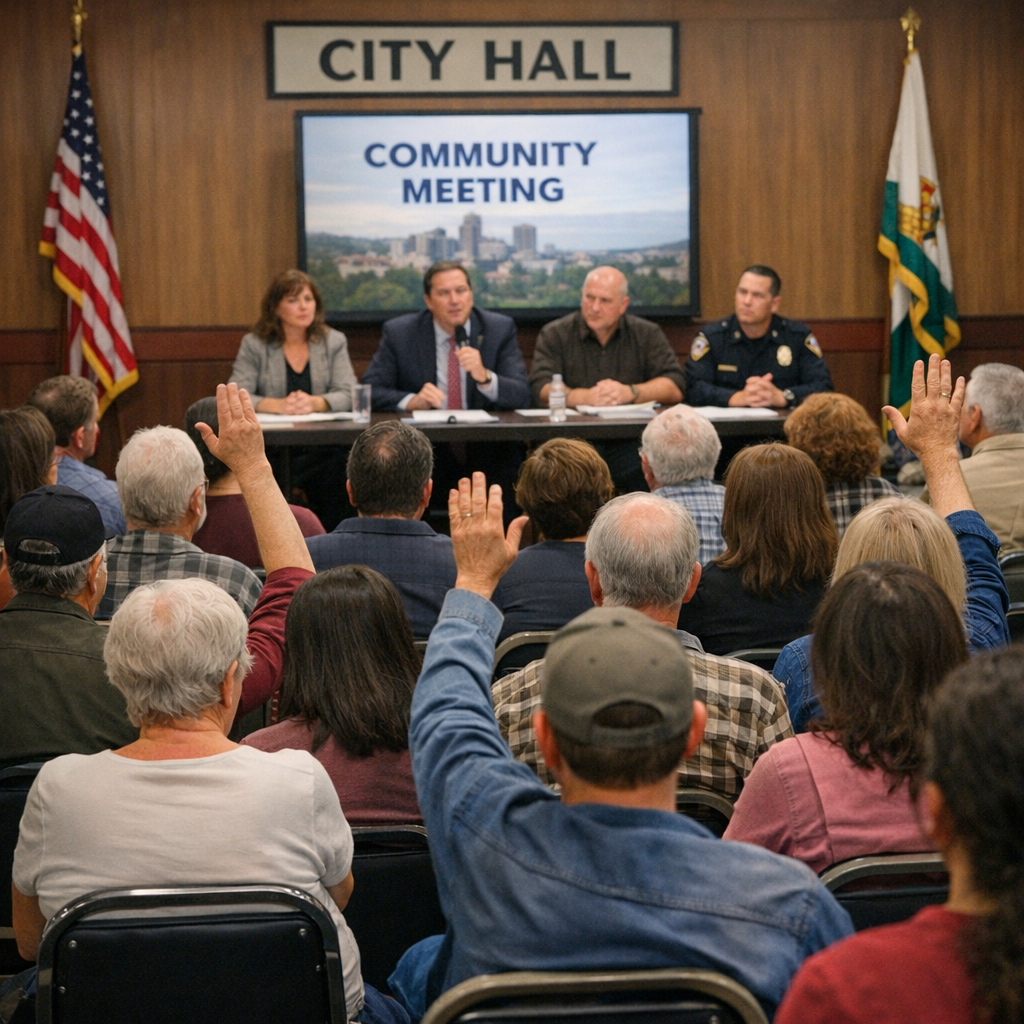
The City Council approved a temporary moratorium in June to pause data center development. Neighbors testified at meetings about potential noise, water and power usage, environmental risks, and concerns about complying with zoning and existing codes. Some residents feel city leaders haven’t fully engaged or explained decisions in a way that honors community input. Others point out that delaying developments could lead to lawsuits—and the city may face significant financial exposure.
Why It’s Resonating
IGH is a place of contrasts: rural and suburban, open spaces and commercial growth. Residents cherish the wetlands, the natural landscape, and a sense of community that feels personal. When a large facility like a data center comes forward—and especially when codes or rules haven’t been updated—it tests whether our institutions are keeping up.
Code and Transparency
One recurring concern is that city codes were written before modern data centers were part of the local landscape. That means proposed developments sometimes move fast, leaving neighbors scrambling to understand what’s happening, let alone have a say. Transparency in the permitting process and clearer guidelines could help bridge that gap.
Balancing Progress and Preservation
The city must juggle economic development, tax base growth, and providing infrastructure with preserving water quality, wildlife habitat, and residents’ quality of life. It’s a tension many growing cities face—but in IGH it’s especially acute because of how much land is still undeveloped or defined by natural features.
What Residents are Saying (and Doing)
Citizens like Kari Lundberg have stepped forward—not just to oppose a specific project, but to call for better citizen engagement. They want environmental reviews, public forums they can trust, and city officials who listen before decisions are made. These are not small asks. They’re foundational to how people feel respect and ownership of their hometown.
What We Can Learn—and What Matters Ahead
- We need modern zoning and building codes that reflect present-day technologies and community values.
- Public meetings shouldn’t just check boxes—they should actively seek input from those most affected.
- Long-term consequences—environmental, financial, social—need as much weight as short-term economic gains.
- Listening is a form of respect; that doesn’t mean every development gets blocked, but that it’s considered thoughtfully.
How You Can Be Part of the Conversation
If you live in IGH, there are concrete ways to get involved. Attend city council meetings, review proposed ordinances, share your concerns or questions—especially in writing. Ask how environmental reviews are conducted. Talk with your neighbors. Stay informed on how decisions are made—and who’s making them. As much as official channels matter, grassroots voices often shift the course of a project.
This debate over the data center isn’t just about one building. It’s about how we move forward as a city. About keeping our heritage, our natural surroundings and our fellow residents in mind while we grow. Because growth without roots doesn’t last.