

By Liam Anderson
Across the country, several long-running stories are converging—economic uncertainty, Supreme Court decisions, and a fast-approaching midterm election are all redefining what voters and leaders alike view as the top priorities for the nation.
Economy: Modest Gains, Lingering Strain
Recent data paints a complex picture. Disposable income has risen, and some areas of the economy—particularly business investment—are holding up, but inflation remains a persistent concern. Core inflation (which removes volatile food and energy costs) has stopped rising sharply, yet overall consumer confidence is shaky. Meanwhile, essential expenses like housing, energy, and groceries still stretch many households’ budgets.
Budget, Growth, and Government Spending
U.S. fiscal policy is under stress: the federal deficit continues to grow, and public debt is rising. Growth has been positive but mild—some sectors flourish, others lag, especially housing and interest-rate sensitive industries. Experts warn that ongoing uncertainty—on inflation, global supply chains, and policy direction—is keeping many businesses and consumers on edge.
Key Supreme Court Rulings: Rights, Power, and Citizenship
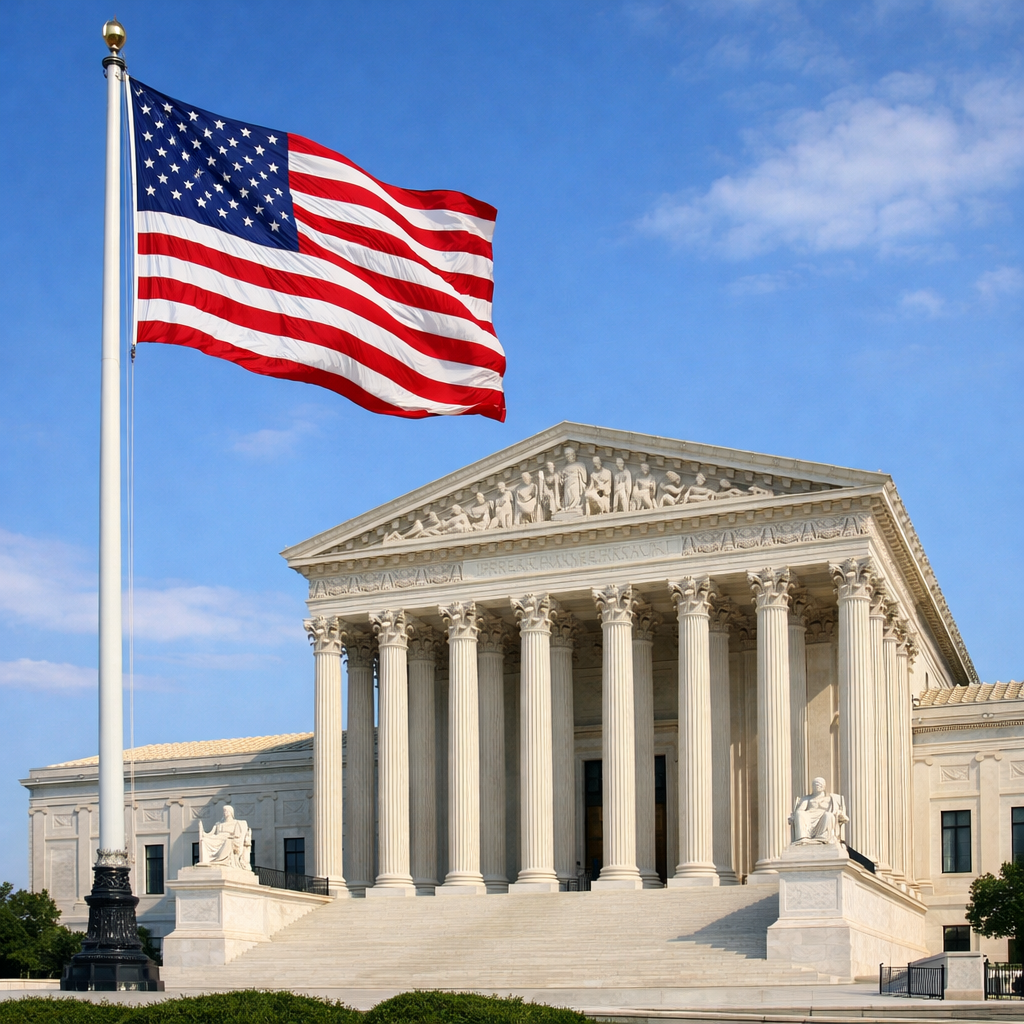
The Supreme Court’s recent term brought both expansions and limits to executive authority. On several fronts—immigration, presidential power, electoral law—the court tilted towards conservative interpretations, such as supporting greater federal influence over regulatory agencies. But in other pivotal cases, expectations of sweeping changes were scaled back.
One high-profile example: the court rejected an executive order aimed at undermining birthright citizenship, reaffirming that children born in the U.S. to parents who are in the country illegally remain citizens. Other decisions addressed campaign finance rules, agency independence, and due process protections—each having broad implications for how federal power operates. Public trust in the Supreme Court has taken a hit amid growing concern it is acting more on ideology than legal principles.
2026 Midterms: What’s at Stake and Where Things Stand
With midterm elections just months away, both parties are sharpening their messages. For Republicans, the focus is on defending economic gains they credit to their policies—job growth, business strength, and inflation that, while still high, has eased slightly in certain core measures. For Democrats, the messaging turns to affordability: the high cost of living, healthcare access, and procedural fairness in elections.
Voter turnout, election integrity, and mail-in voting have become intensively debated issues. Courts are navigating battles over laws and executive orders that could reshape how people vote—when, how, and by what methods. These debates may determine not only who wins in November, but how the country handles elections going forward.
Takeaway for Inver Grove Heights
What’s happening nationally matters locally. Rising prices can hit household budgets here in Dakota County. Court rulings might change what state officials must do when federal laws are at odds with constitutional protections. And as politics get more polarized, community engagement becomes ever more relevant.
Whatever your views, being informed—and voting—are more important than ever. Understanding how national shifts affect local realities helps ensure communities like ours steer toward stability, fairness, and opportunity.