

By Olivia Johnson
From rising global temperatures to breathtaking gains in clean energy, the world is in the midst of seismic shifts. These developments reach far beyond distant headlines—they influence weather, economy, and even everyday life in Inver Grove Heights and communities across the world.
El Niño’s Growing Power and Climate Disruptions
El Niño, a cyclical climate pattern known for warming Pacific waters, is growing stronger due to human-driven climate change. Studies show the phenomenon is now over 36% more intense than before the Industrial Revolution, with 16% of that increase occurring in just the past 40 years. This intensification is pushing global temperatures higher and compounding climate impacts. These shifts translate into hotter summers, more severe rainfall, and increased droughts—events that many regions already struggle with. Scientists warn that the effects are only going to become more extreme.
Droughts, Floods, and ‘Bigger Shocks’
Recent United Nations talks revealed a growing drought crisis, with member states unable to agree on a legally binding global drought agreement—one that might be revisited in future sessions. Meanwhile, average sea surface temperatures have hit record highs, driven by both human activity and El Niño. The result: oceans under unprecedented strain, contributing to marine heatwaves, coral bleaching, and shifting weather patterns. Communities everywhere should be preparing—not just for isolated events, but overlapping crises: heat plus drought plus flood.
Clean Energy’s Fastest Growth Yet
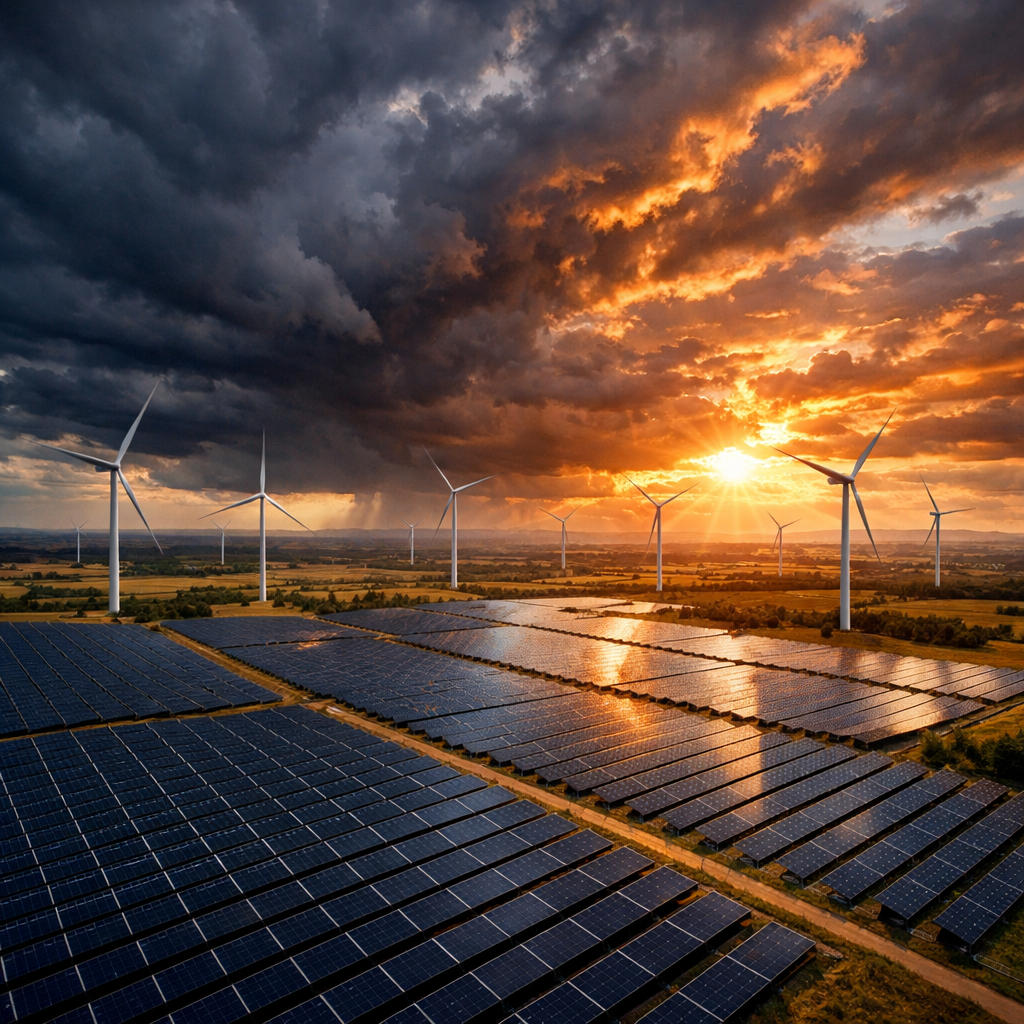
It’s not all doom and gloom: renewal is happening. Renewable electricity generation surged by nearly 10% in 2024—one of the fastest year-to-year jumps ever recorded. Renewables now make up about 31.7% of global electricity production. Solar and wind account for almost all new capacity added around the world. It’s especially striking: developing countries are expanding renewable capacity more quickly than wealthy nations, signaling a shift in who’s driving the global clean energy transition.
Why These Trends Matter Locally
In Inver Grove Heights, changes like warmer summer peaks, heavy rainfall, or shifts in energy prices aren’t abstract—they’re things neighbors may experience. Increased demand for cooling or stormwater infrastructure, higher insurance costs, and shifting agricultural conditions all trace back to global trends. On the energy front, the push toward renewables could bring changes in policy, incentives, and local investment, like more solar panels, electrification in transportation, or community-scale energy projects.
Looking Ahead
To prepare, communities should watch global climate reports and energy forecasts—paying attention to risks and opportunities. Adaptation planning, resilient infrastructure, and supportive energy policies can help. While individuals can reduce energy use or support cleaner options, broader systems—local government, utilities, state leadership—will play a decisive role.
In a world where climate risk amplifies and clean energy accelerates, what happens globally ends up deeply local. The era of waiting is over: almost everything is now in motion.