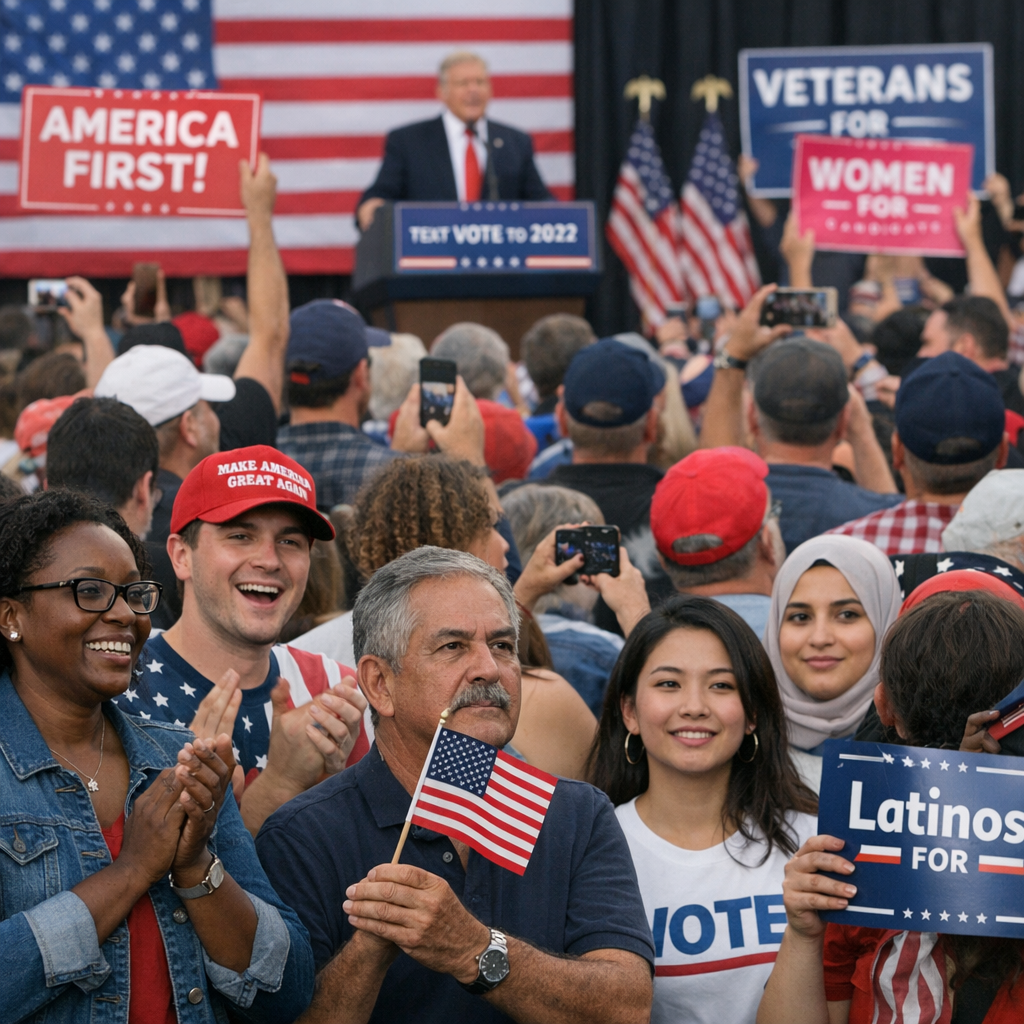
As the United States approaches the 2026 midterm elections, the political and economic environment remains dynamic, with several significant developments shaping the national discourse.
Political Developments
Redistricting Efforts
Across the nation, redistricting battles are intensifying. In Florida, Governor Ron DeSantis has proposed new congressional maps that could potentially reduce Democratic representation in the House. Conversely, Virginia voters have narrowly approved a Democratic-led redistricting plan, posing challenges for several Republican incumbents. These efforts underscore the strategic importance both parties place on redistricting as a tool to influence electoral outcomes.
Election Security Concerns
President Donald Trump has recently raised questions about the integrity of U.S. elections, advocating for more restrictive voting laws. In a primetime address, he emphasized perceived vulnerabilities in the election system, though the evidence provided has been a topic of debate. This rhetoric has intensified discussions on election security and the balance between accessibility and integrity in the voting process.
Economic Indicators
Trade and Tariffs
The Trump administration’s trade policies have faced legal challenges. The Supreme Court recently struck down some of the broadest tariff measures implemented by the administration. Despite this setback, the administration continues to maintain a firm stance on trade, leading to ongoing debates about the impact of tariffs on the domestic economy and international relations.
Economic Growth
The U.S. economy has shown mixed signals. In the first quarter of 2025, economic growth was negative 0.5%, attributed in part to businesses accelerating imports ahead of anticipated tariffs. However, subsequent quarters saw a rebound, with the third quarter experiencing a 4.3% growth rate, the fastest in two years. These fluctuations highlight the complex interplay between trade policies and economic performance.
Implications for Inver Grove Heights
For residents of Inver Grove Heights, Minnesota, these national developments have tangible local implications. Redistricting efforts in other states may influence national political dynamics, potentially affecting federal policies that impact our community. Economic policies, particularly those related to trade and tariffs, can have cascading effects on local businesses and employment opportunities. Staying informed about these issues is crucial for understanding how broader national trends may influence our local economy and political representation.
As we navigate these evolving landscapes, it is essential to engage in informed discussions and participate actively in the democratic process to ensure that our community’s interests are effectively represented.